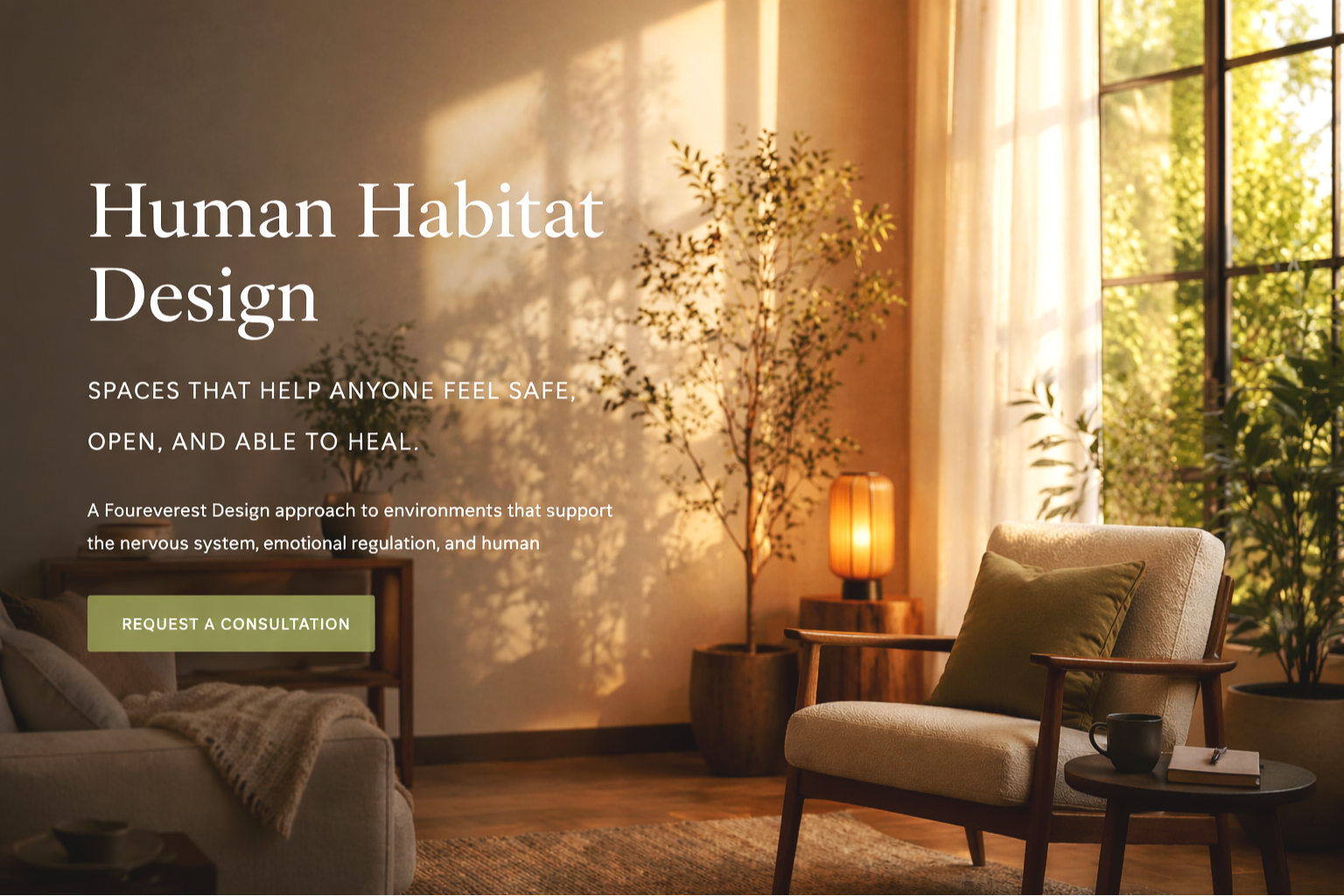
The spaces we live and work in shape how we feel, think, and connect — often without us realizing it. Most spaces are designed to look good.
Very few are designed to support how life is actually lived. At Four Everest Design, we approach spaces through Human Habitat Design — the intentional shaping of environments to support how you move, think, rest, and connect.
Because every space is in relationship with your nervous system.
It can calm it… or keep it activated.
It can support clarity… or create subtle overwhelm.
When done well, the space doesn’t just sit in the background —
it becomes part of how your life works.
Human Habitat Design is the intentional shaping of environments to support the way a human being actually lives, feels, and functions.
Most spaces are created for appearance, efficiency, or trend.
Very few are created with an understanding that the body is constantly responding — to light, to proportion, to material, to openness, to subtle signals of safety or tension.
Every environment is in relationship with the nervous system.
It can soften it… or keep it guarded.
It can create clarity… or quiet overwhelm.
It can invite connection… or reinforce distance.
Human Habitat Design begins there.
It considers how a space influences:
emotional regulation
presence and focus
a sense of grounding and safety
the ability to open, connect, and think clearly
When these elements are aligned, the space no longer sits in the background.
It becomes supportive.
It becomes felt.
It becomes part of the experience itself.
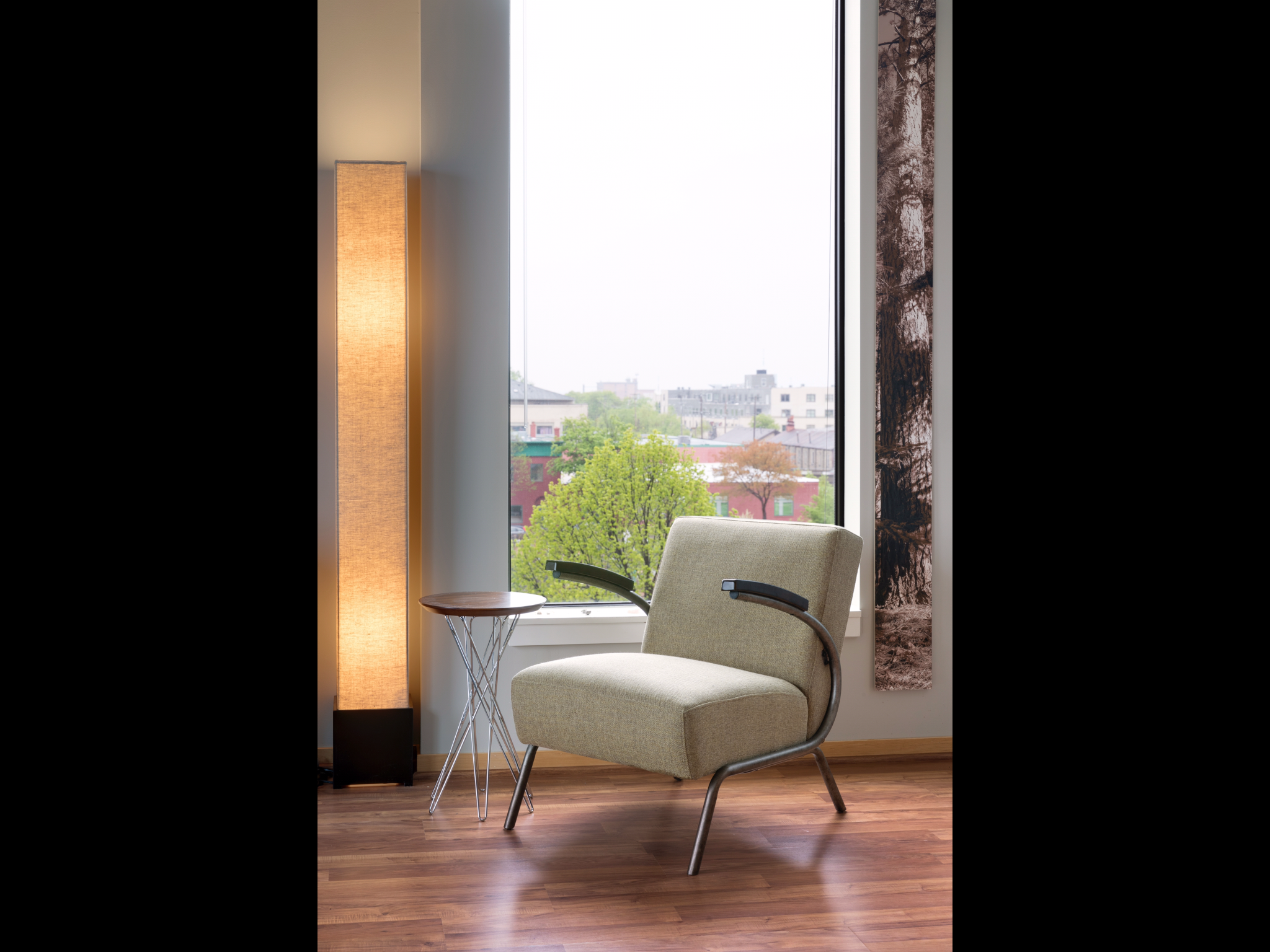
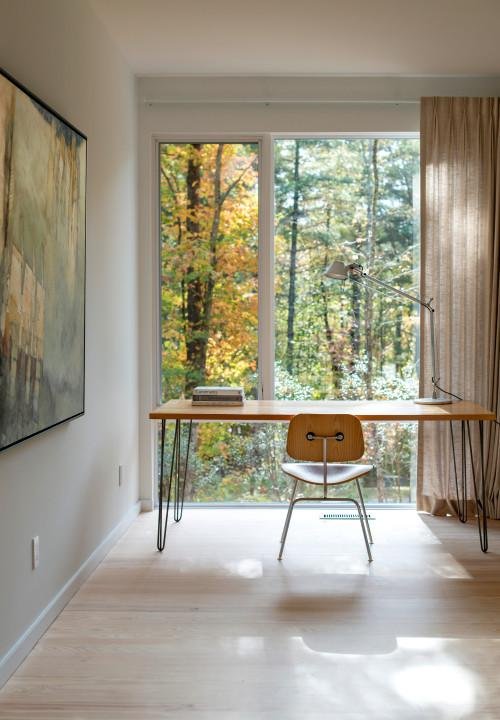
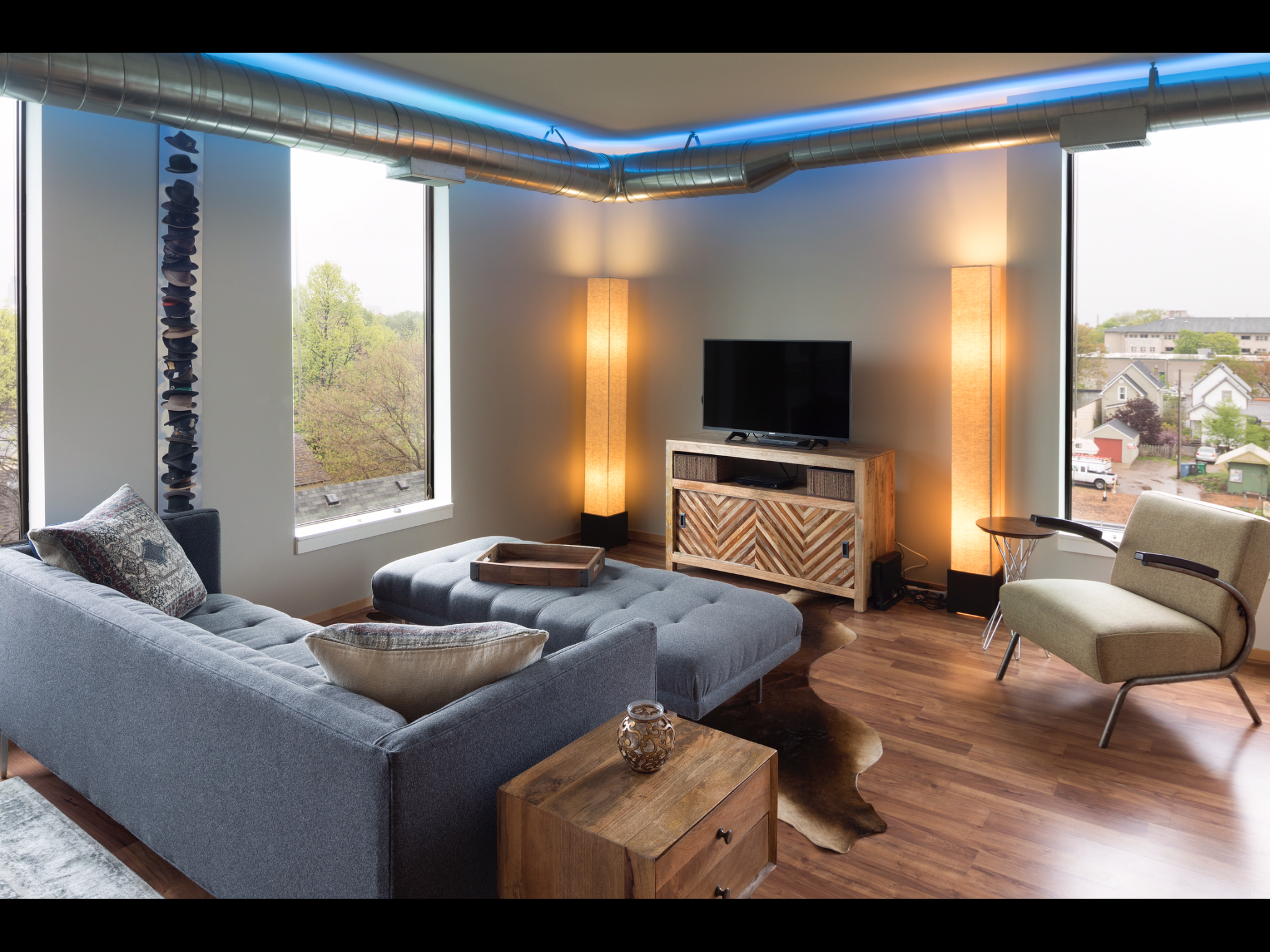
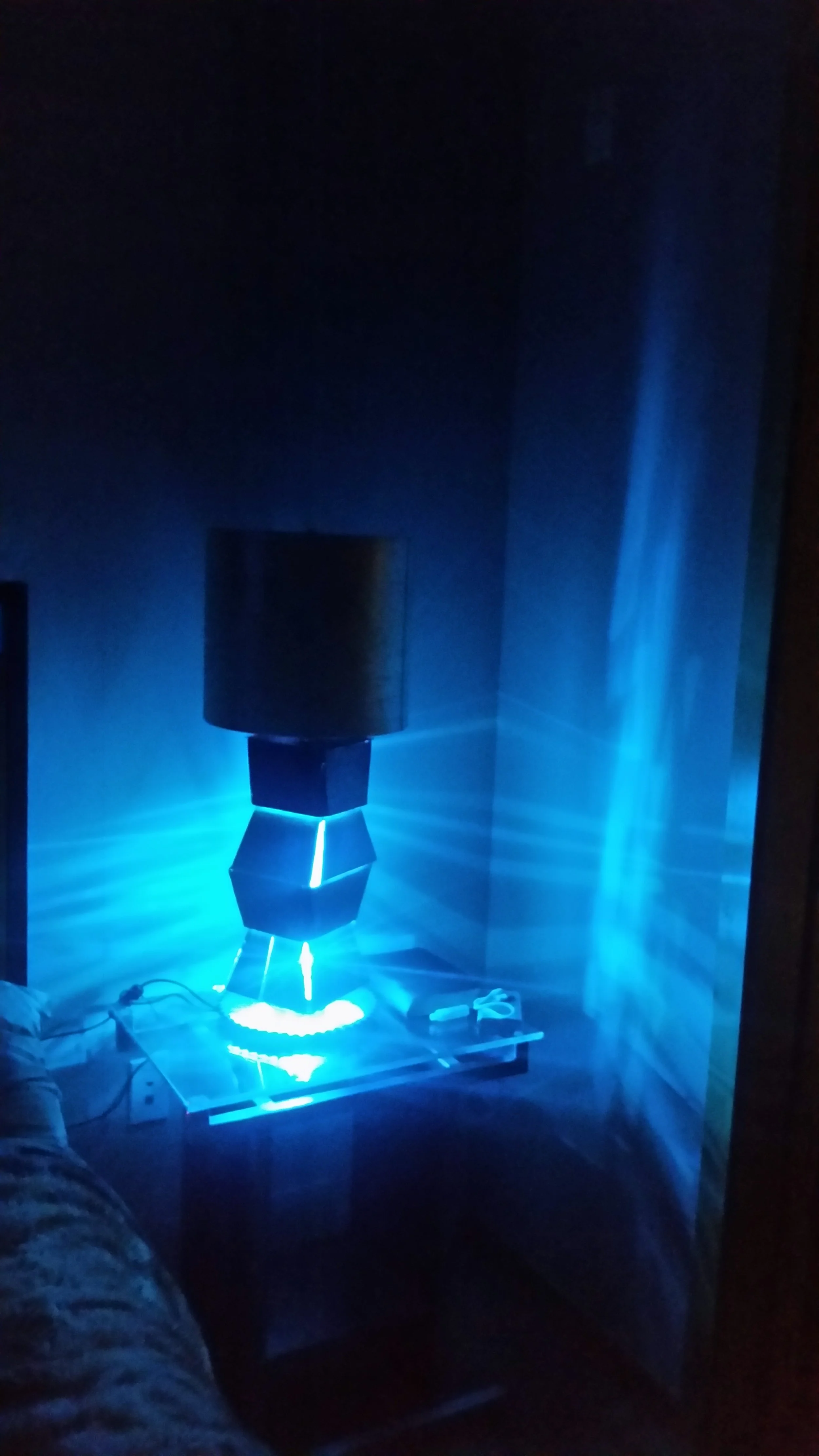
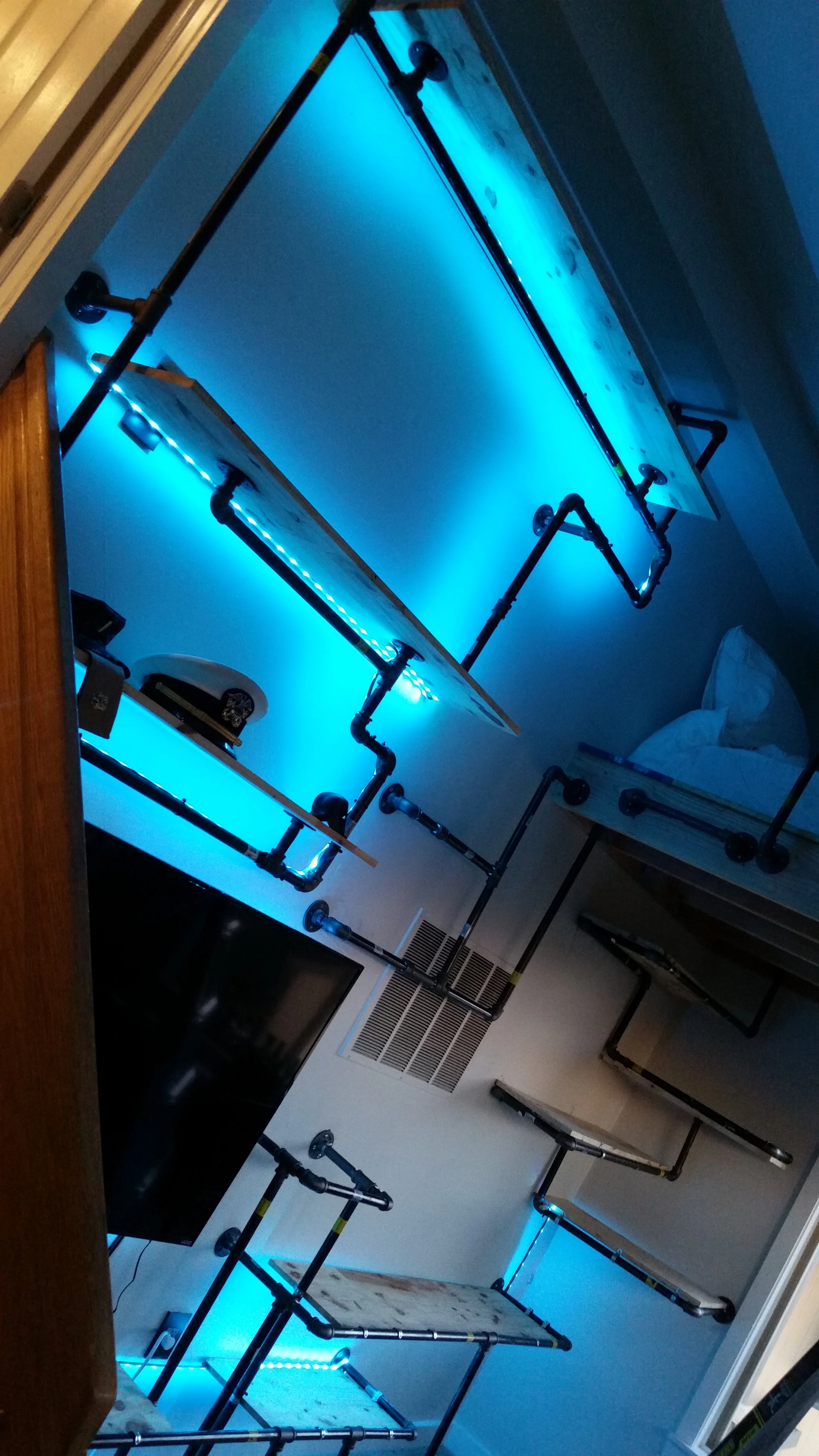
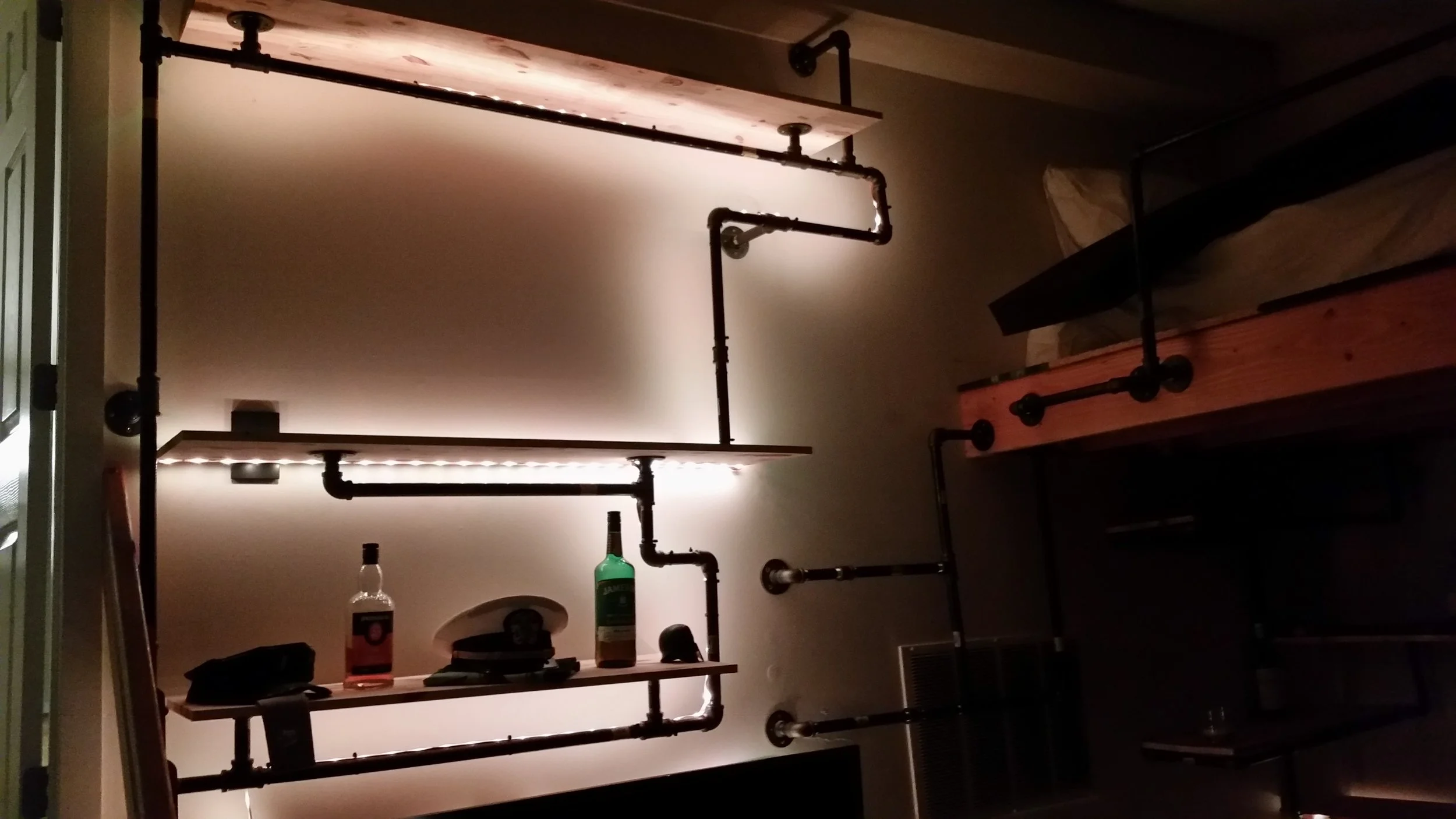
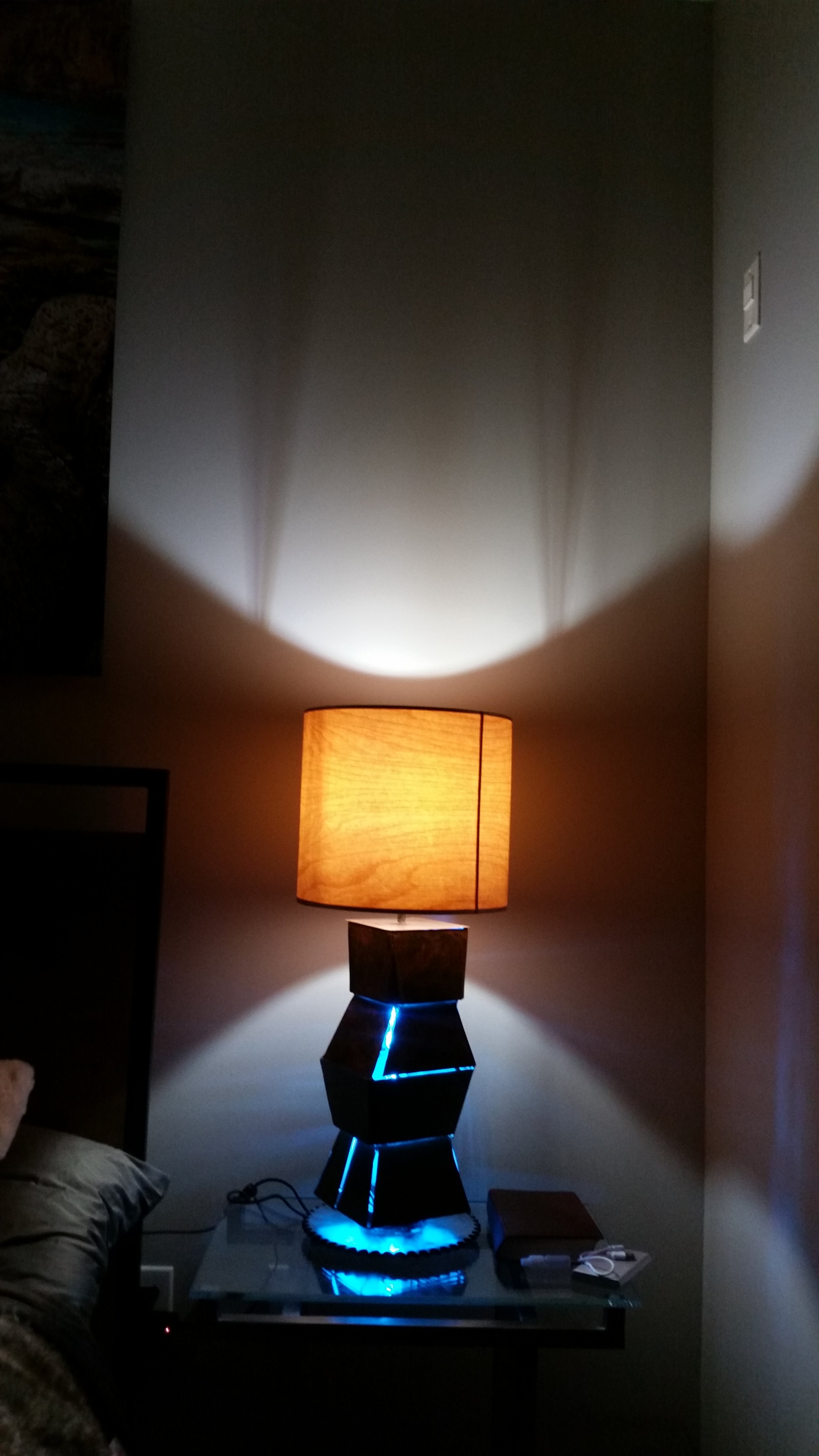
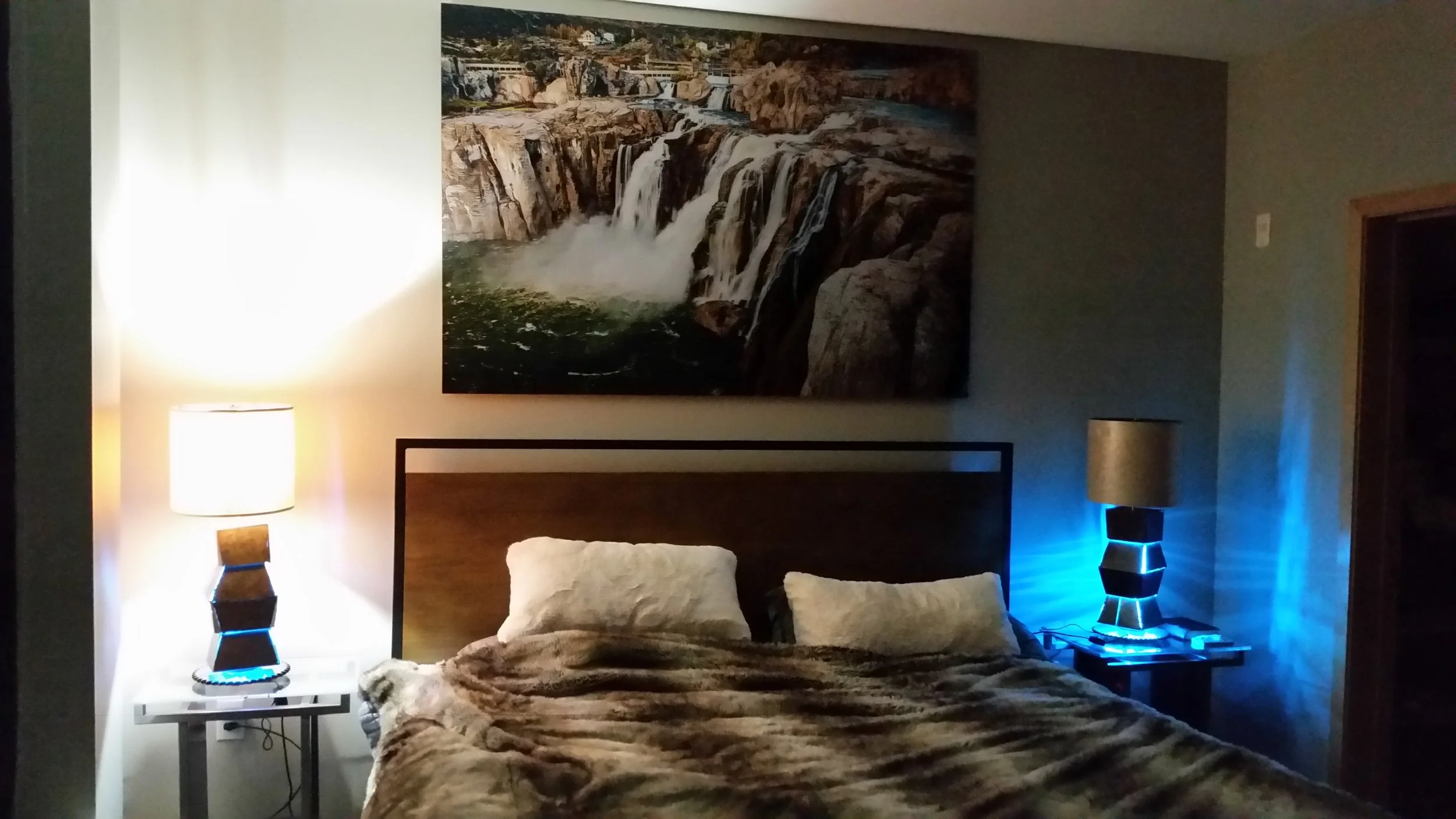
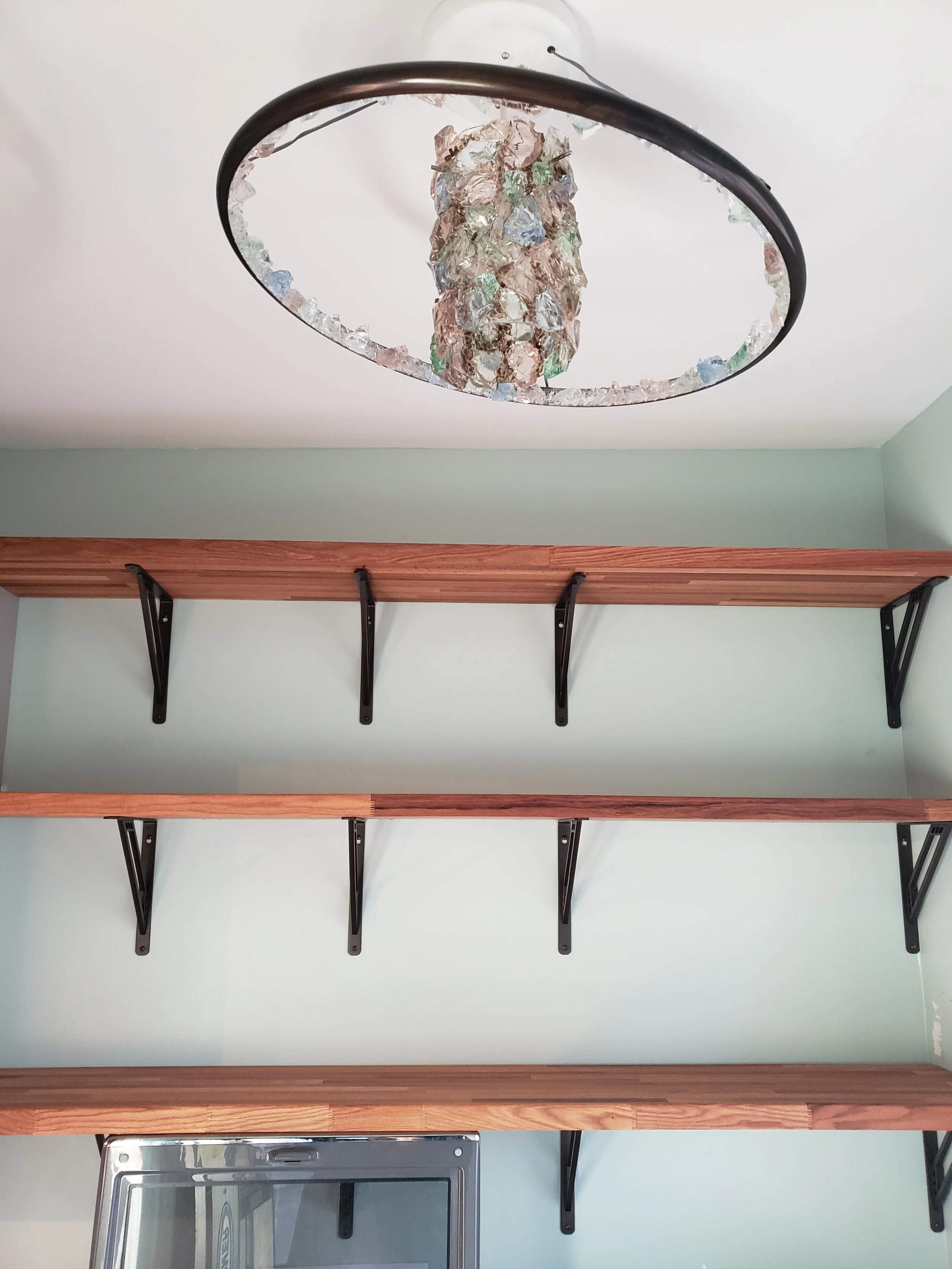
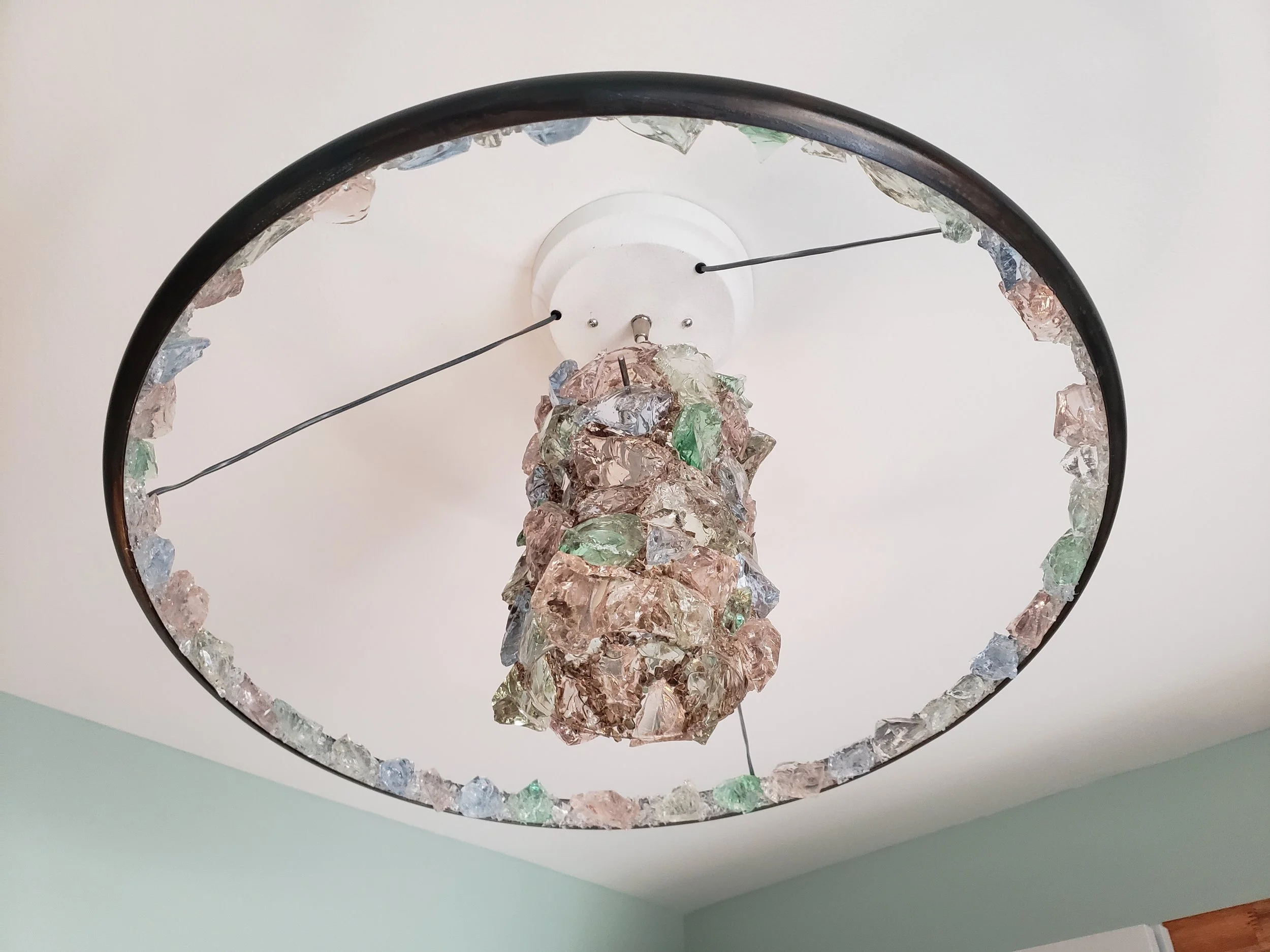
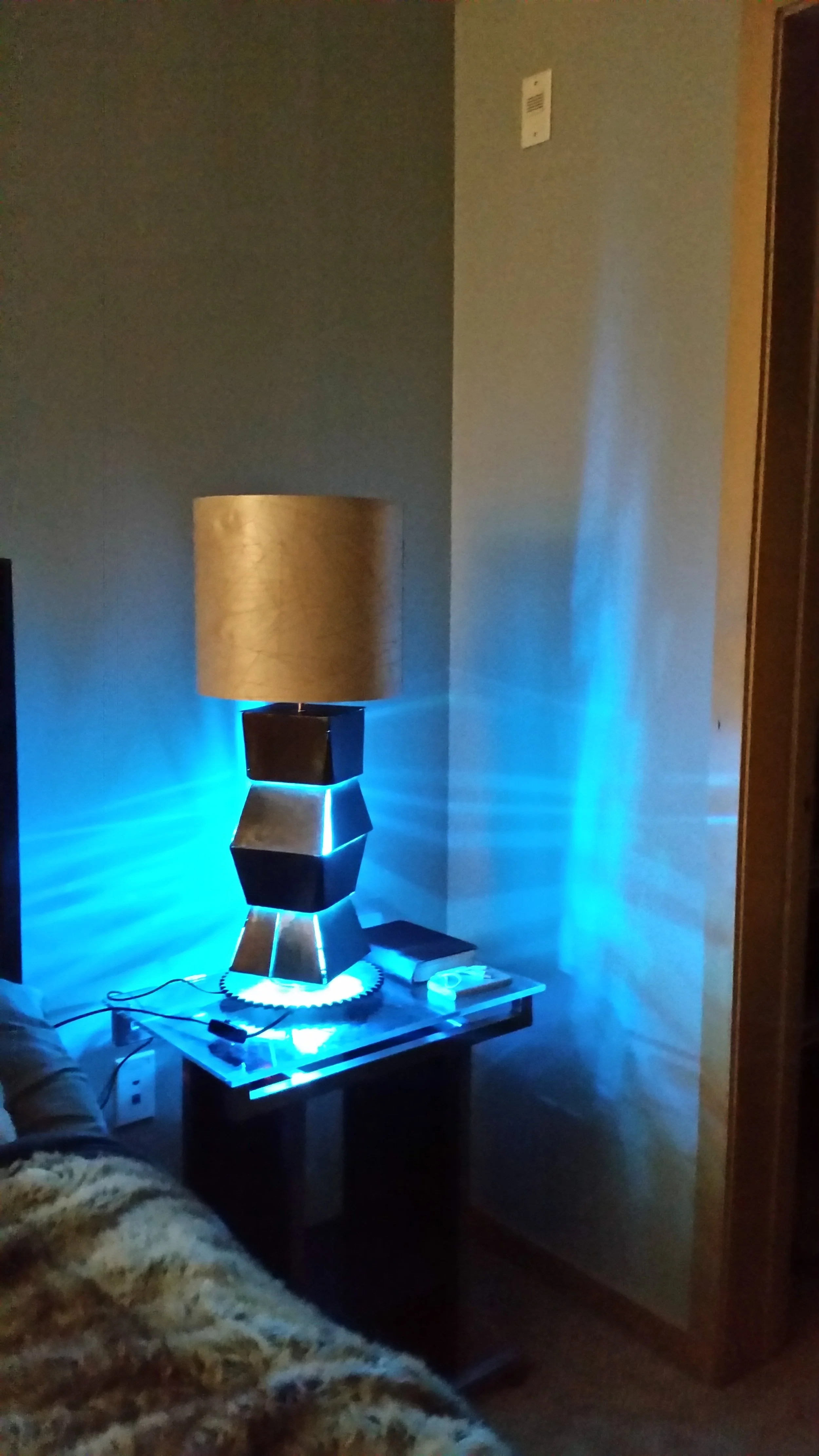
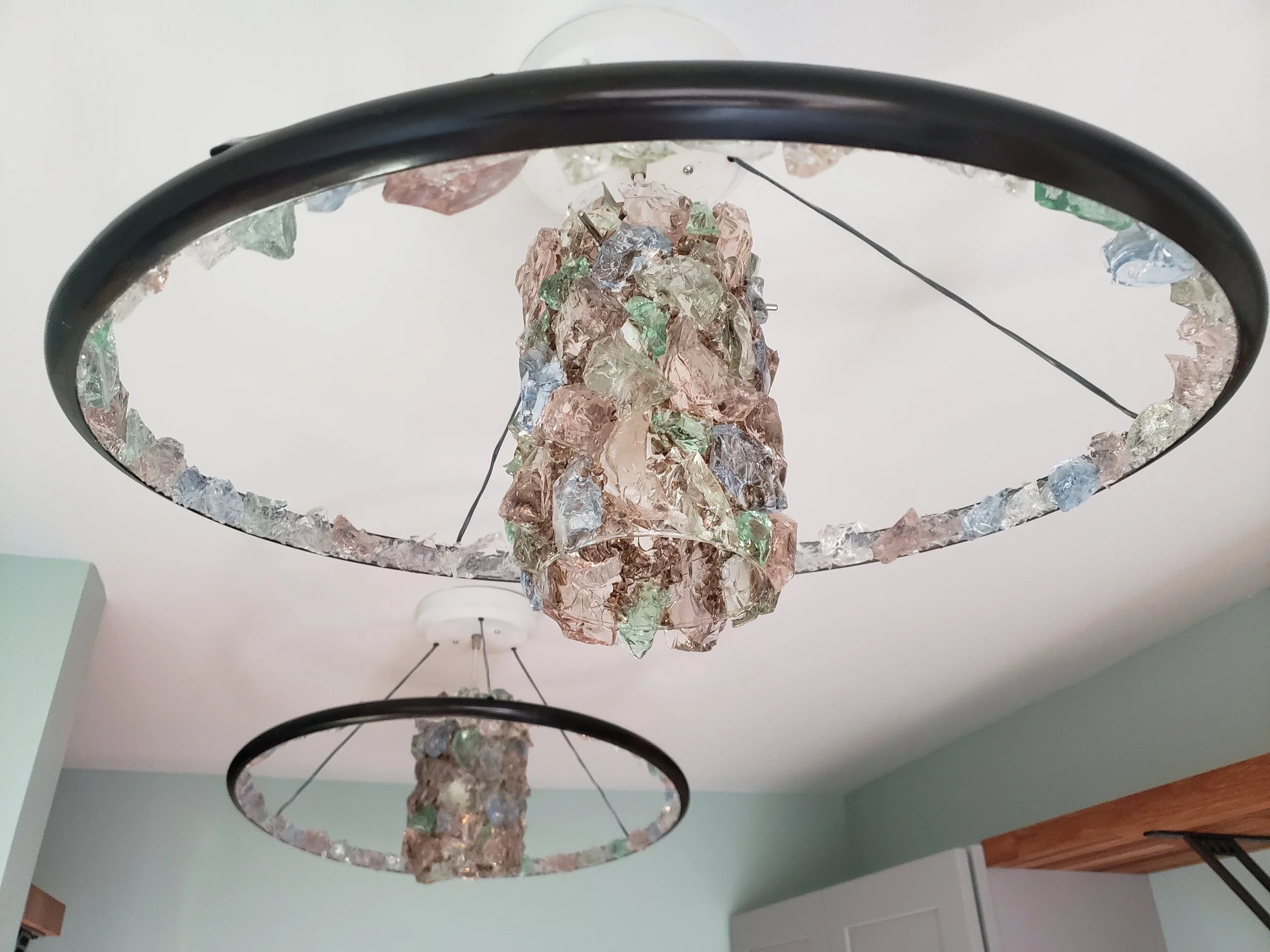
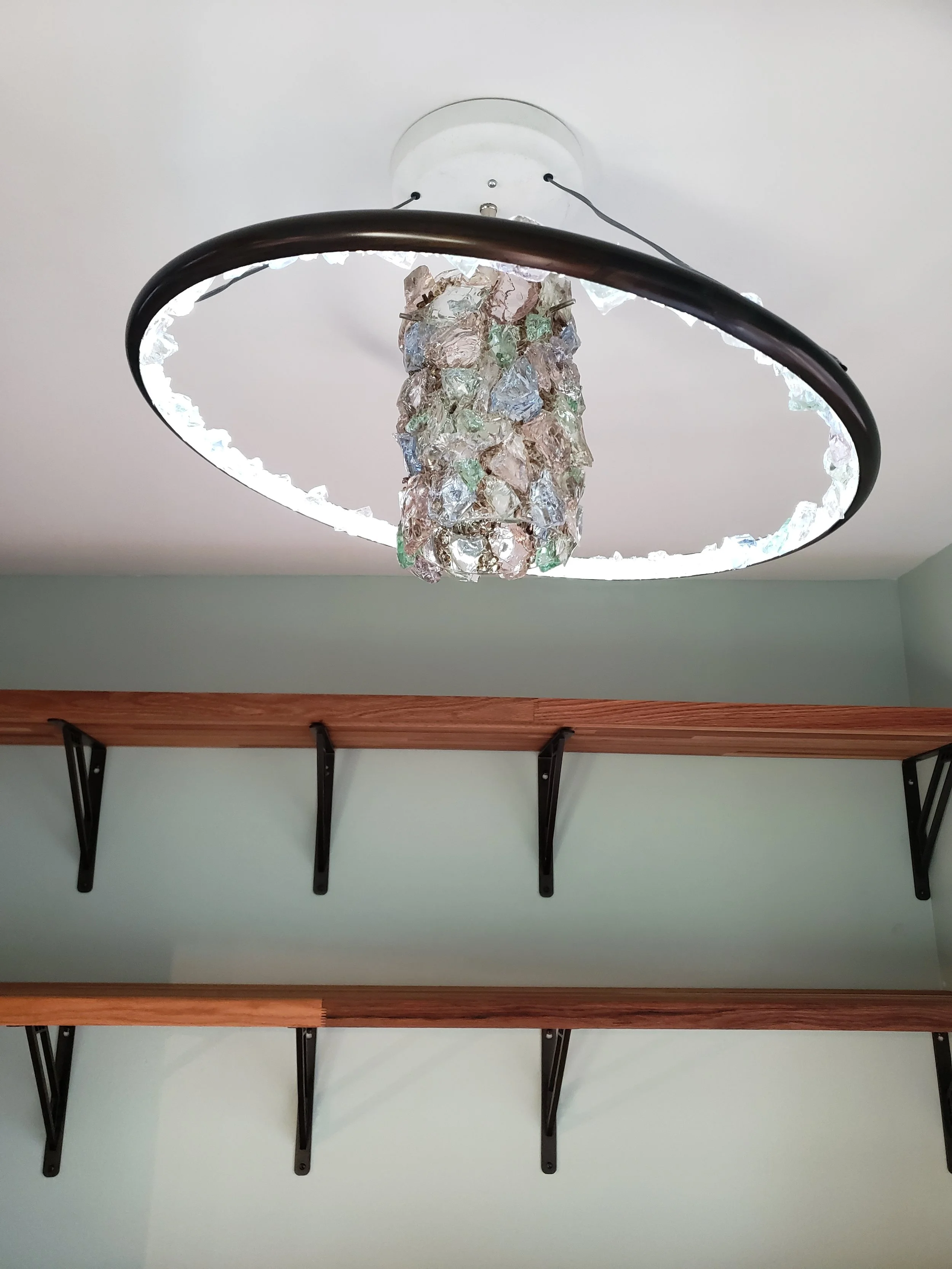
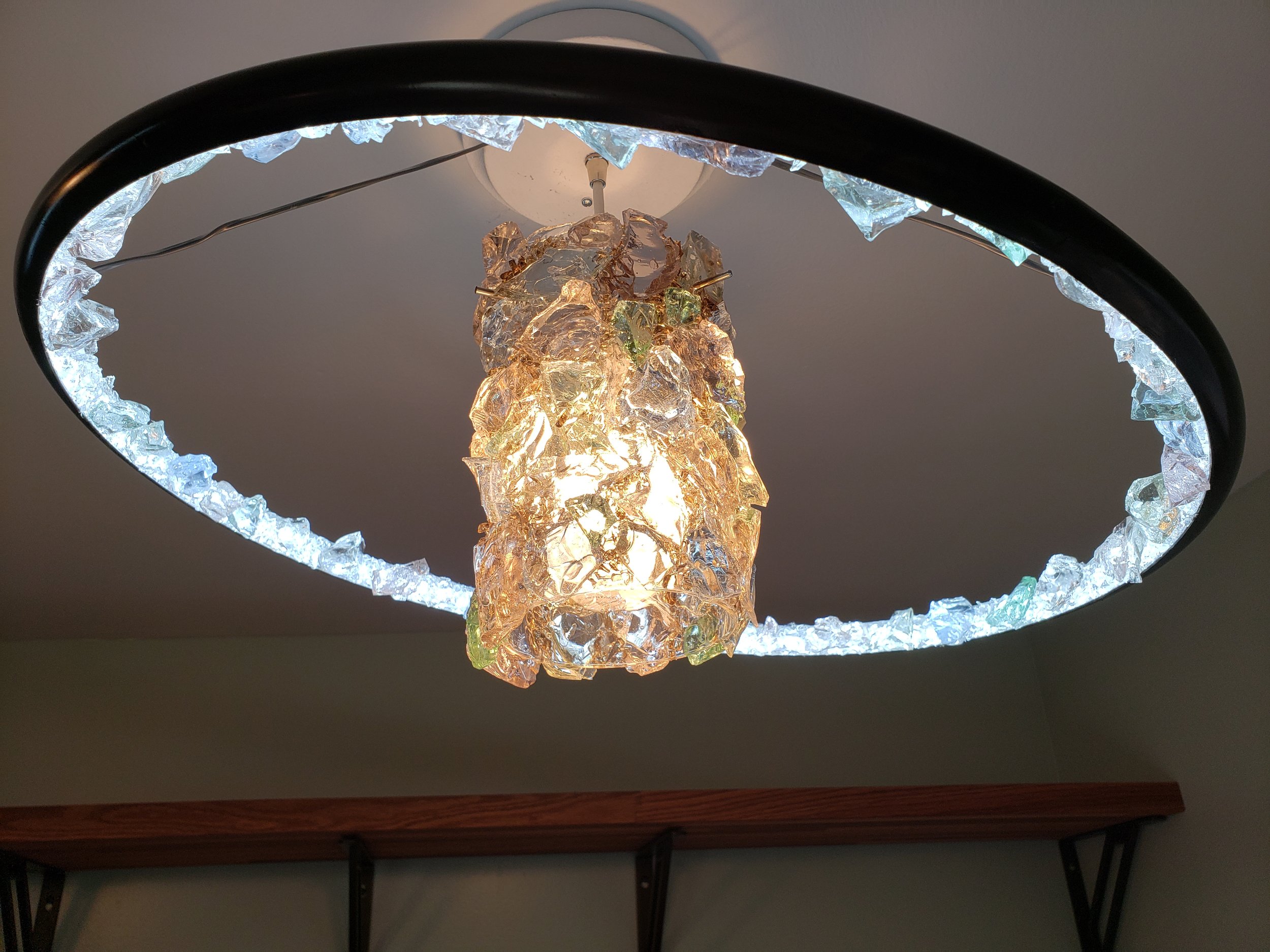
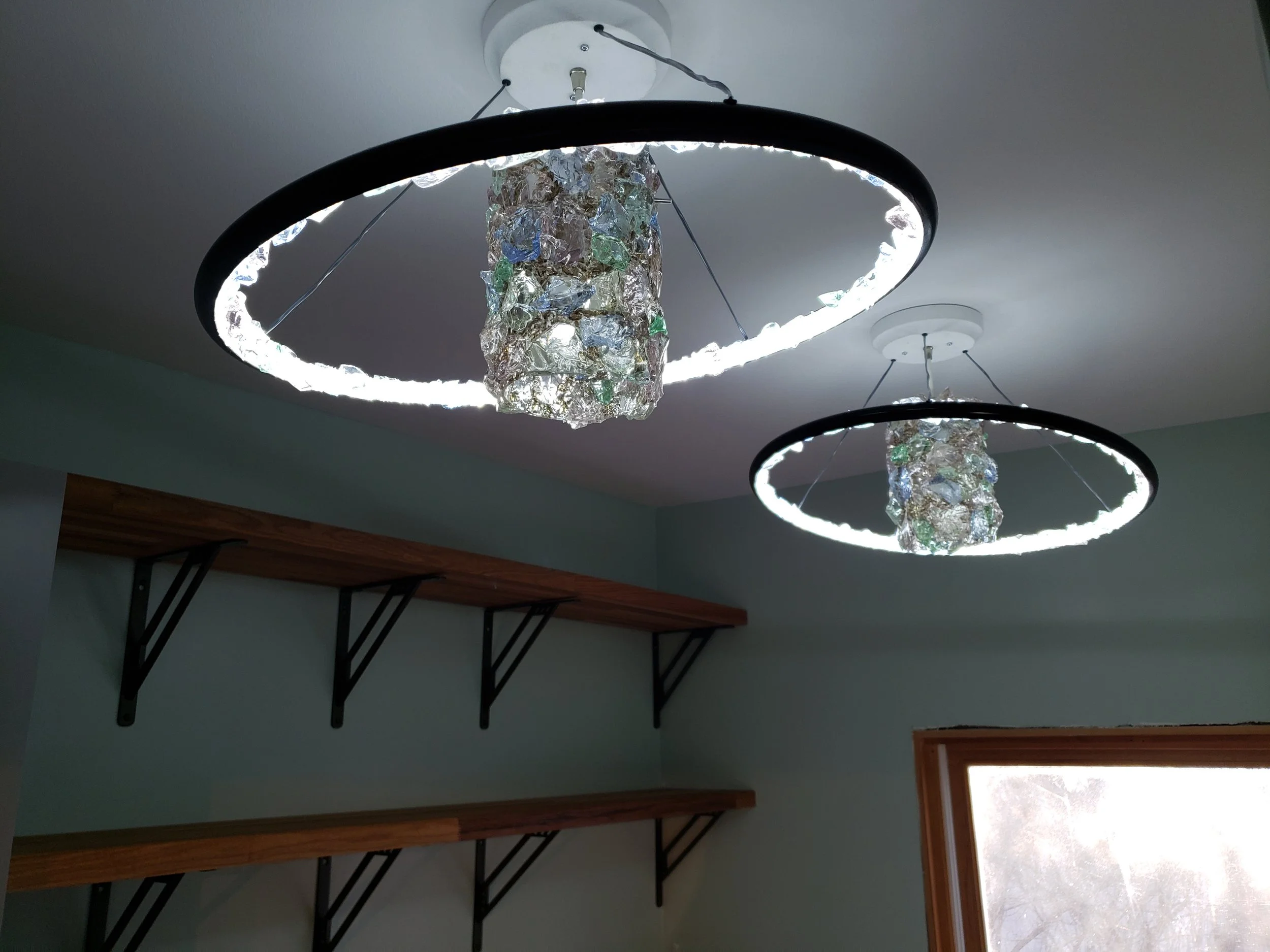
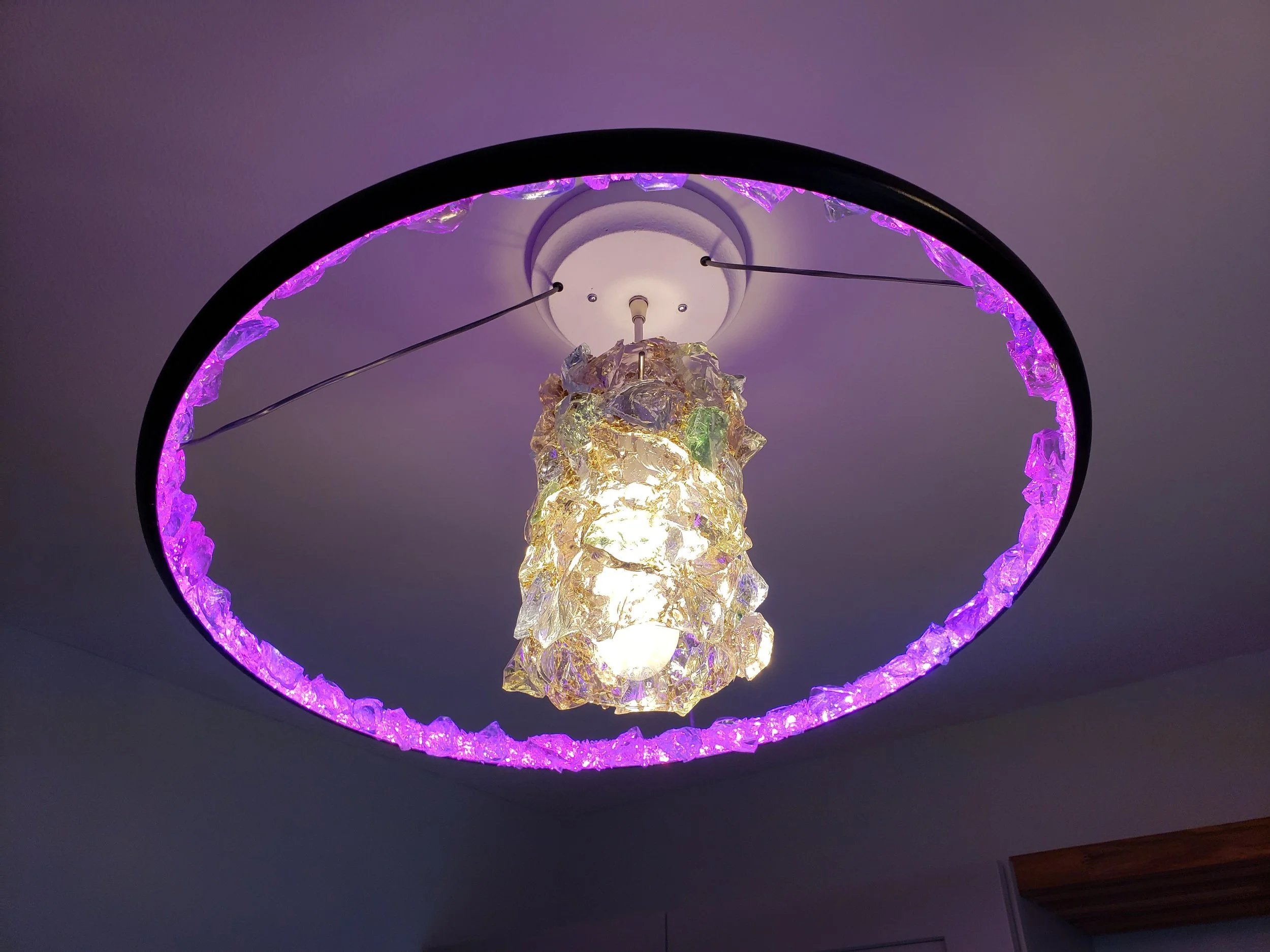
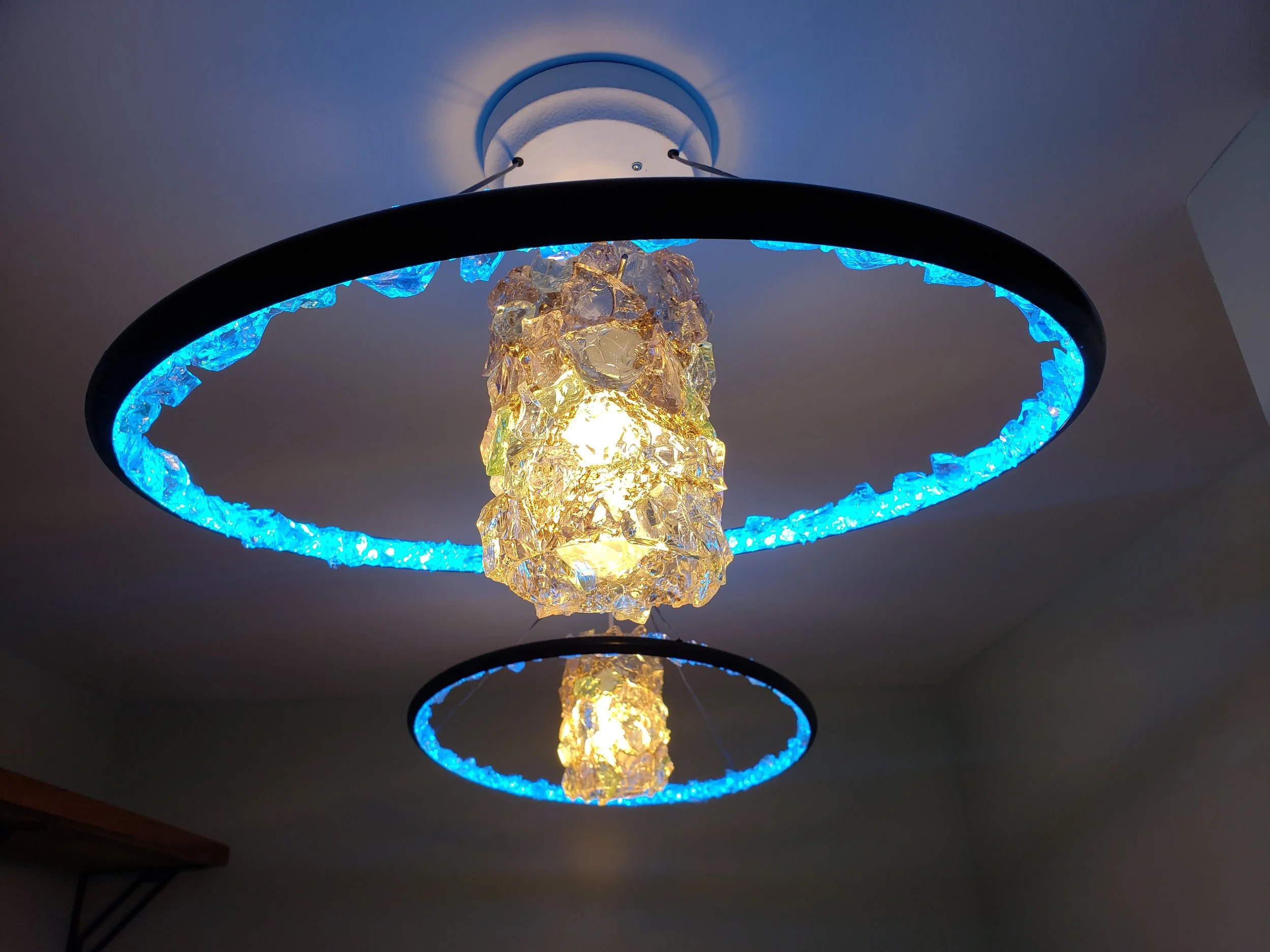
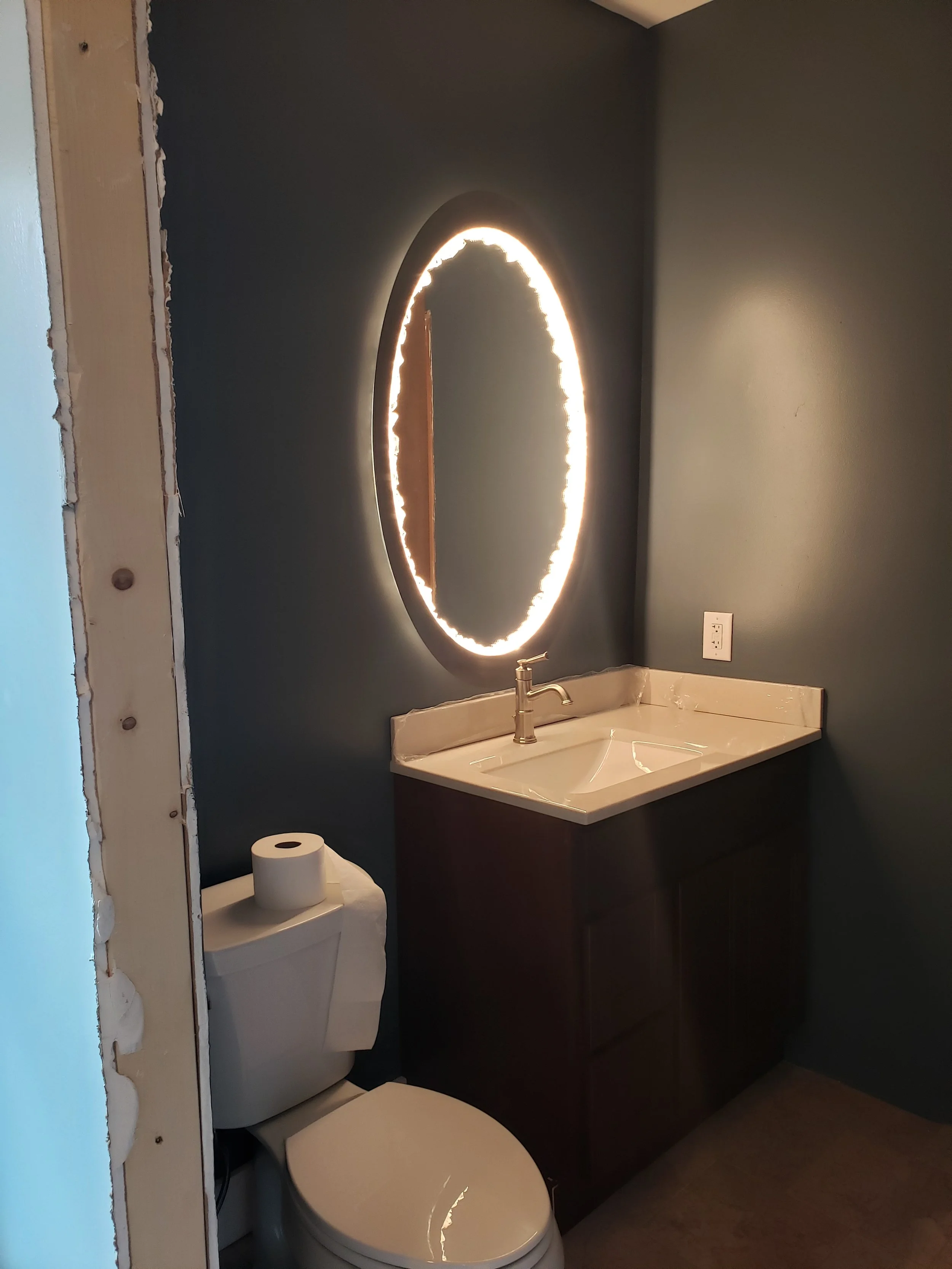
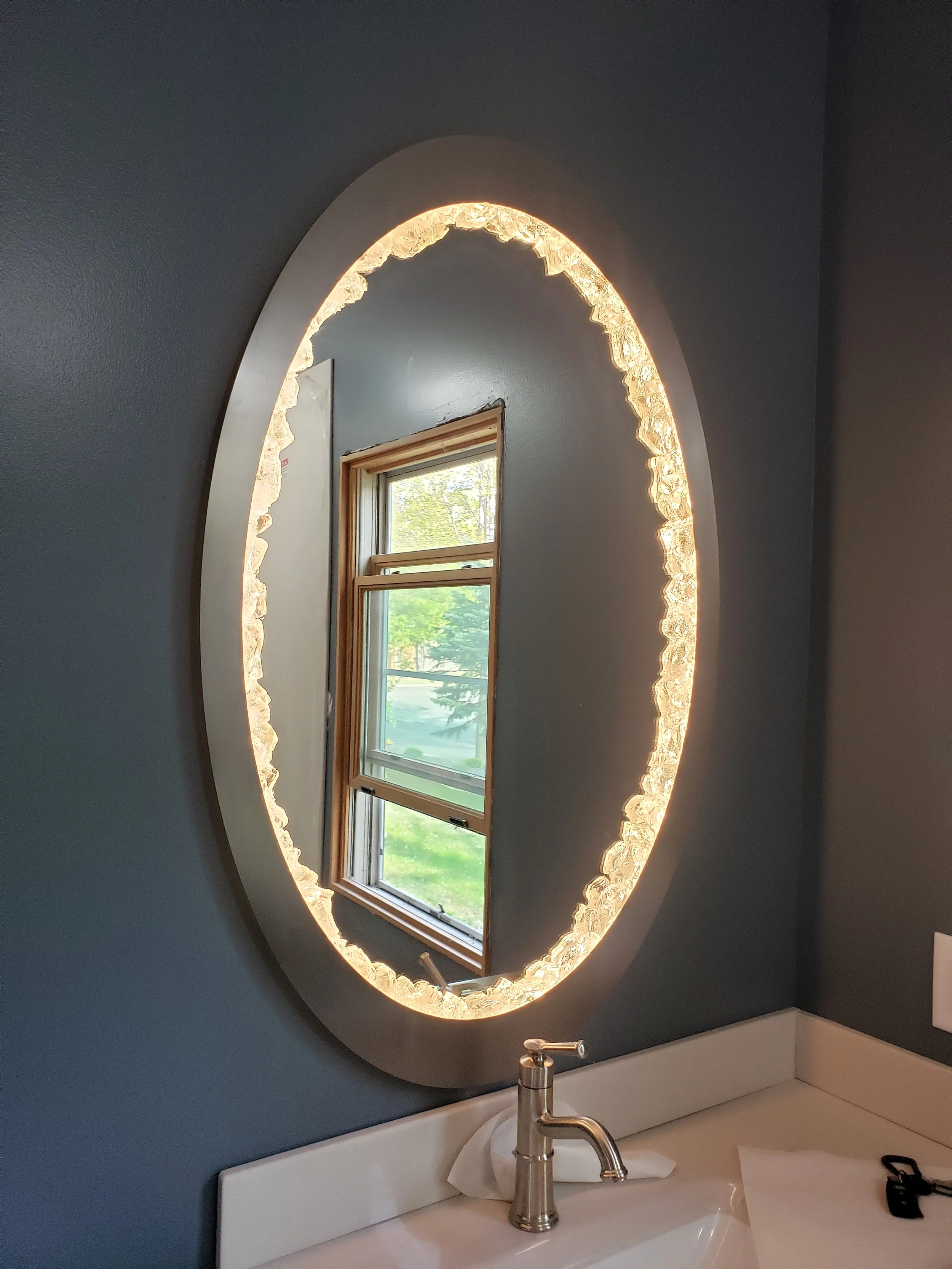
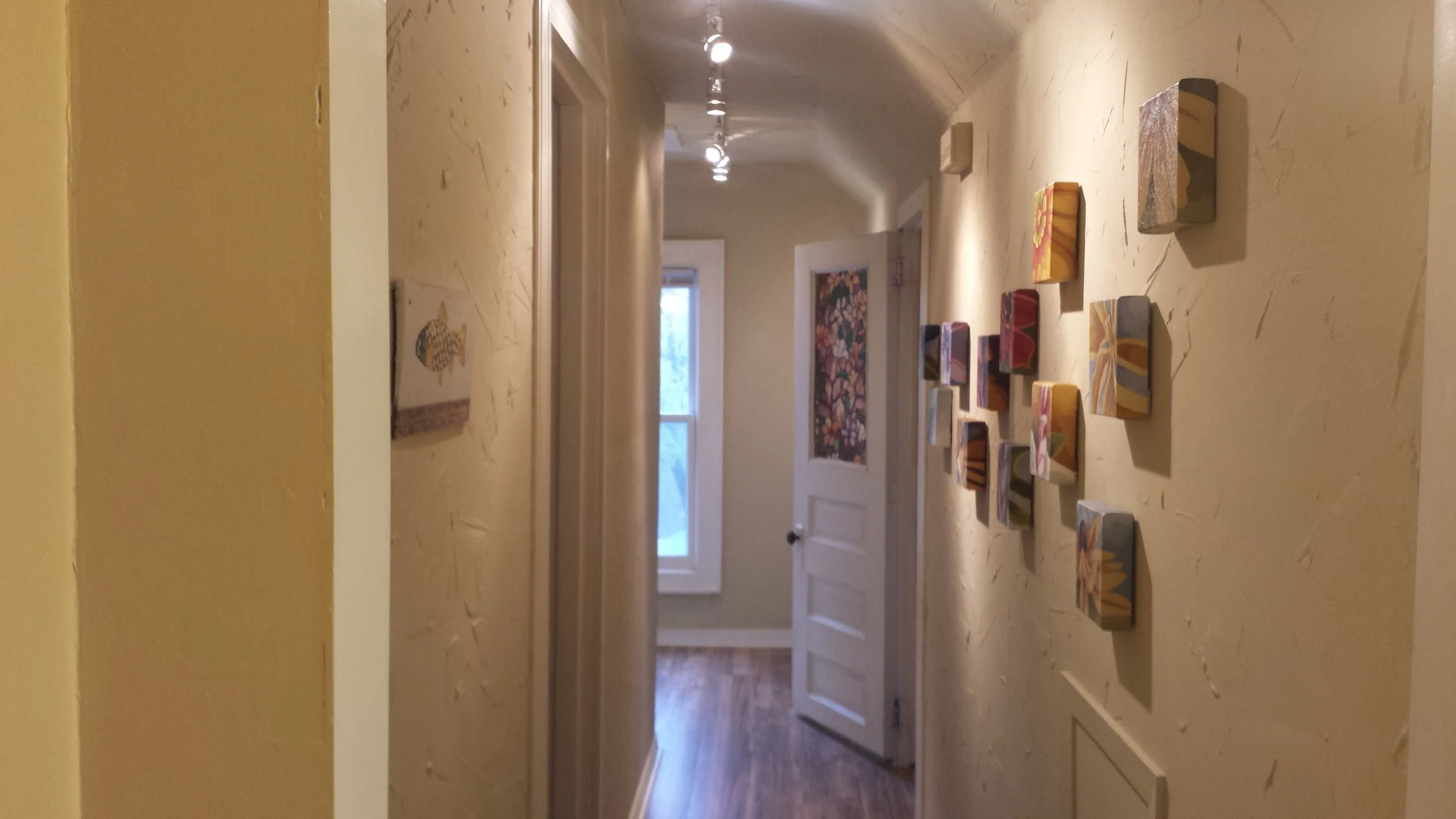
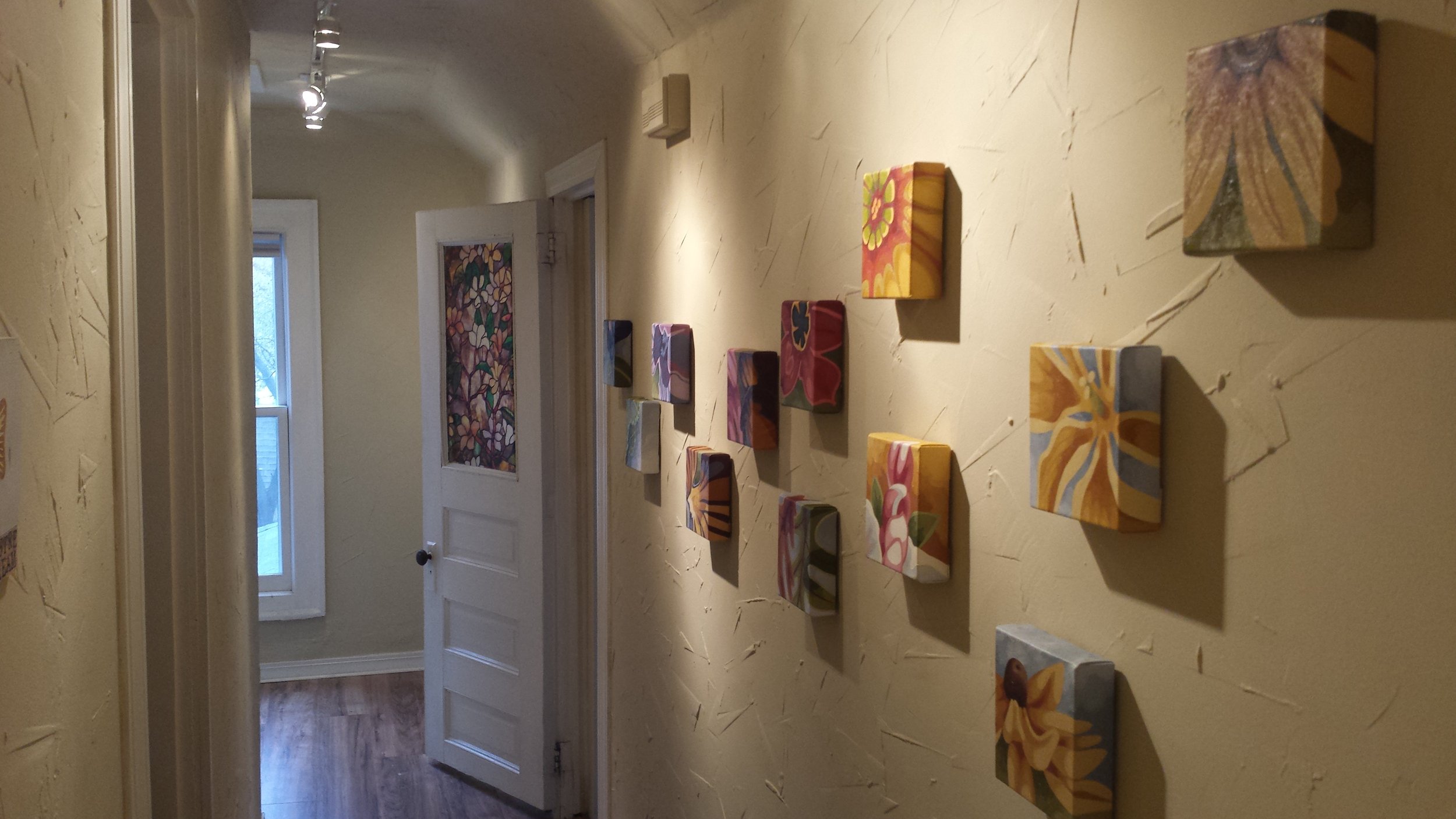
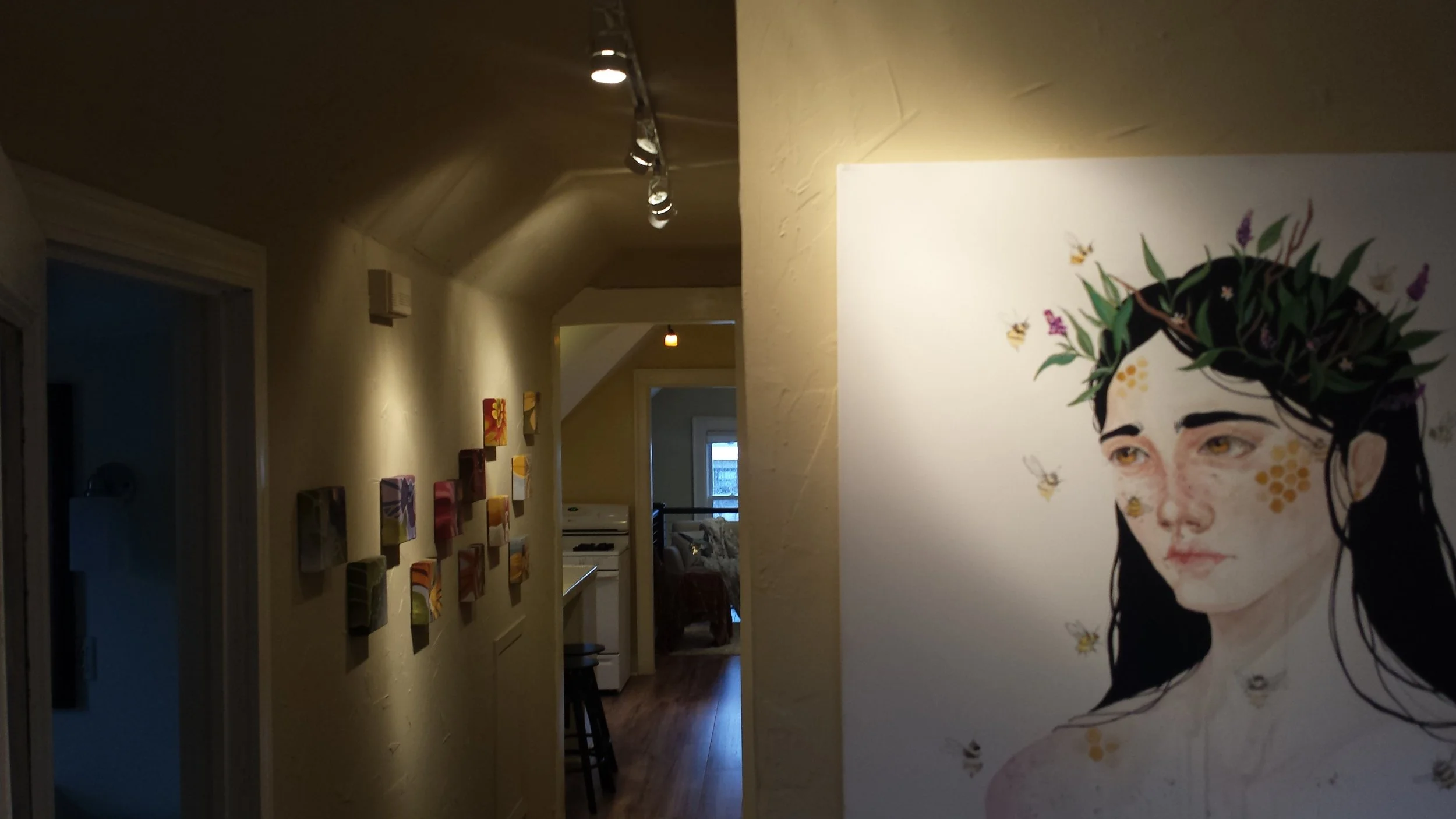
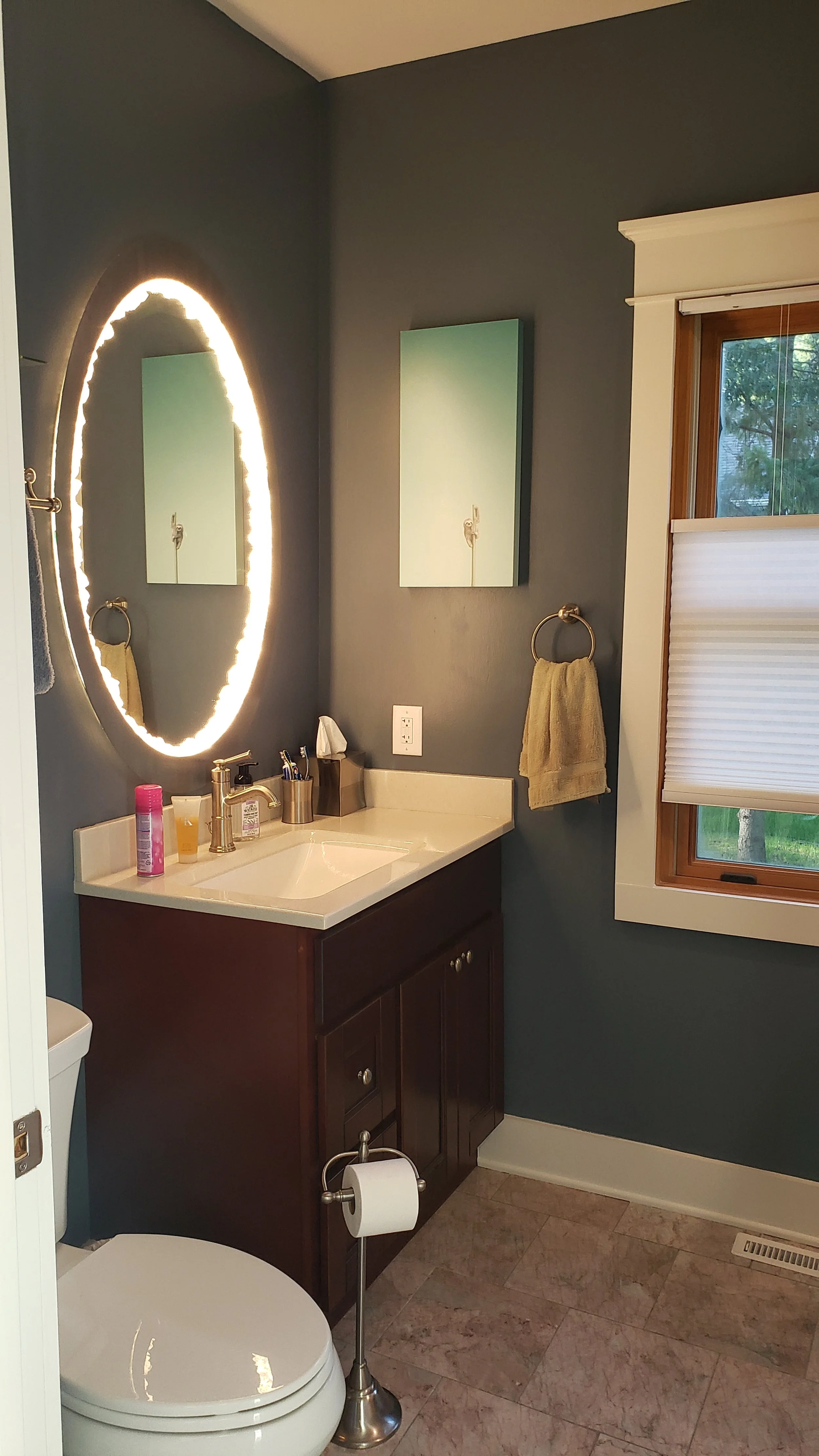
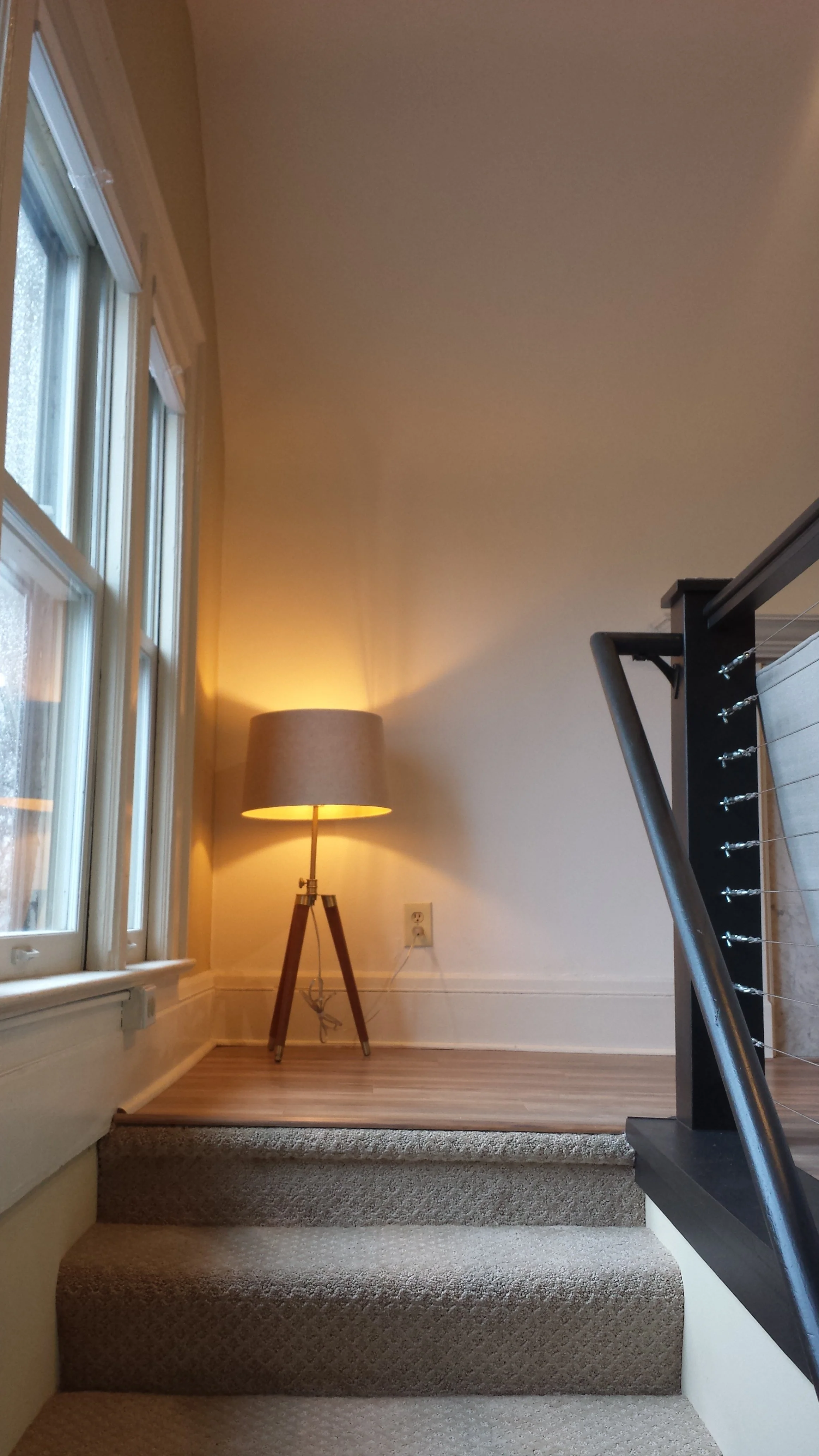
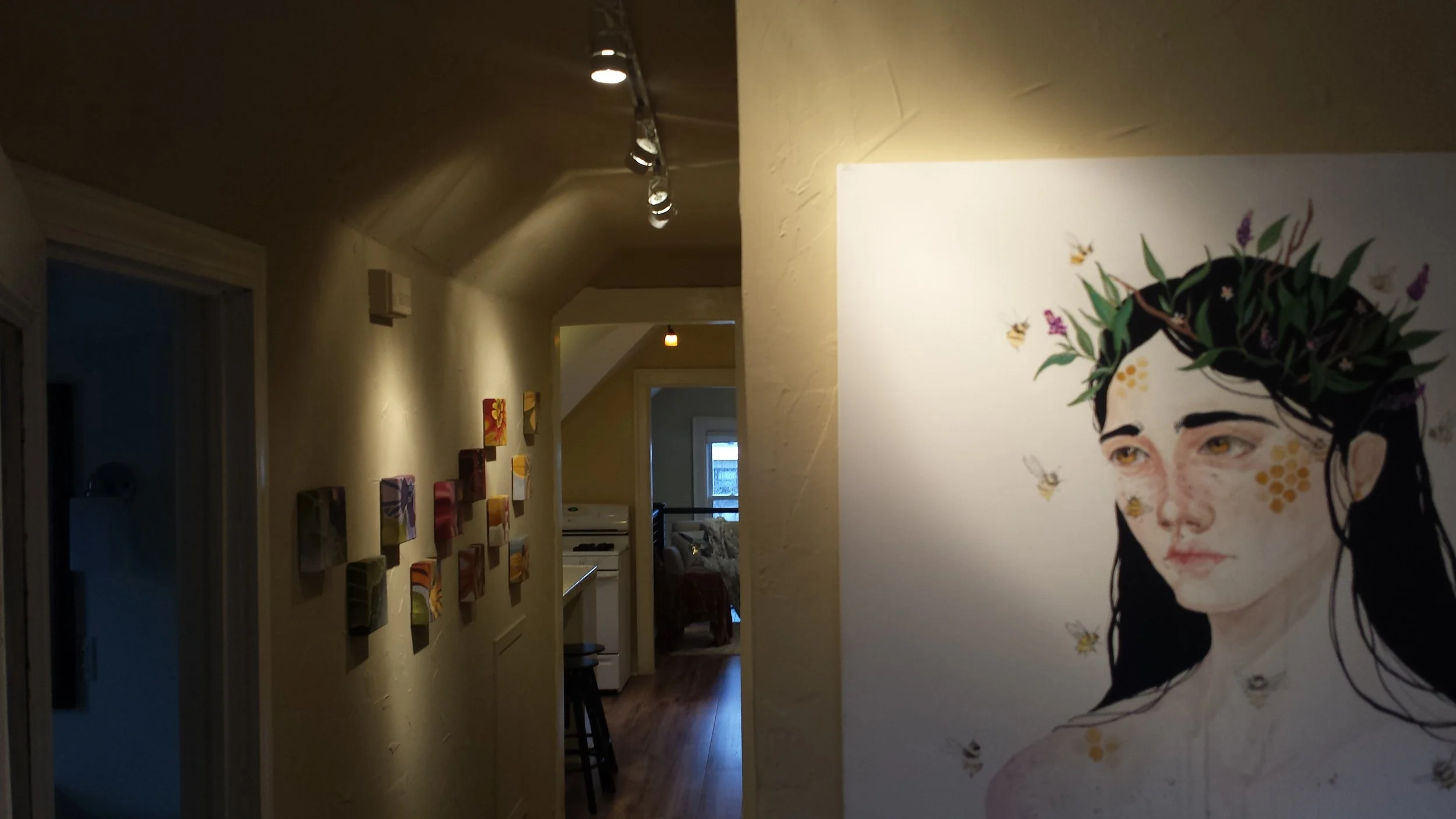
How natural and artificial light influence mood, clarity, and energy.
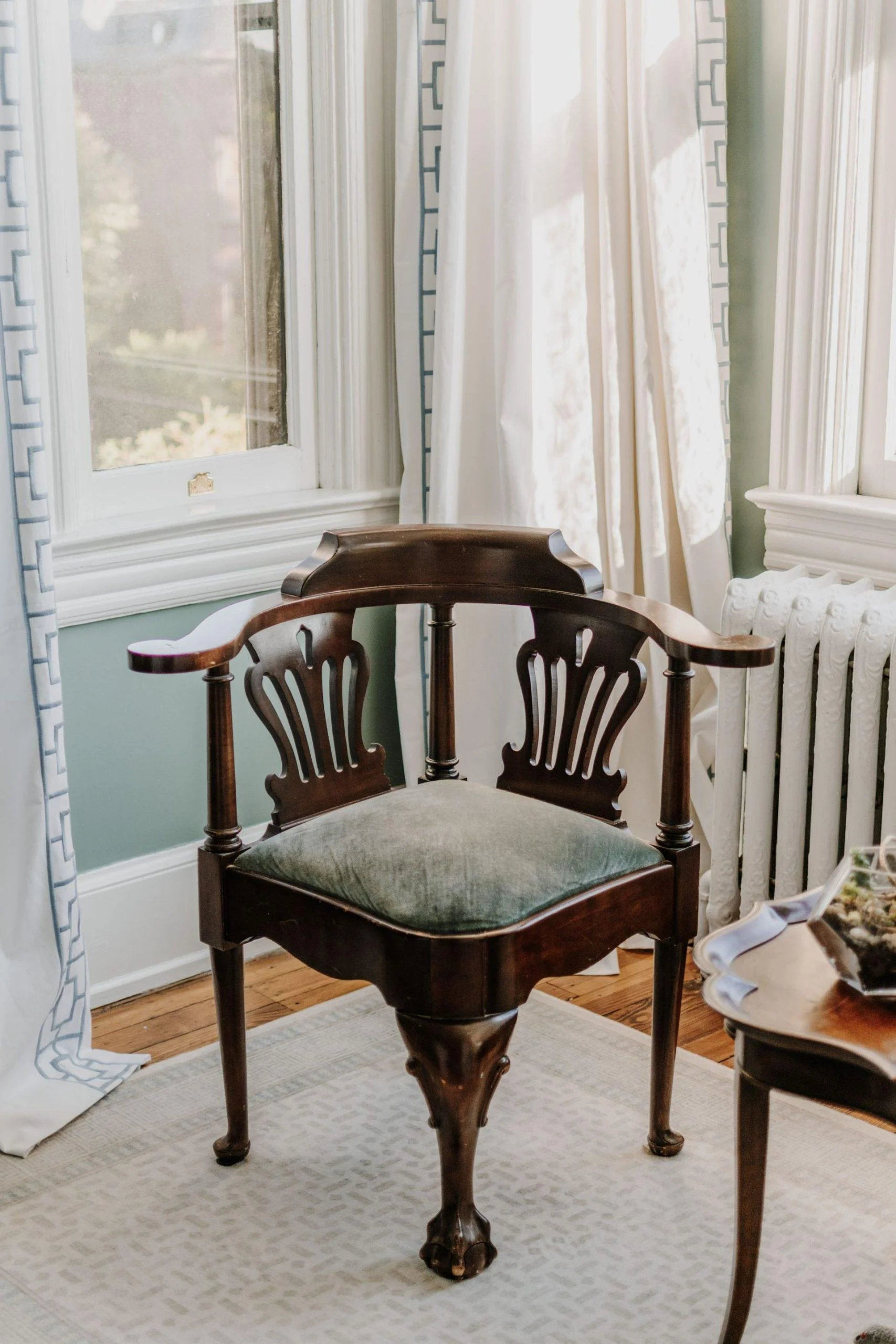
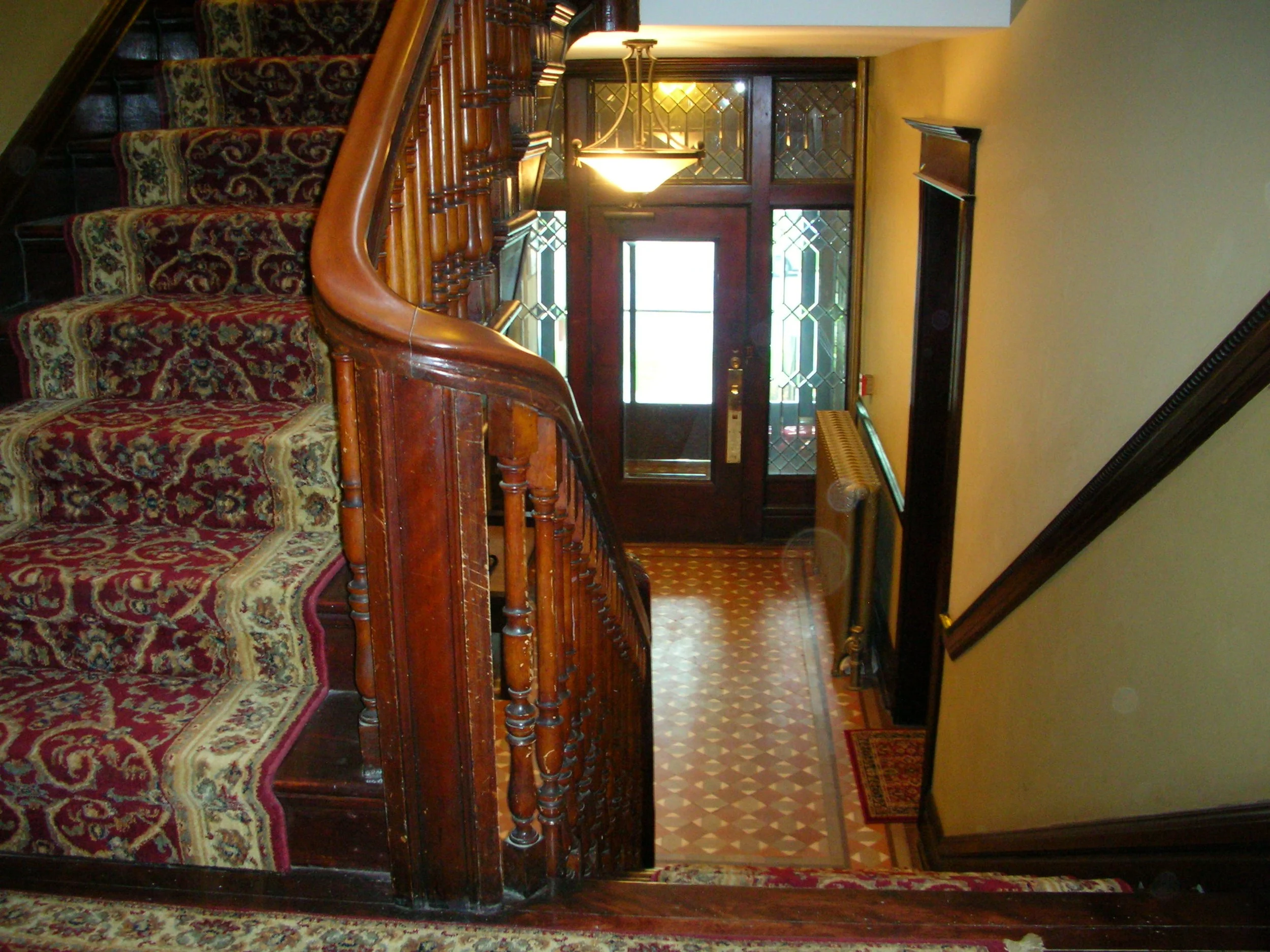
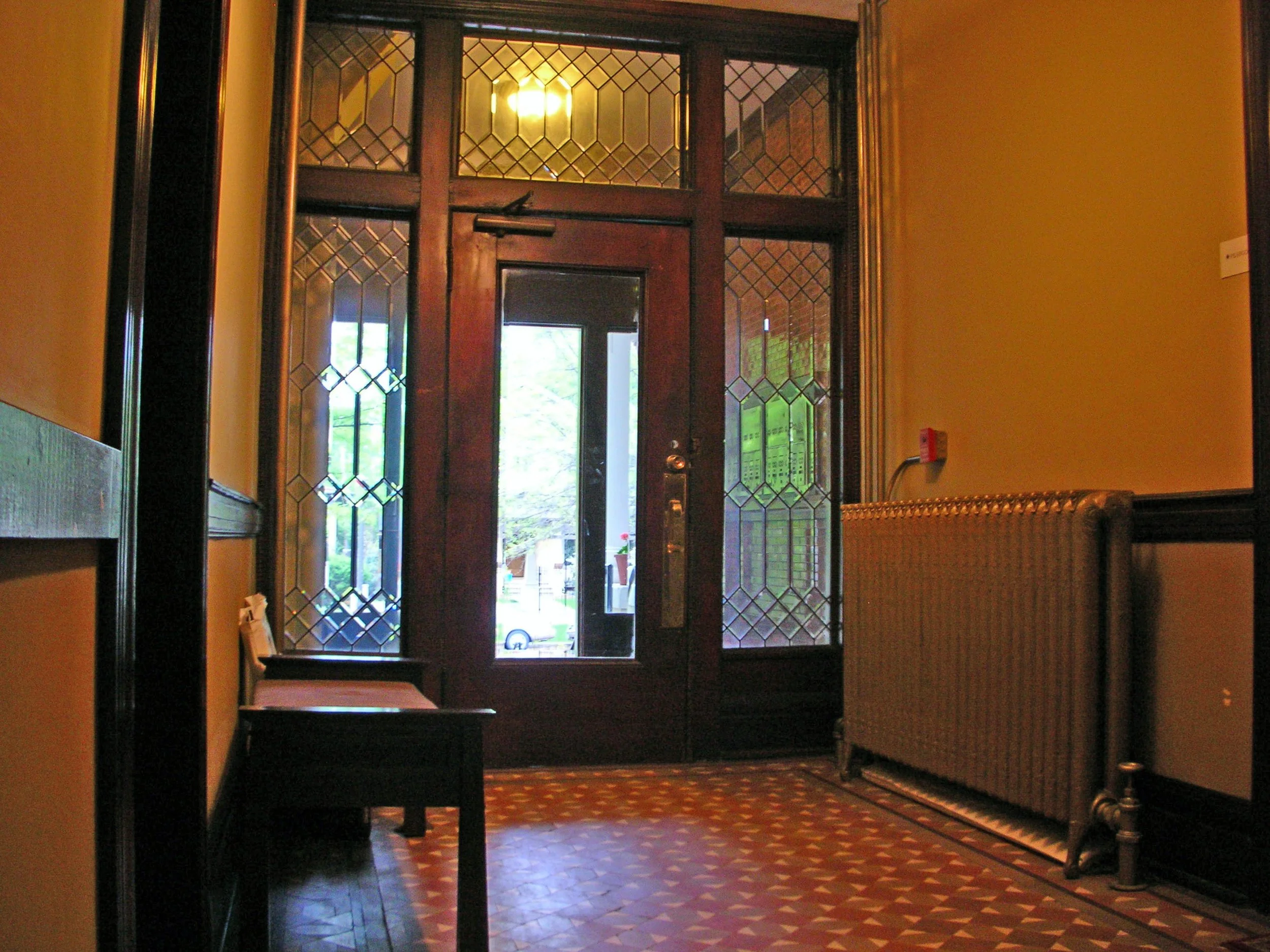
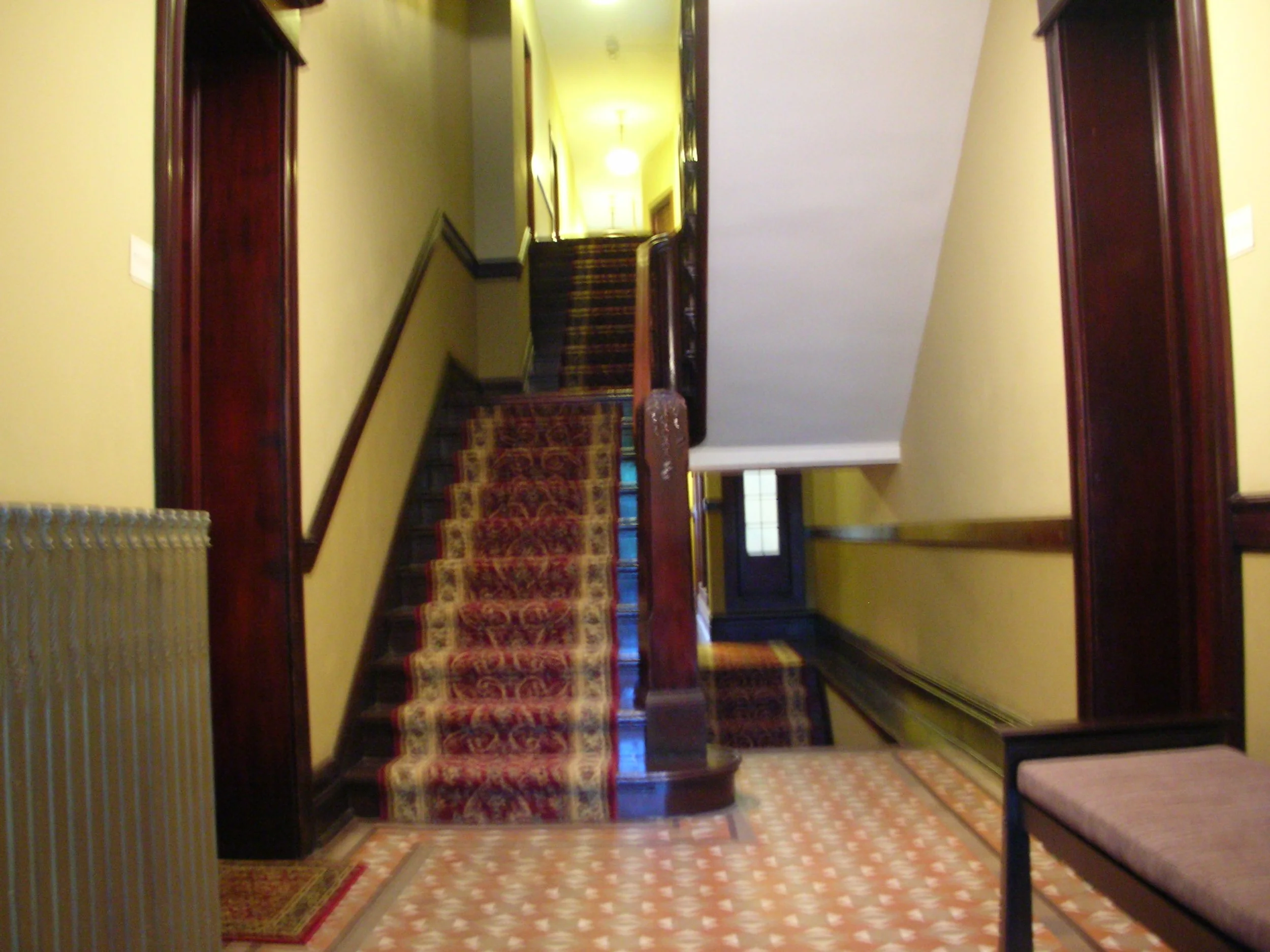
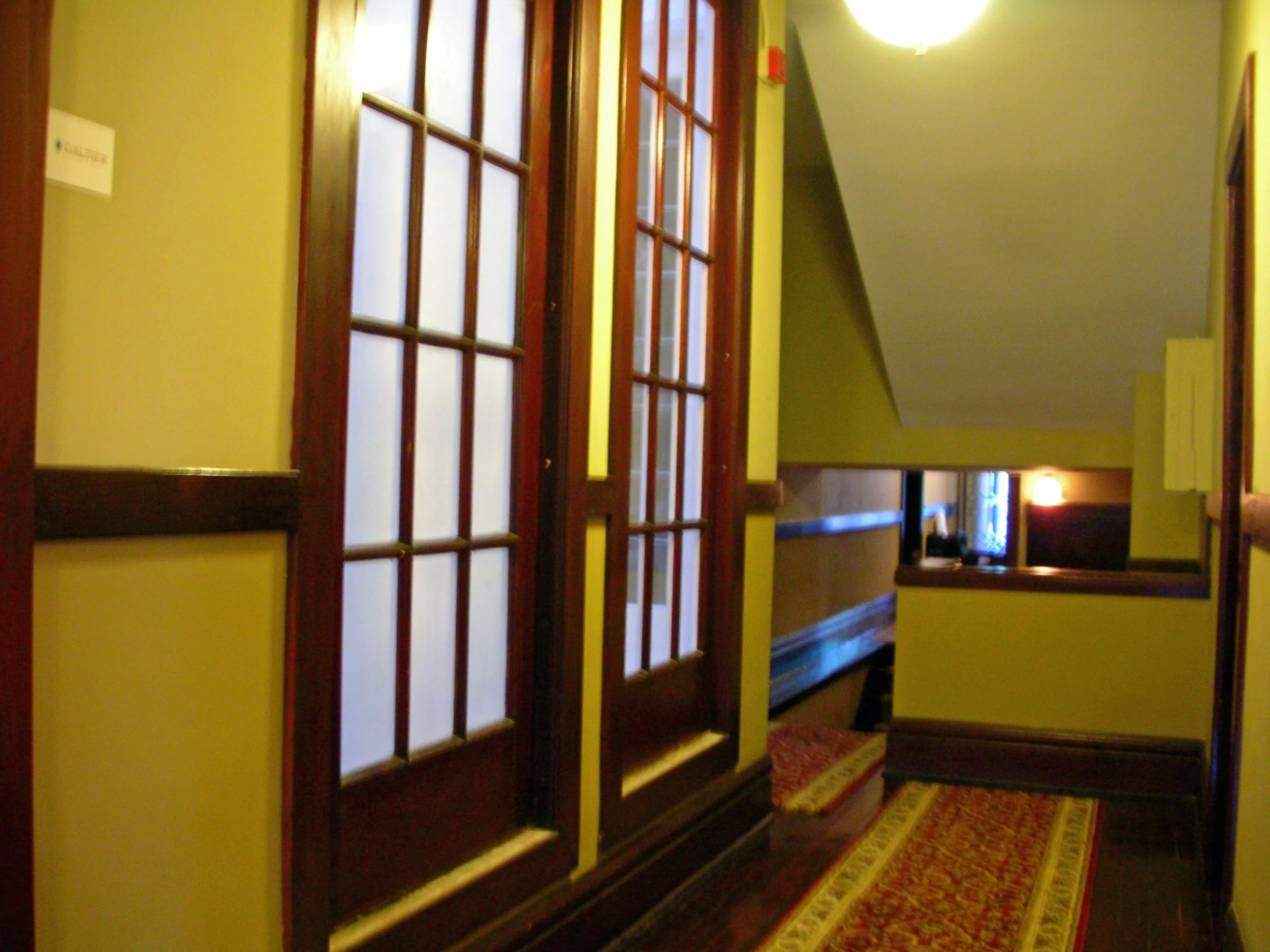
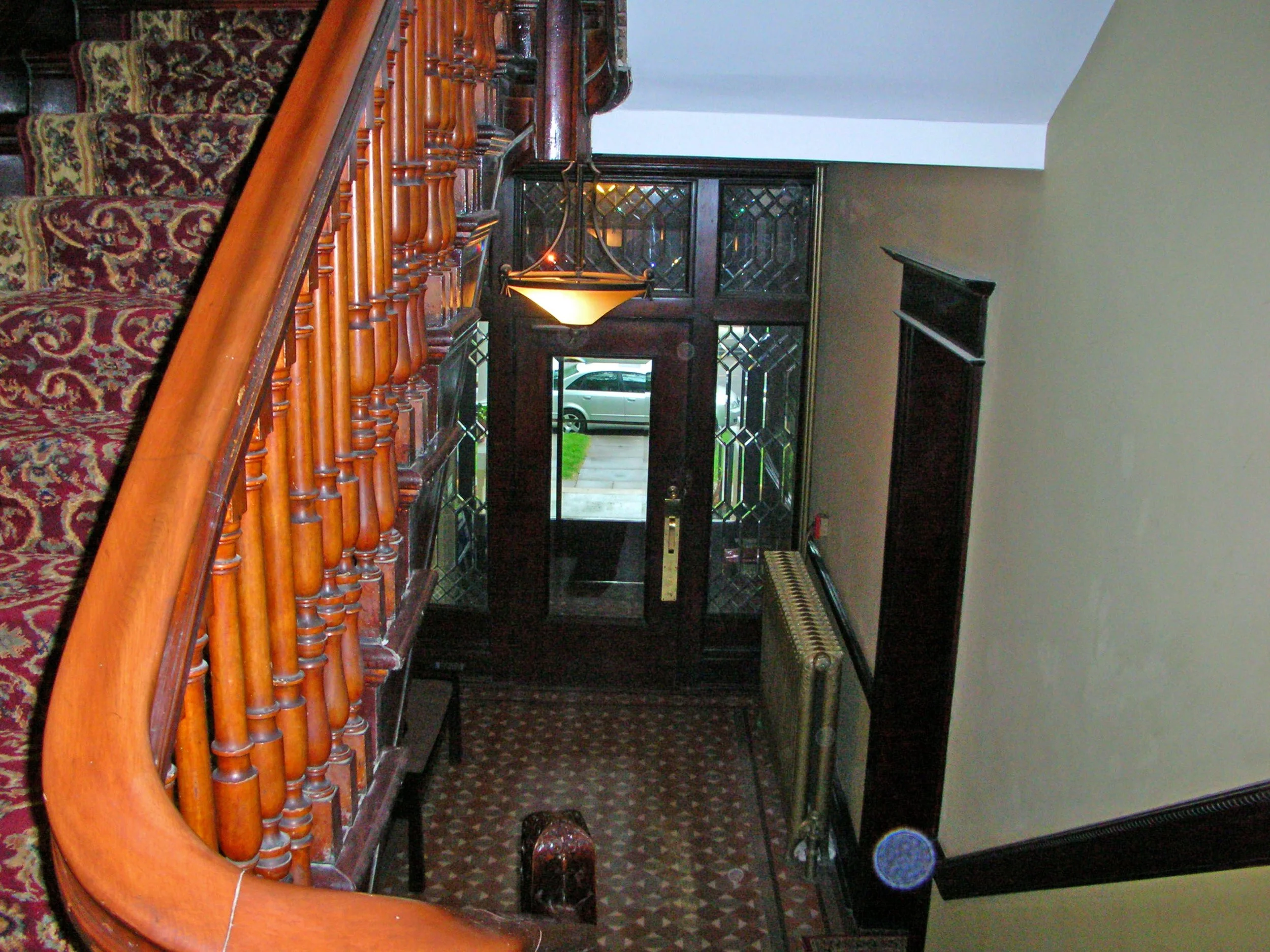
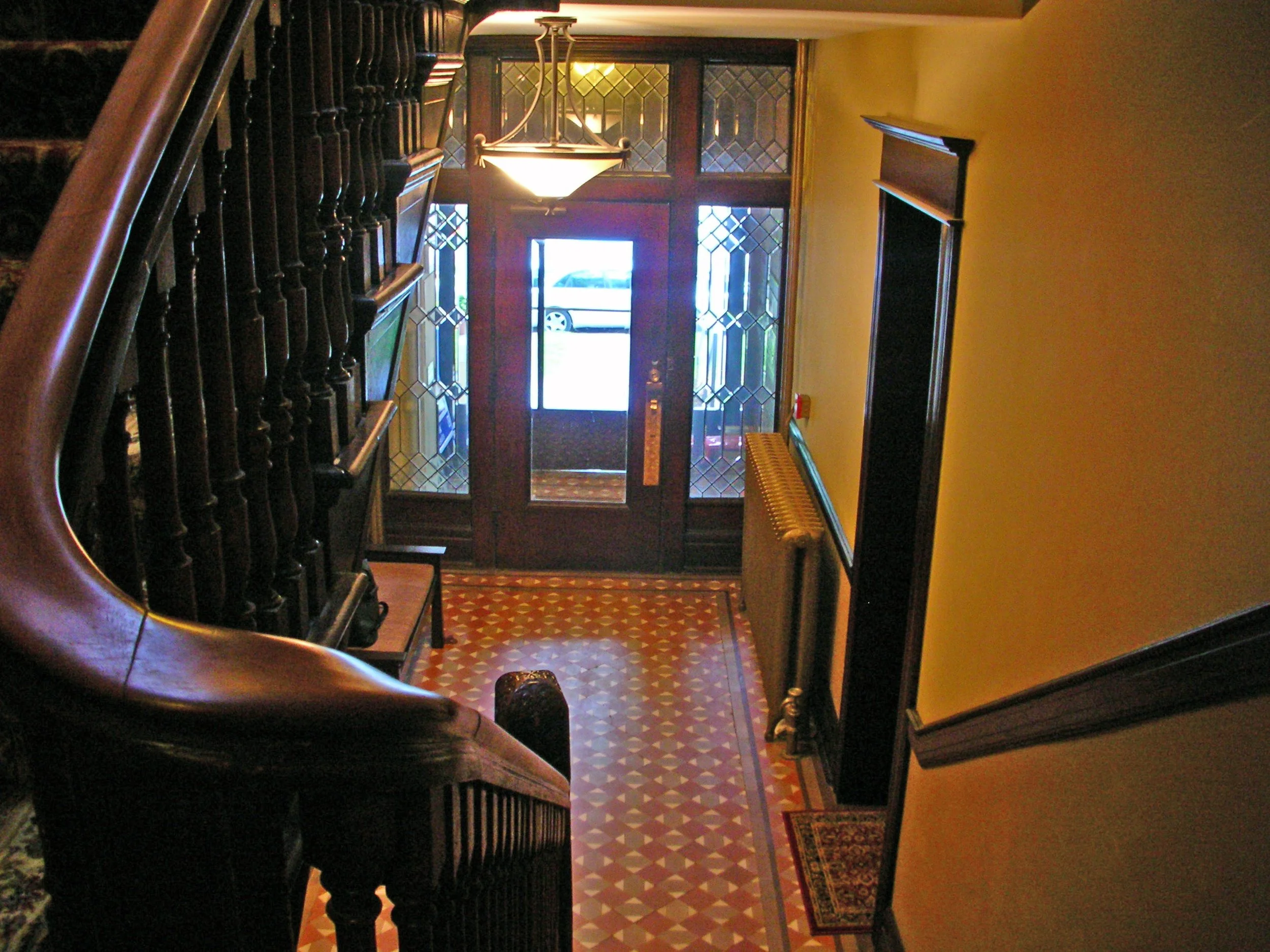
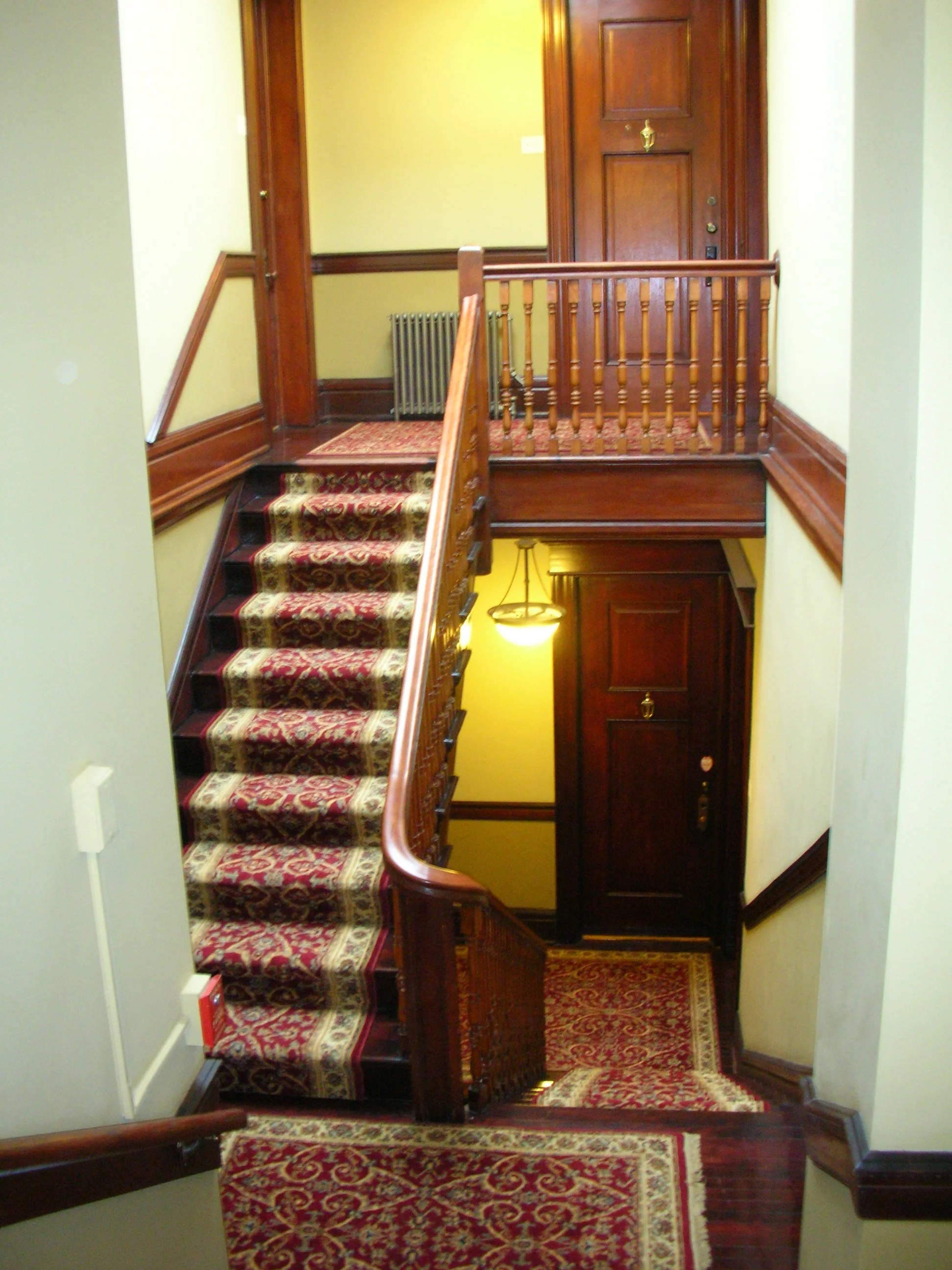
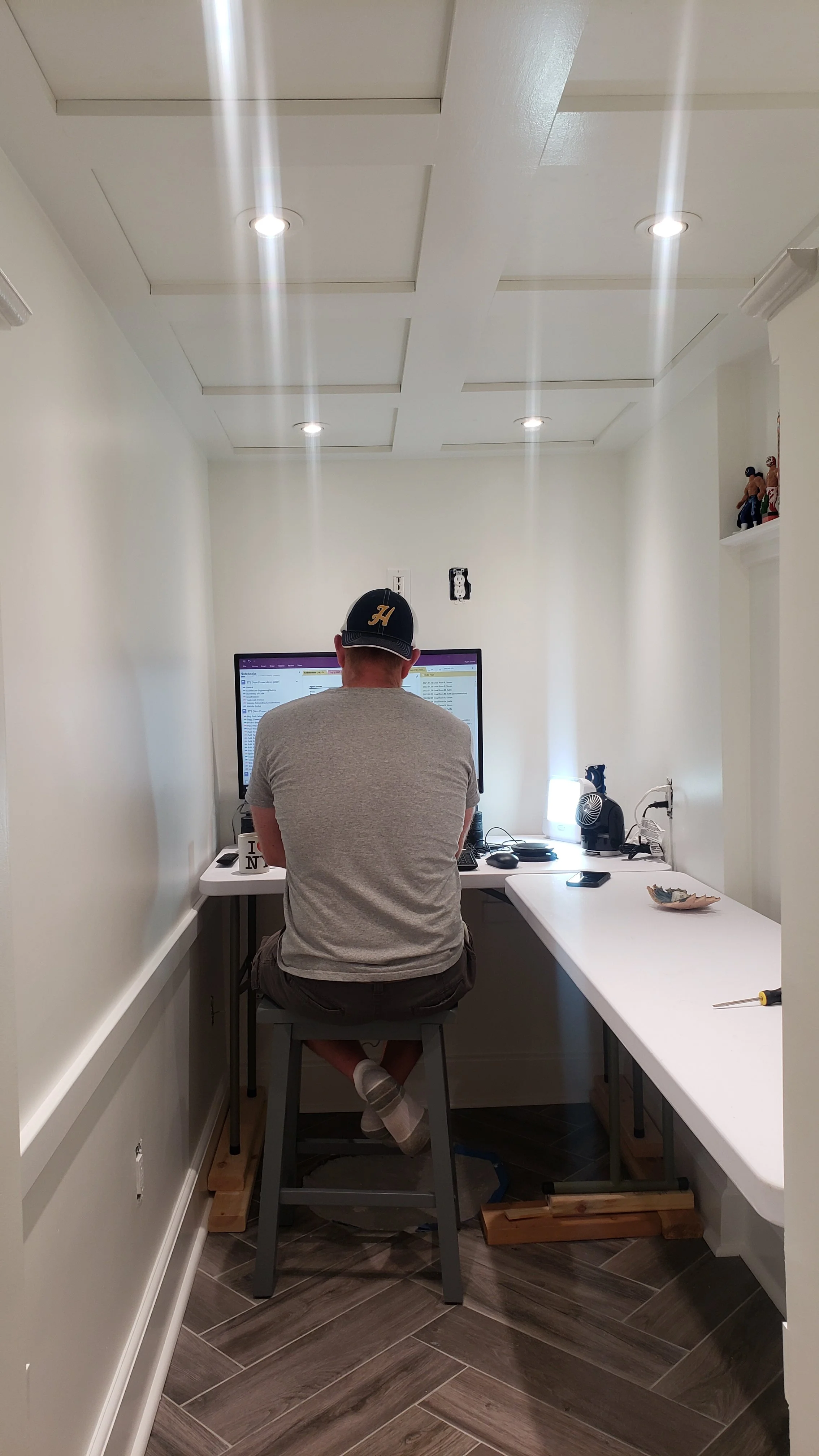
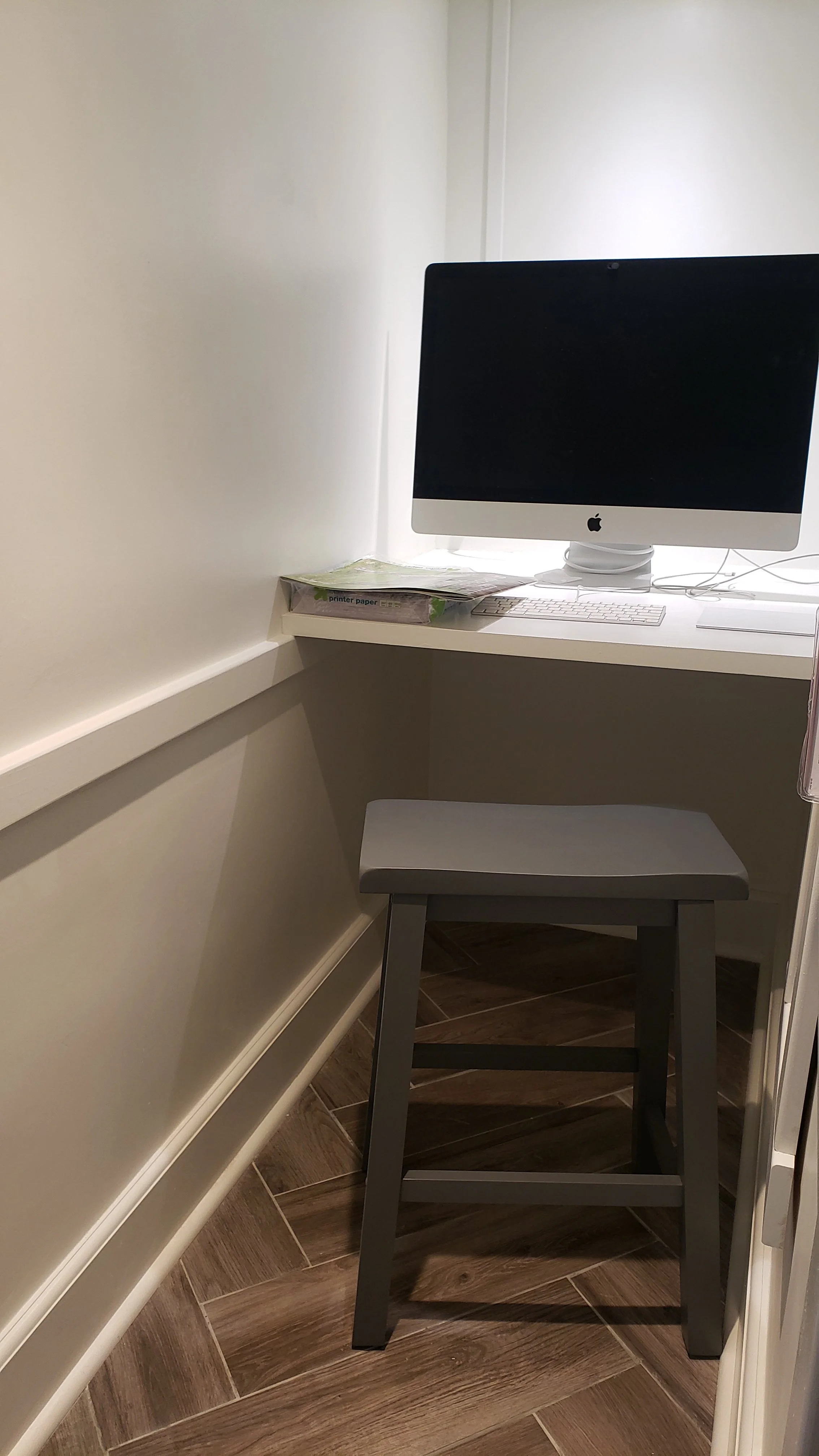
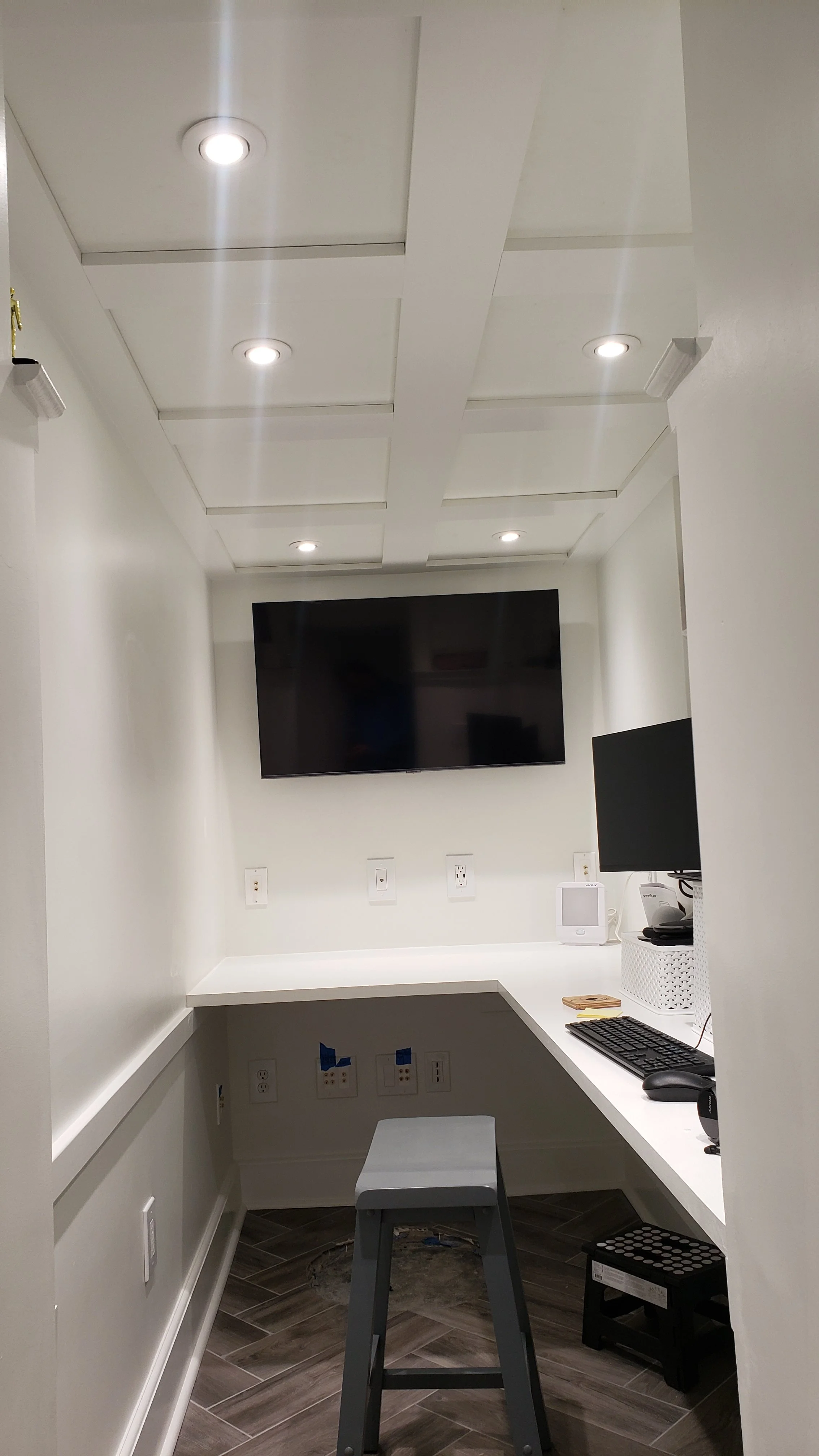
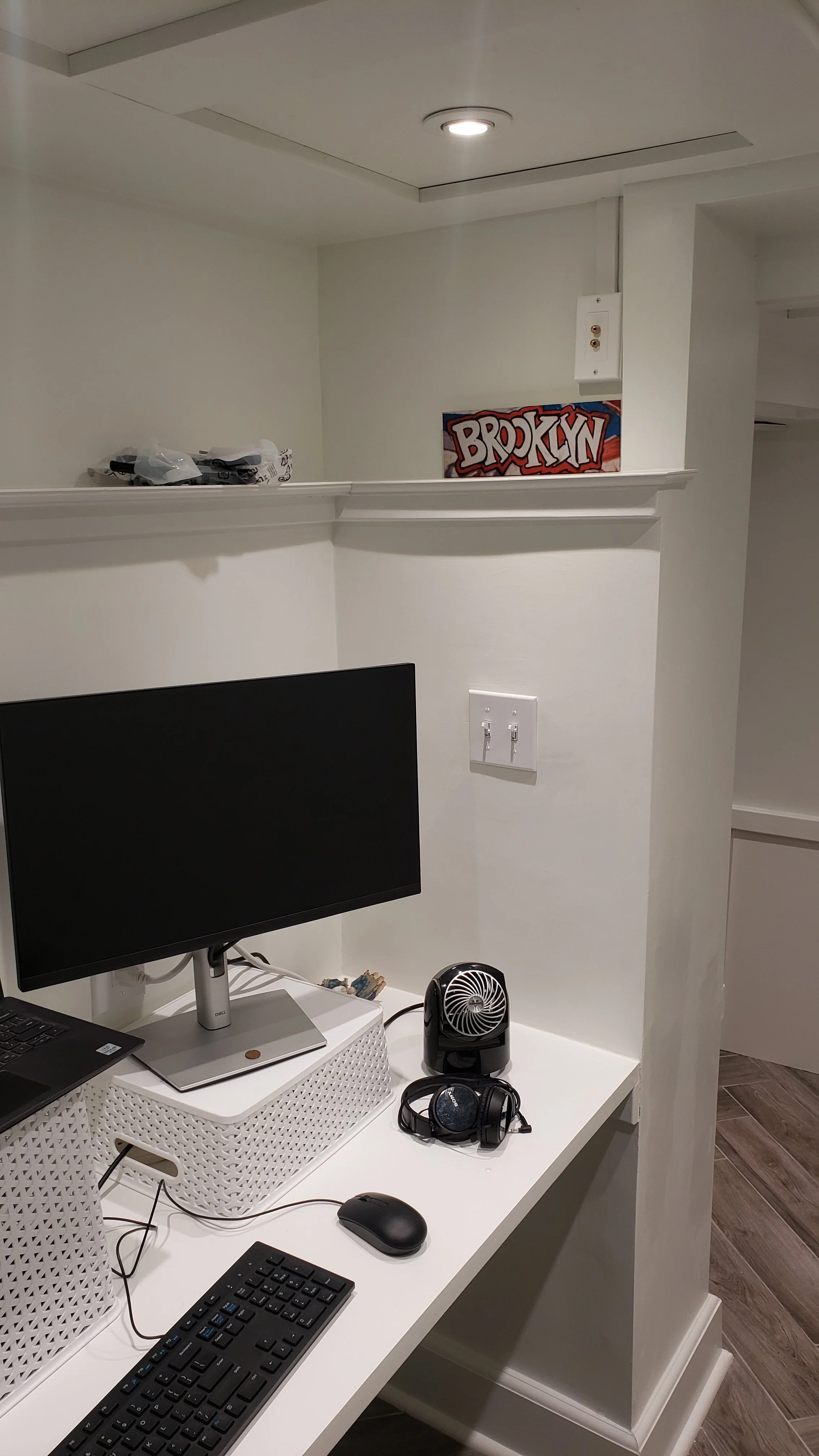
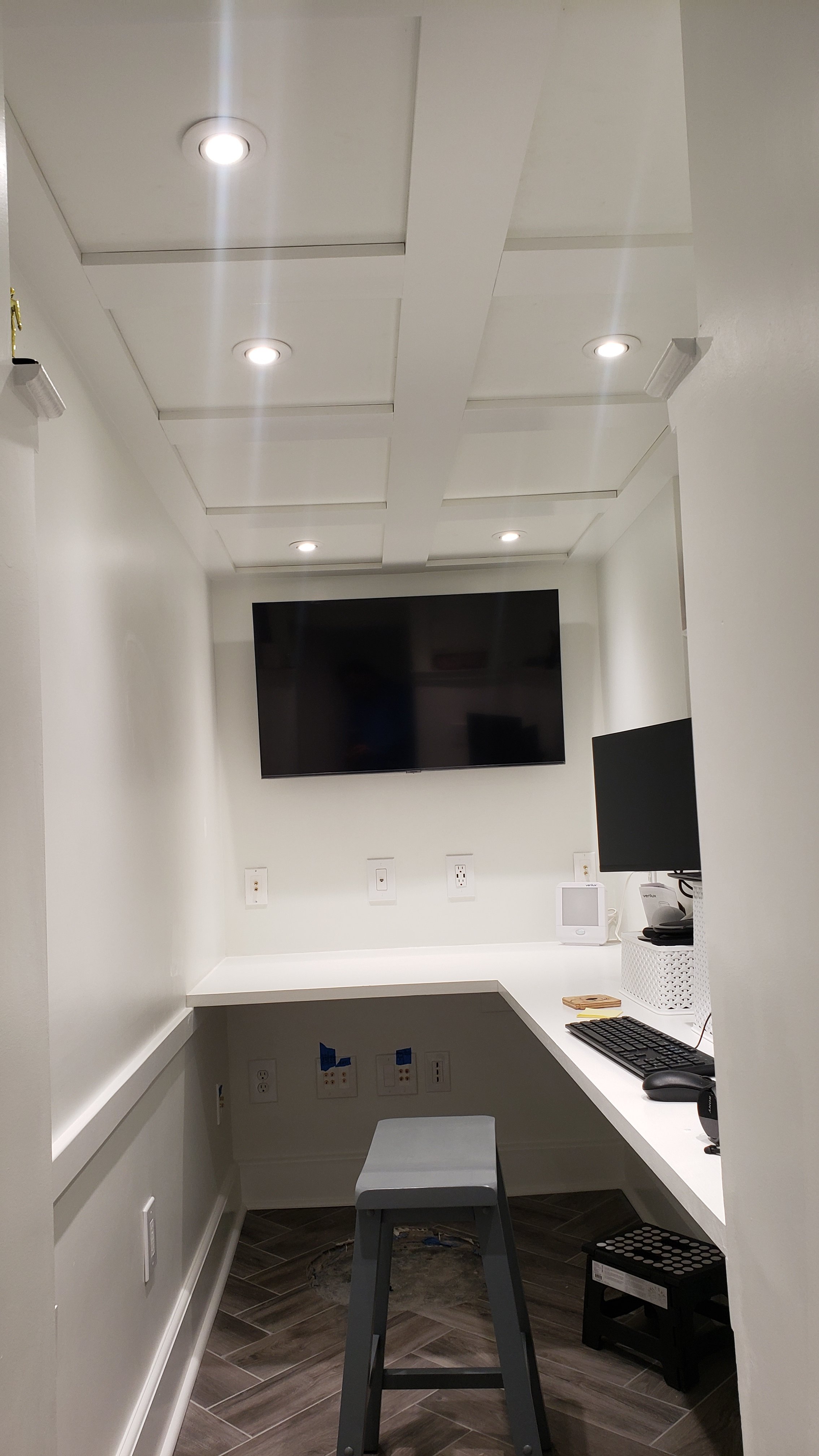
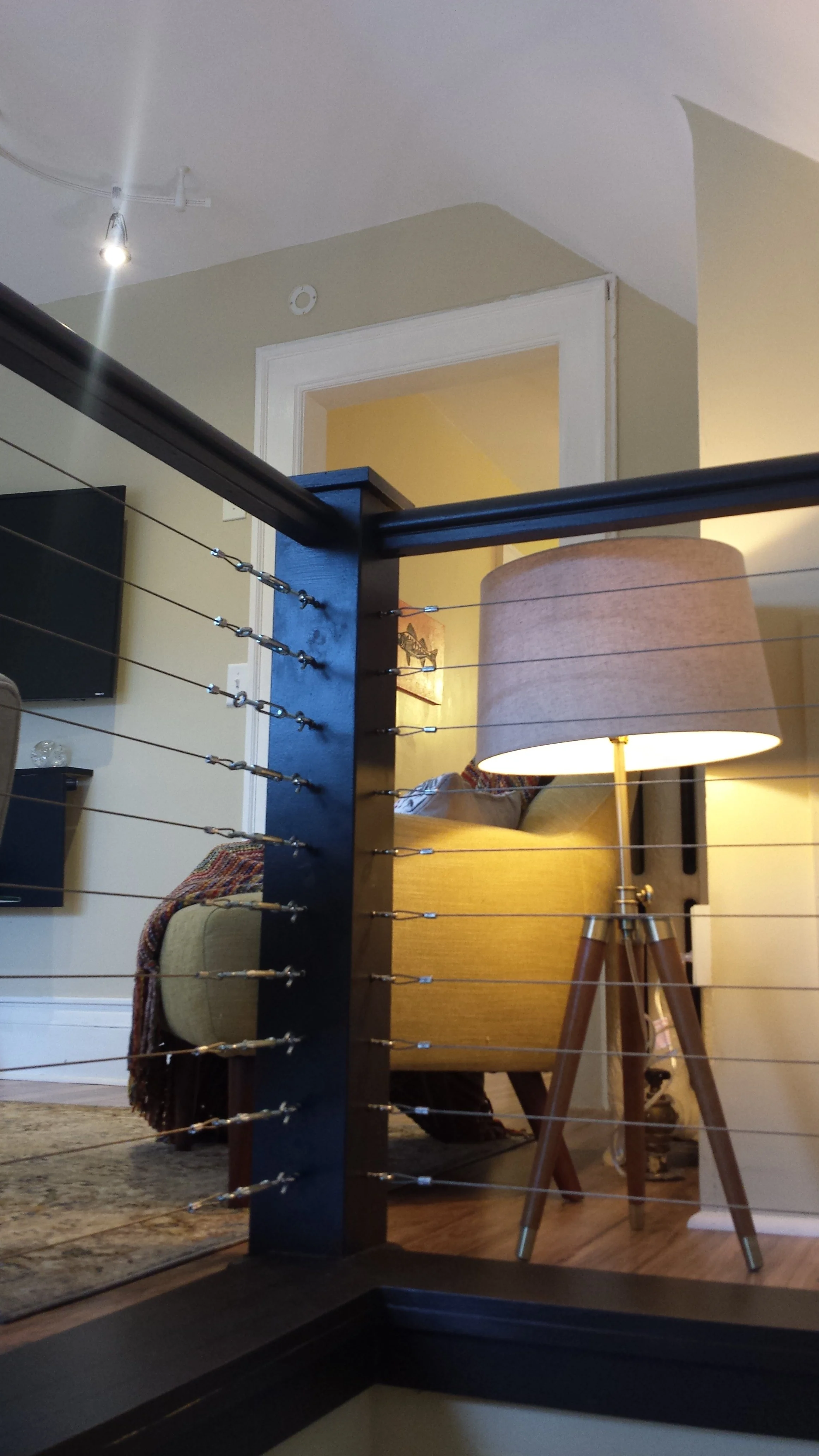
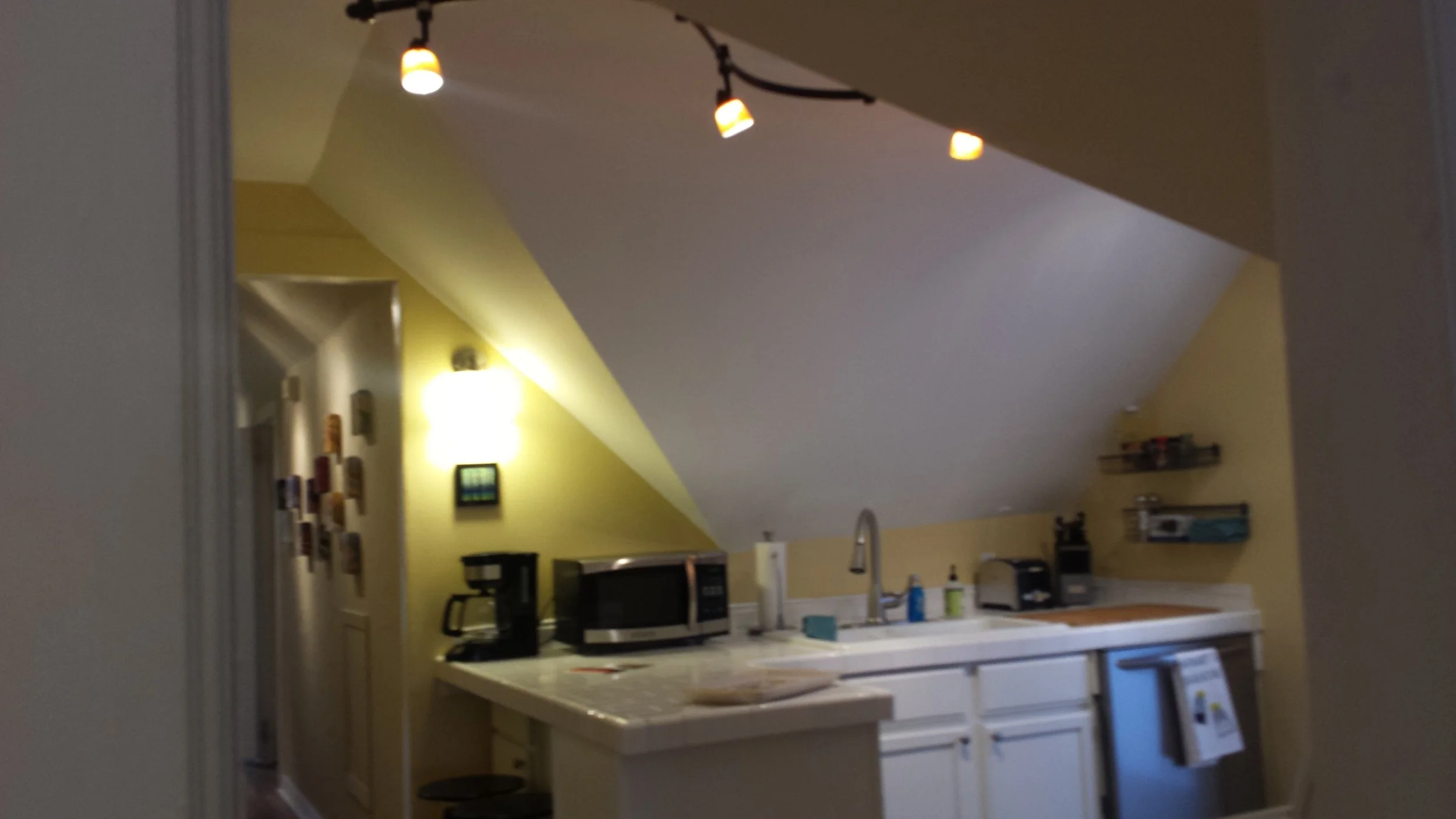
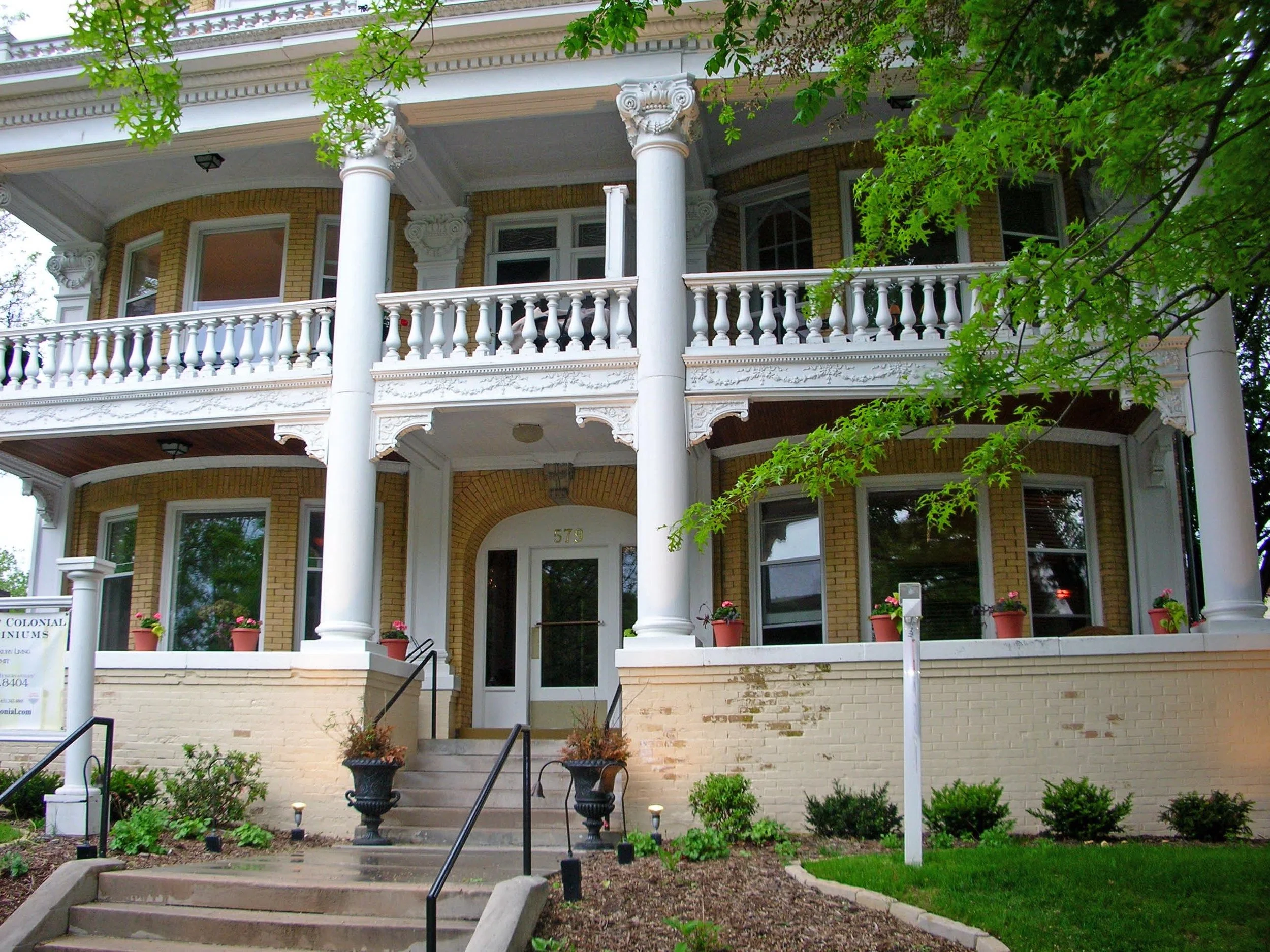
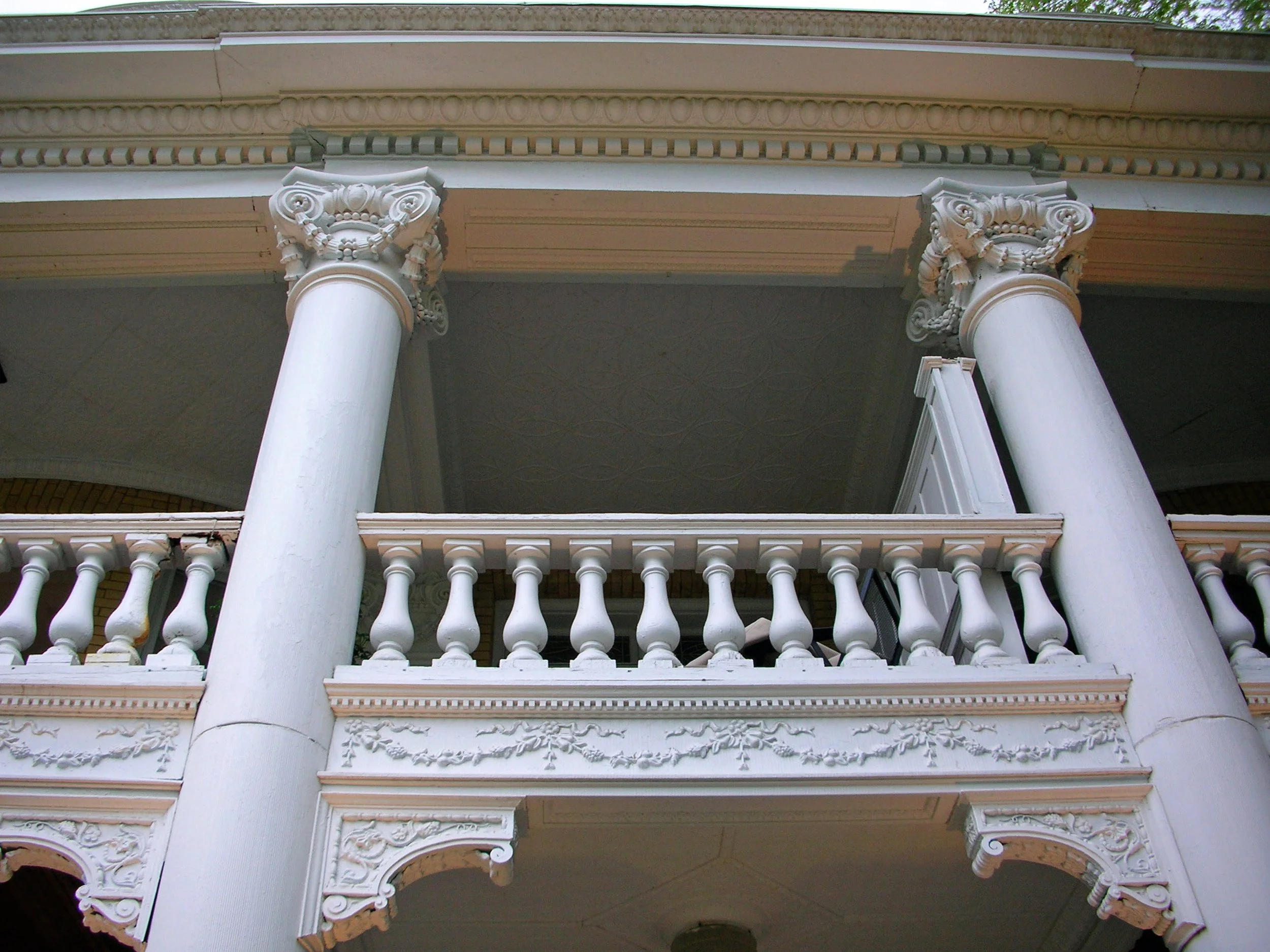
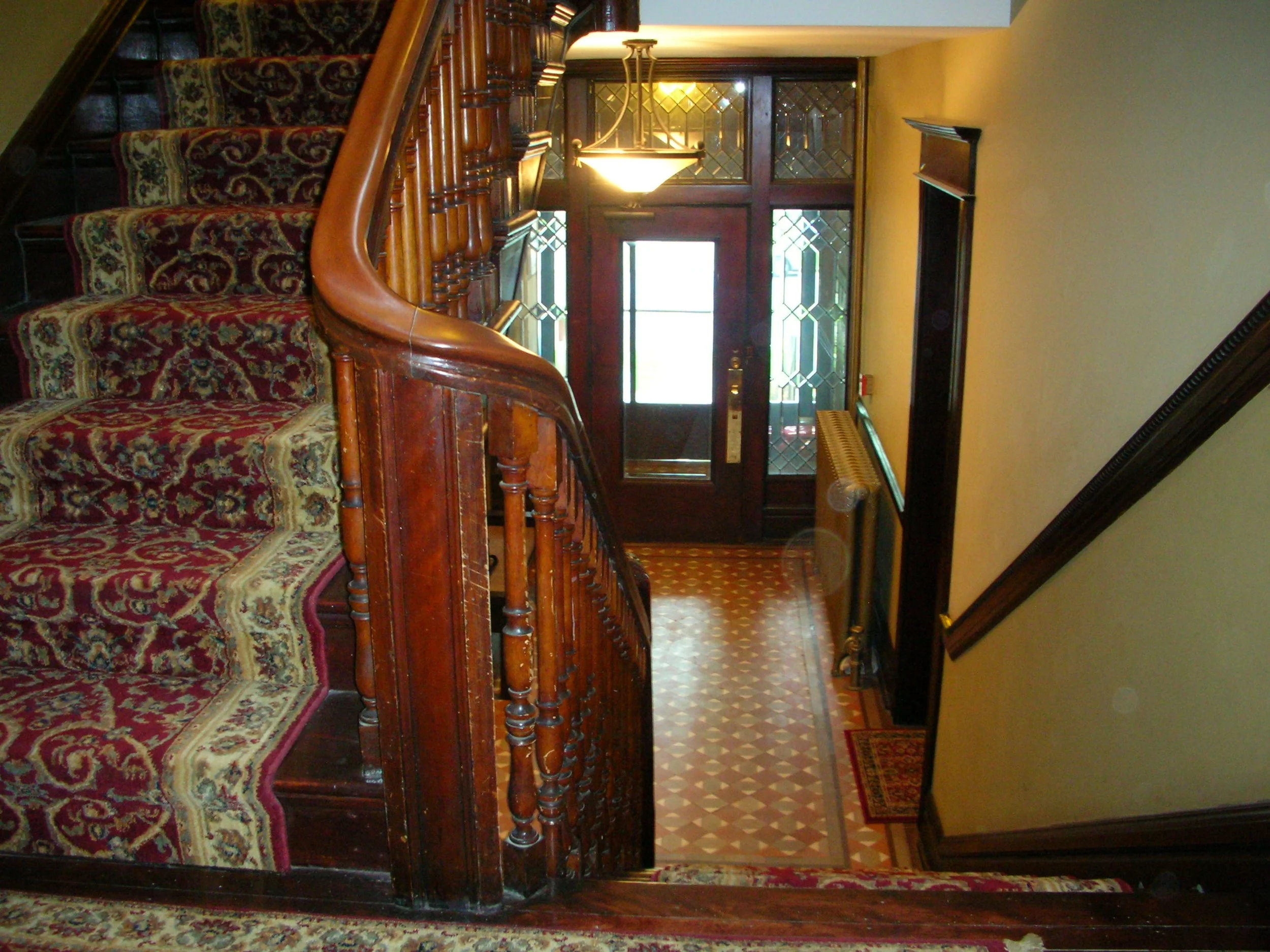
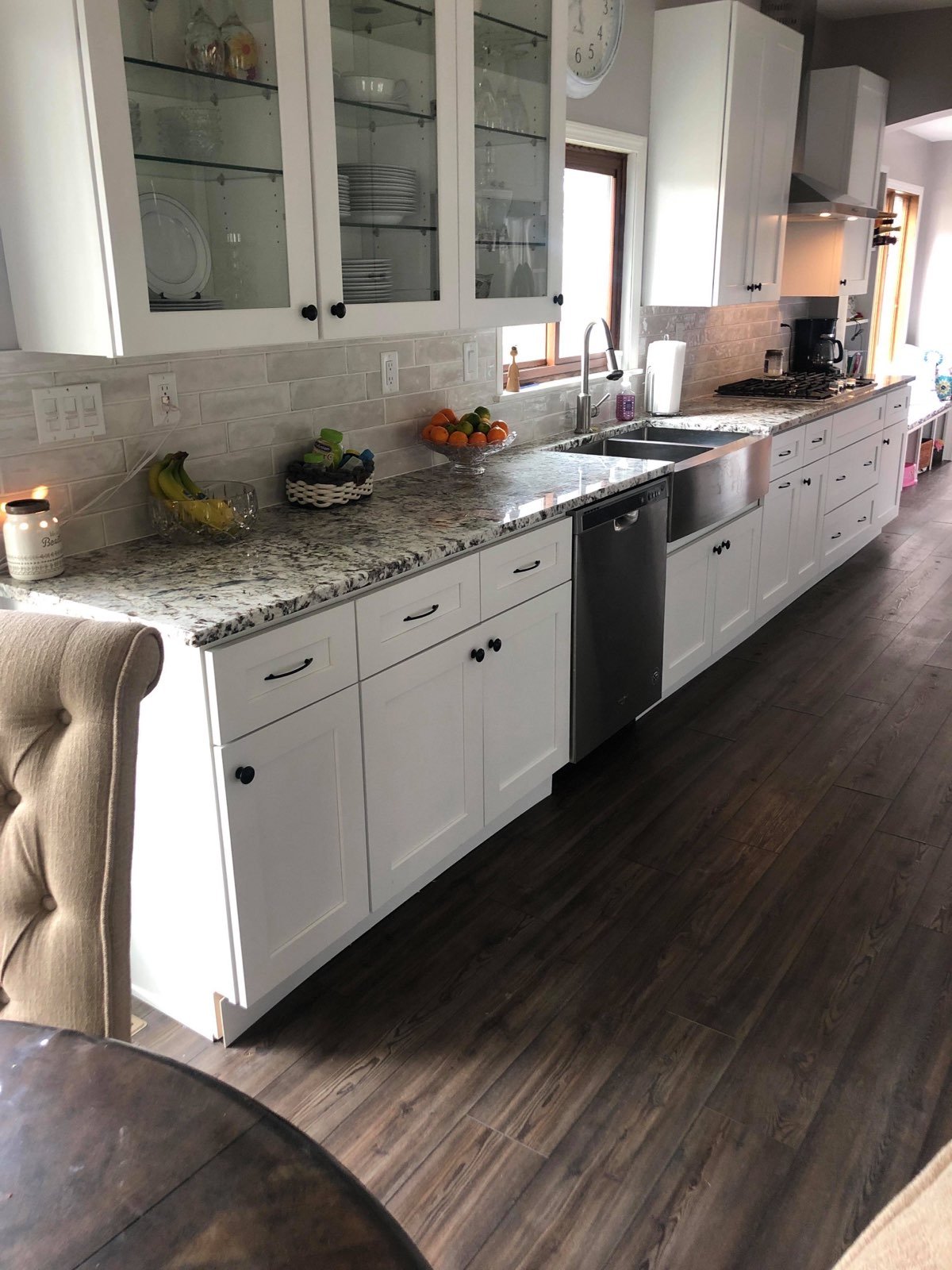
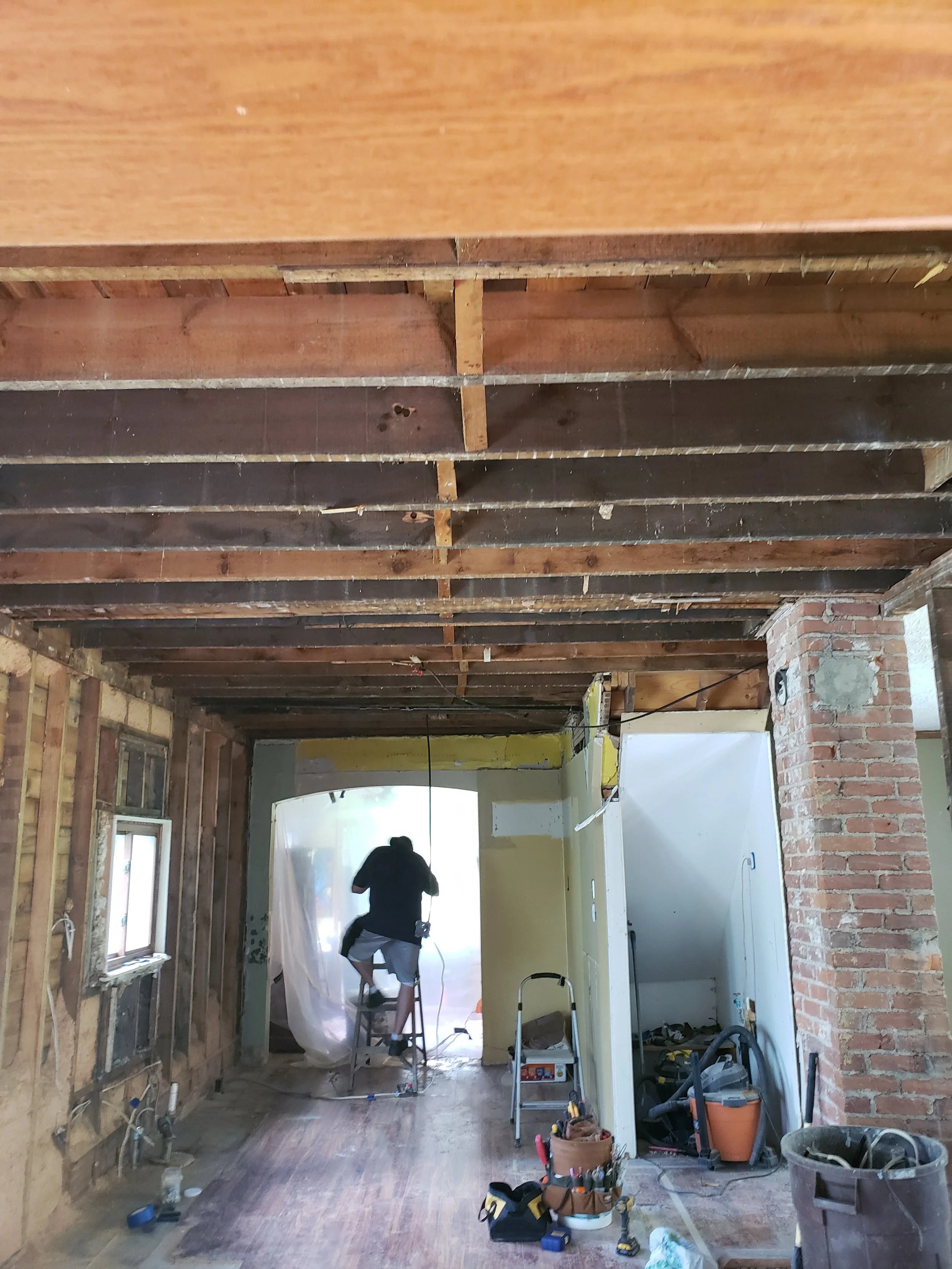
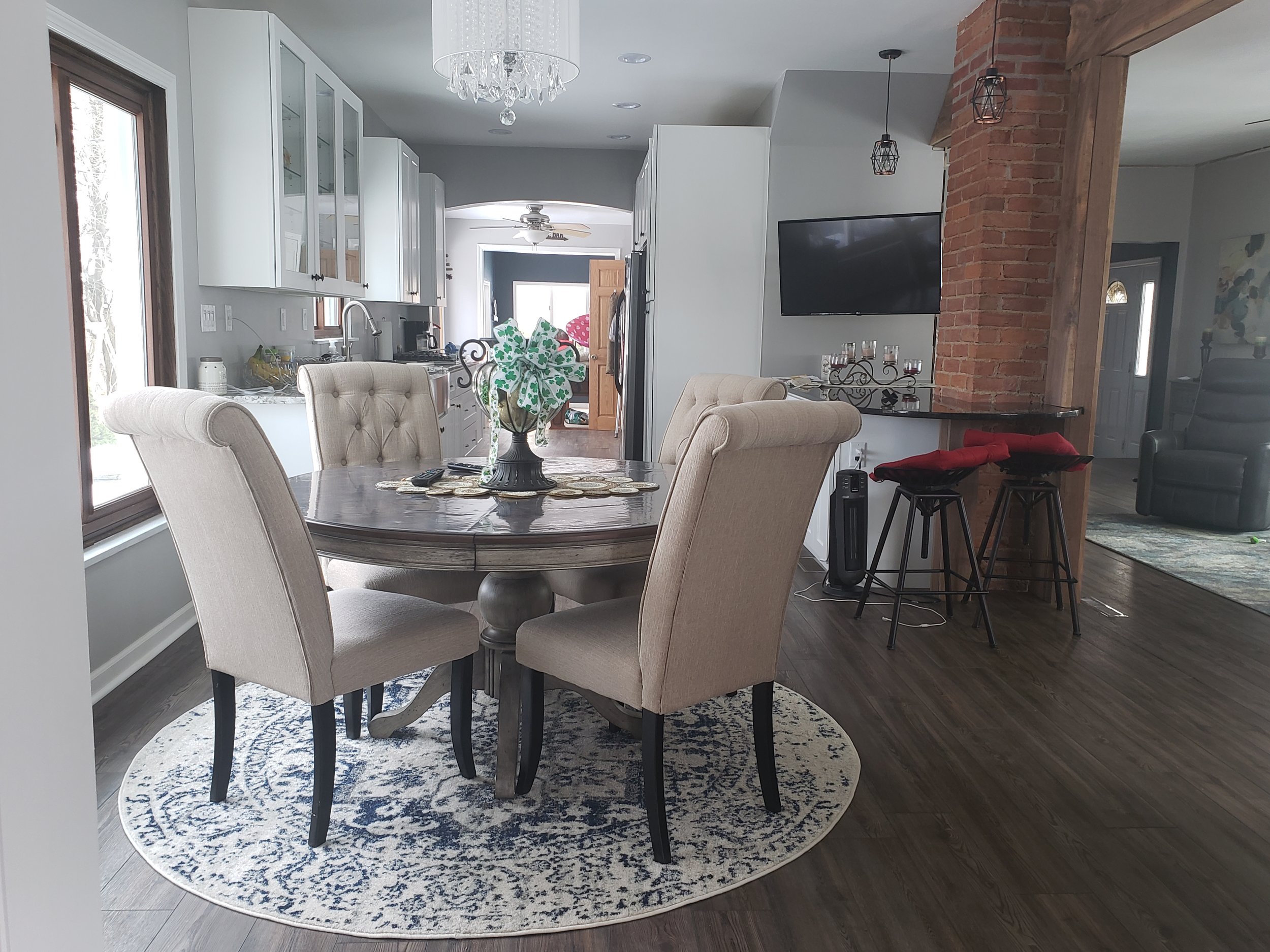
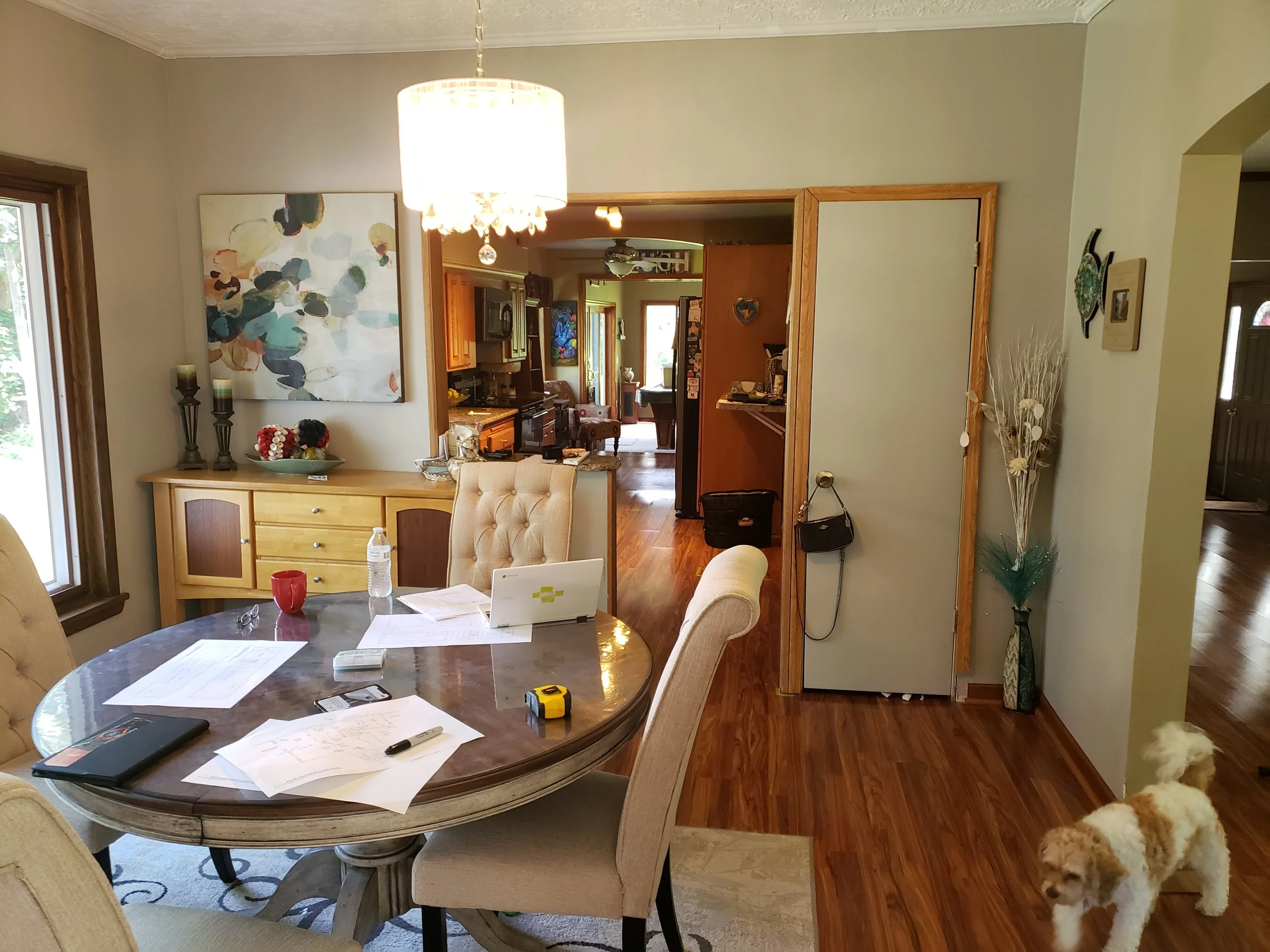
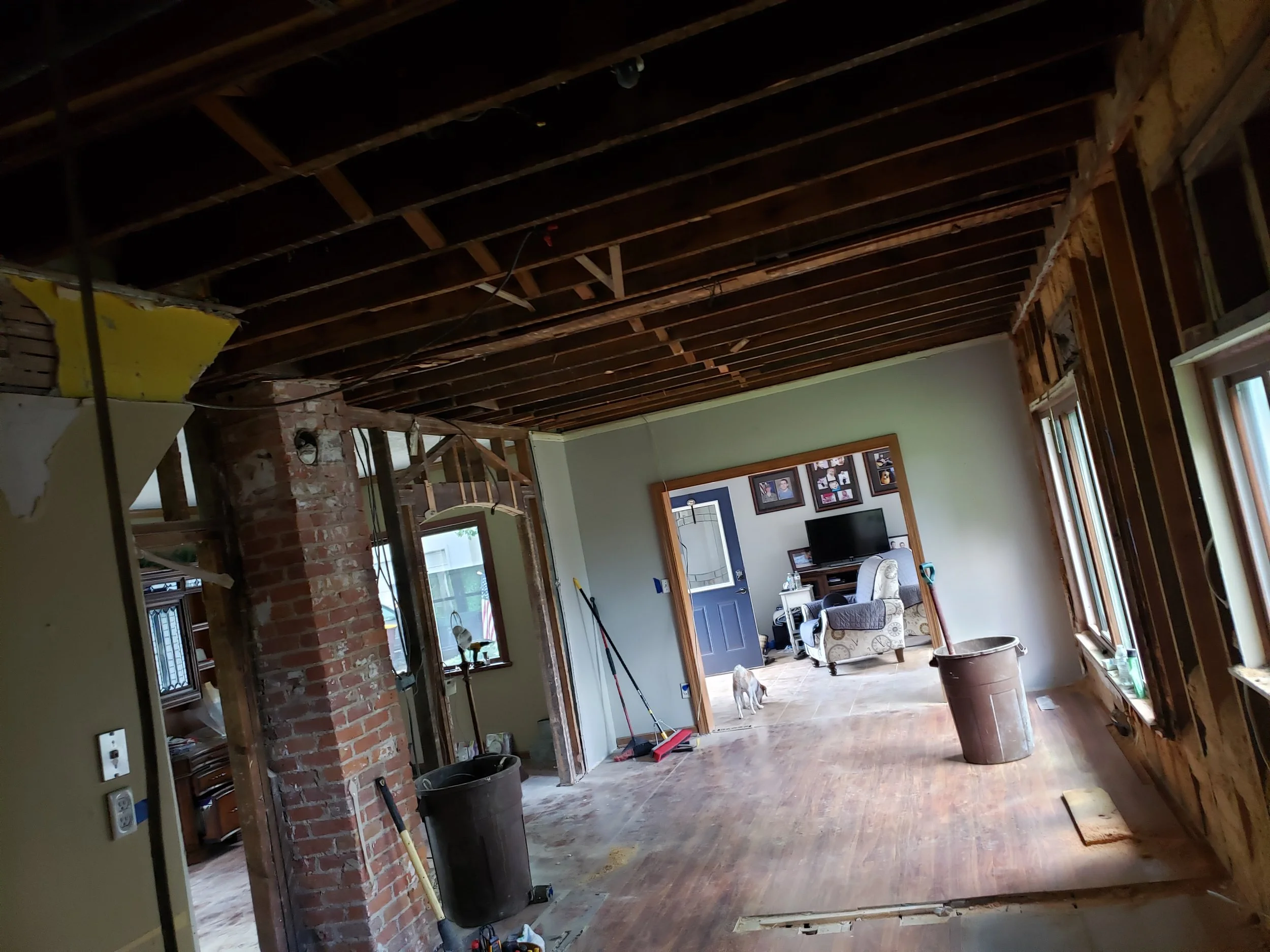
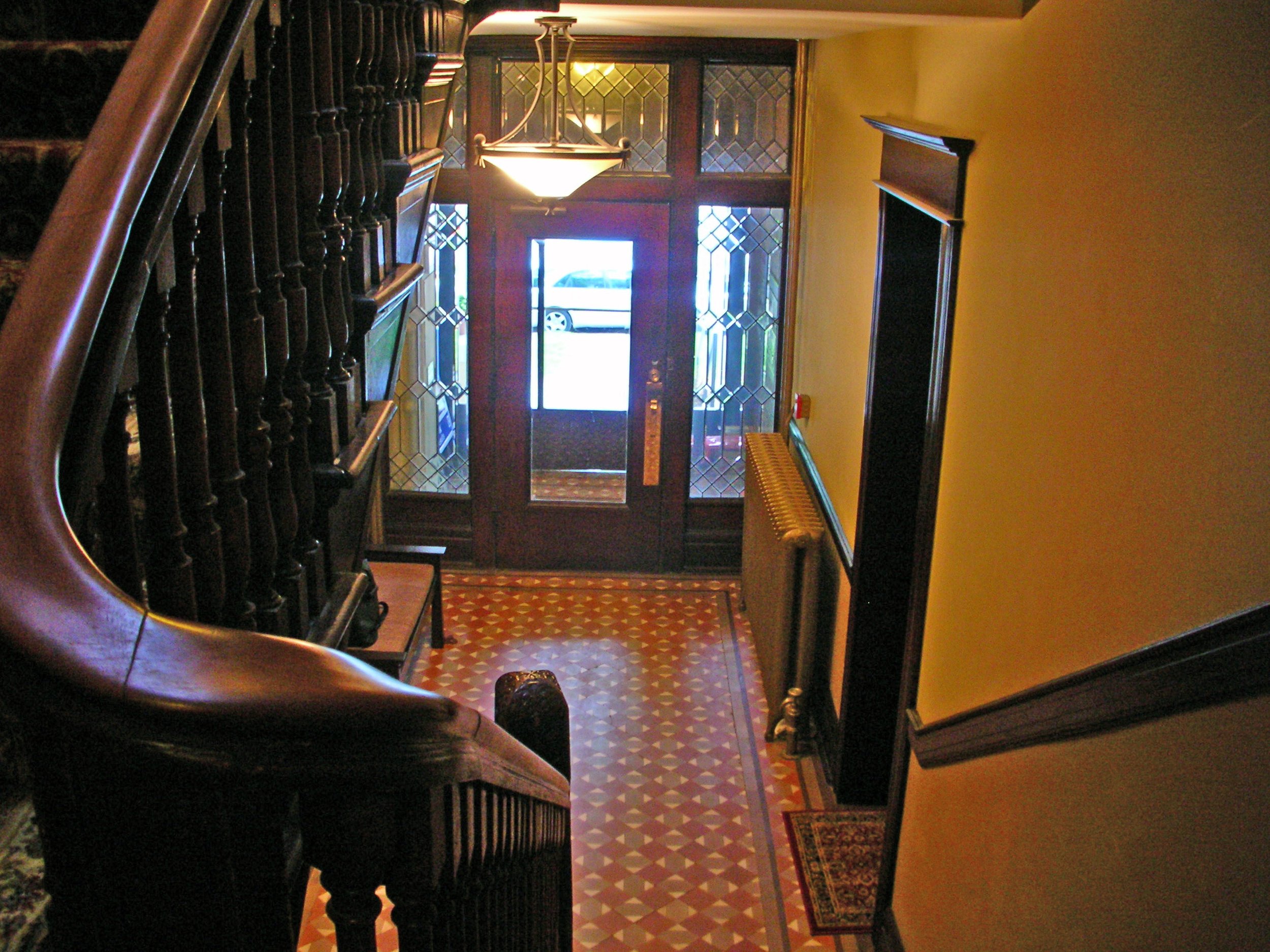
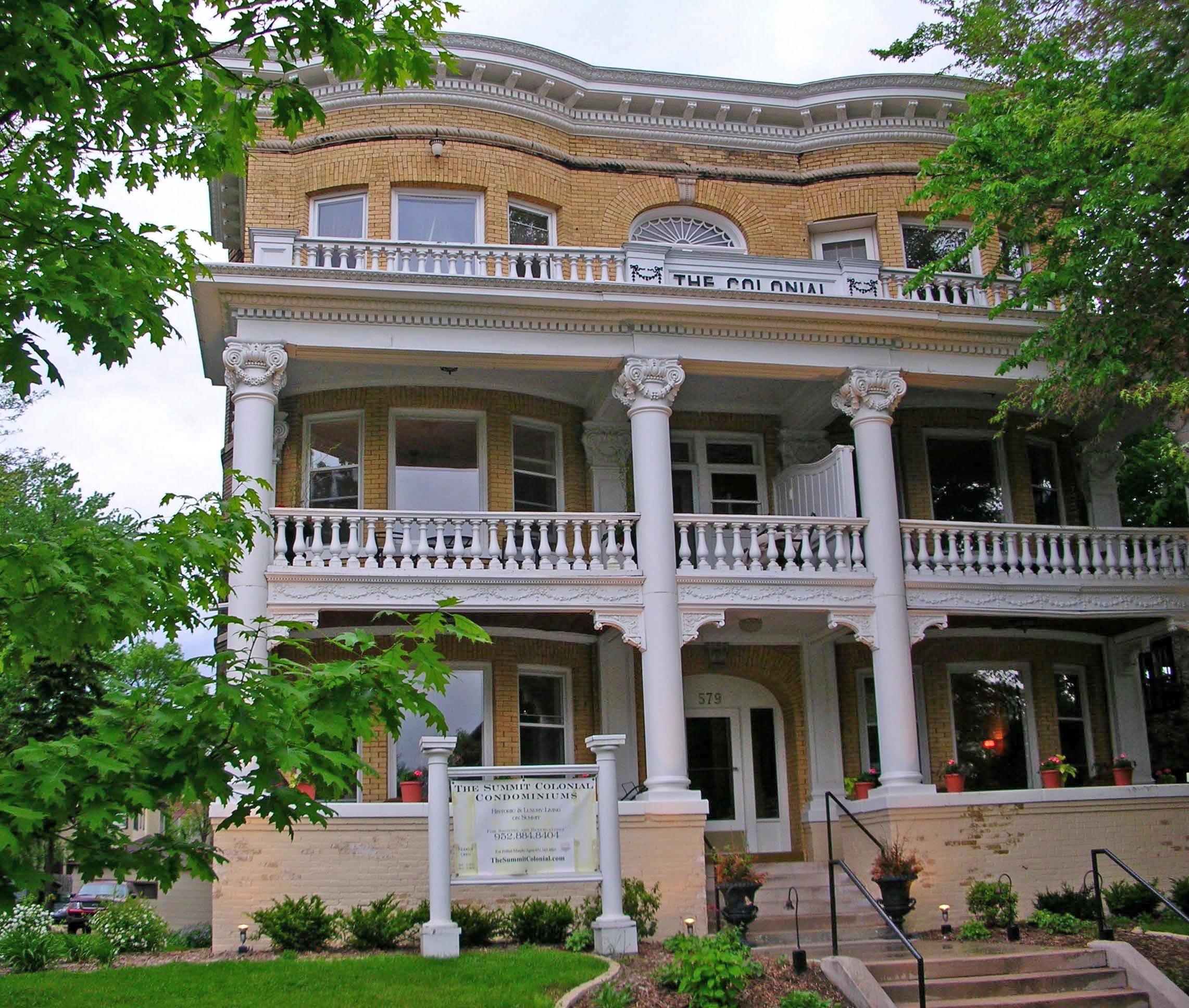
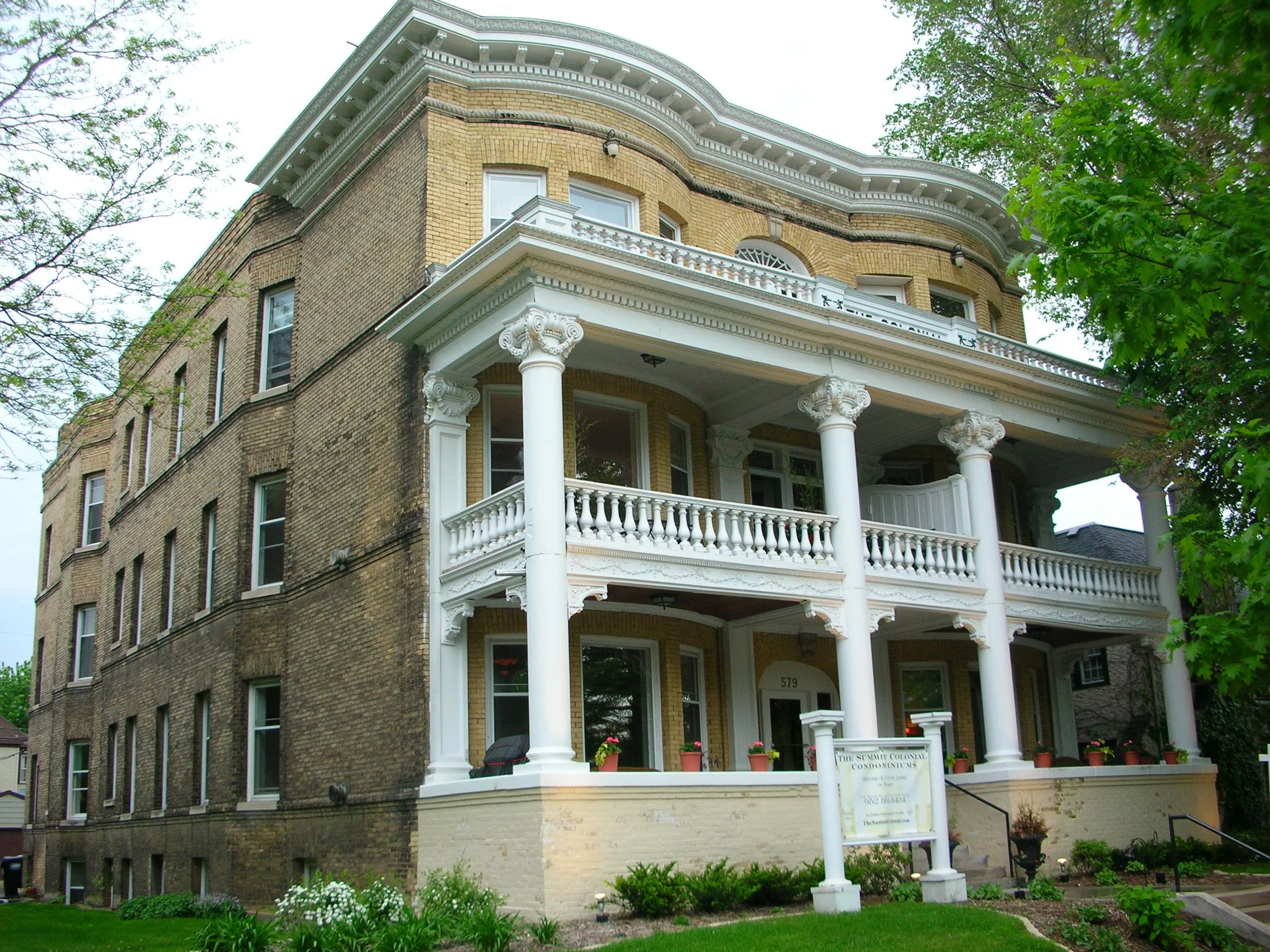
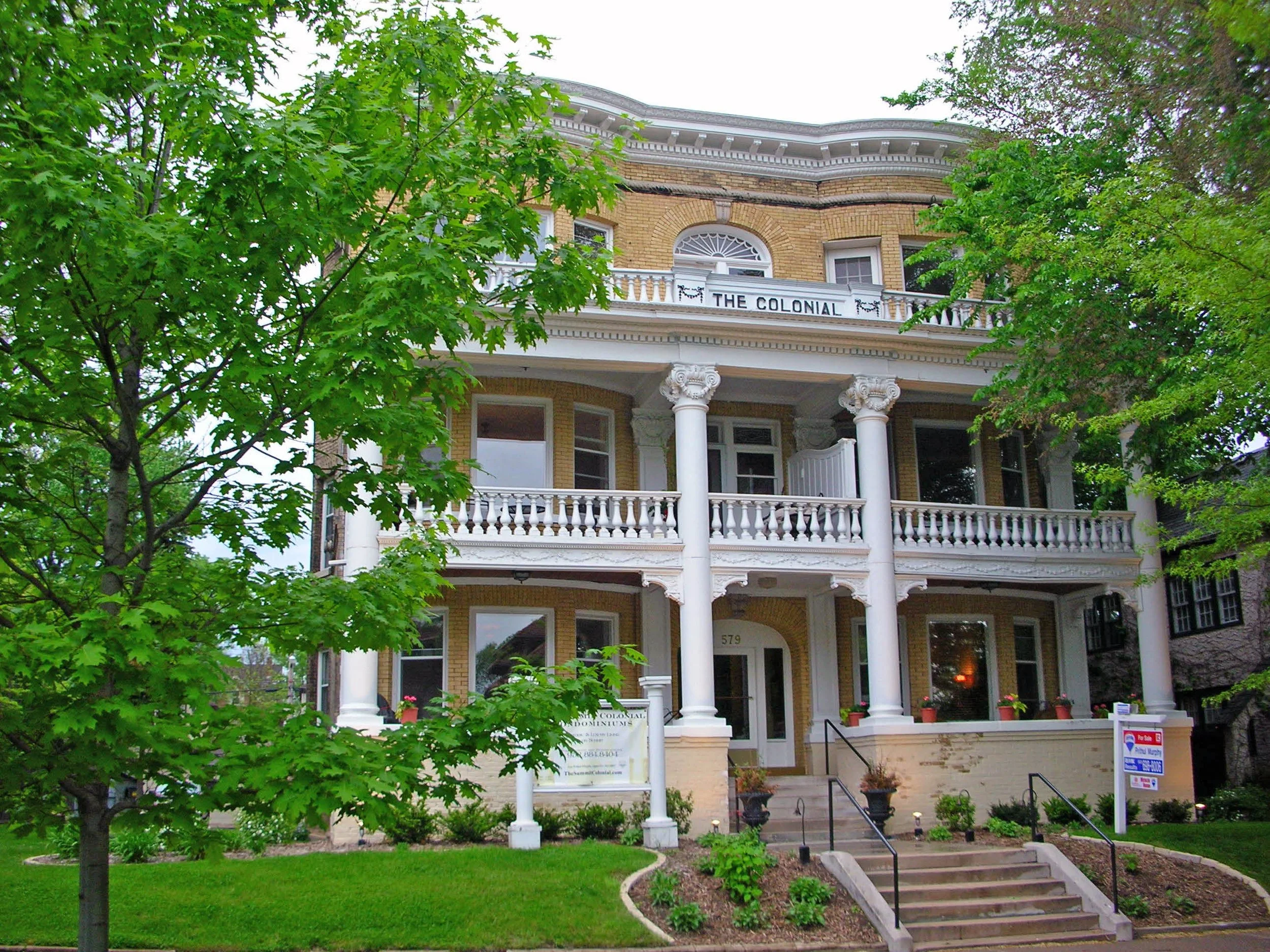
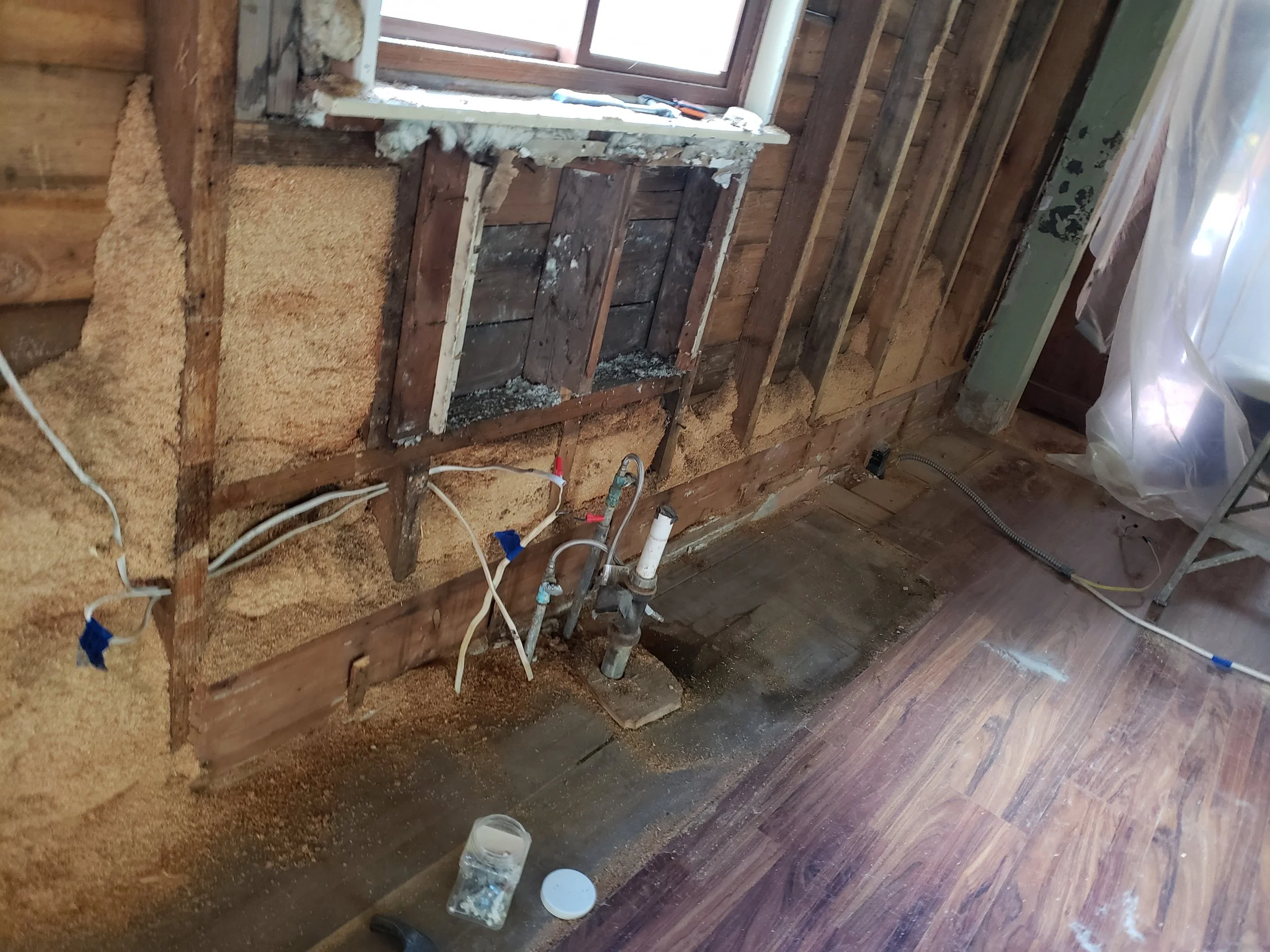
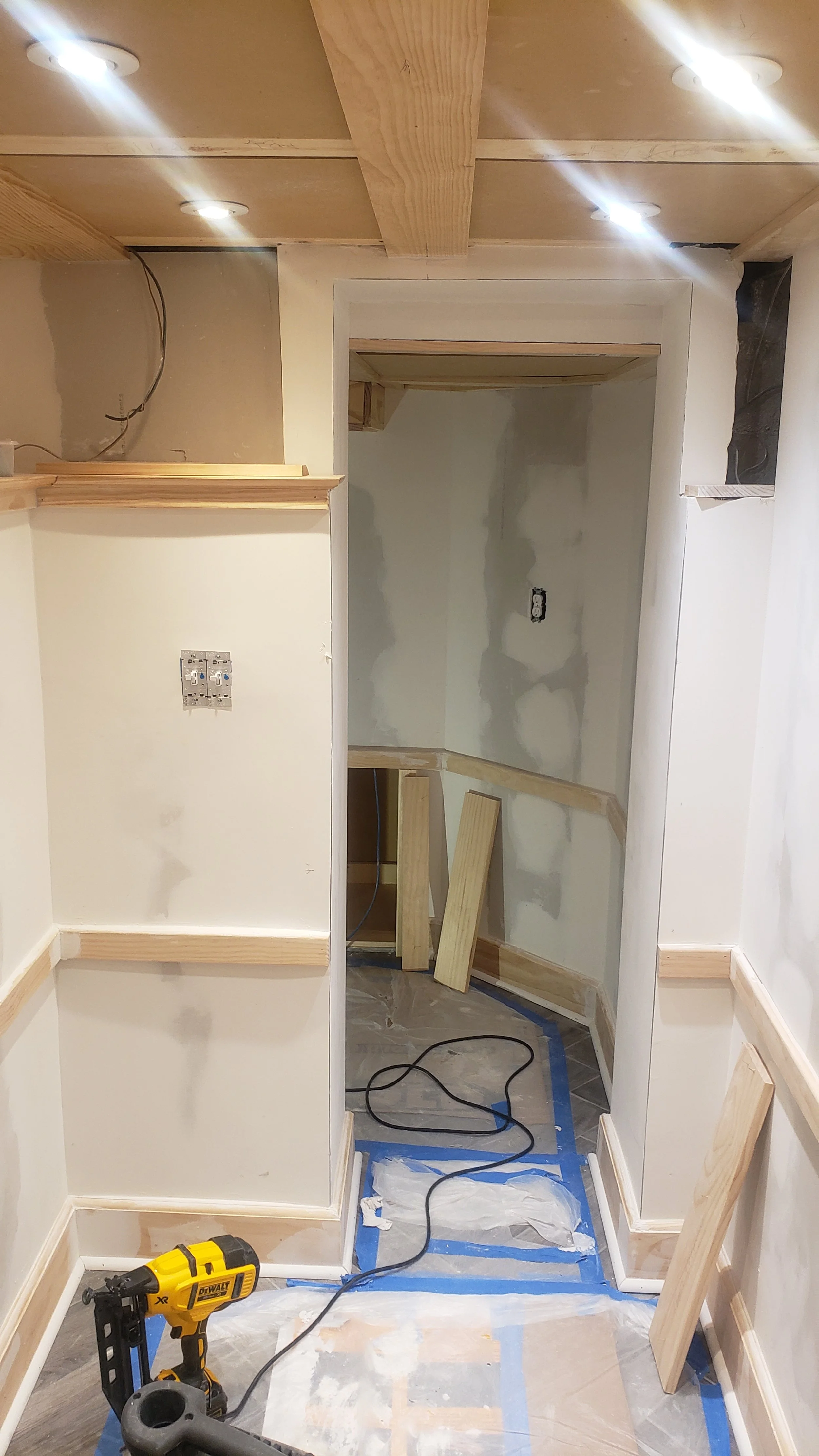
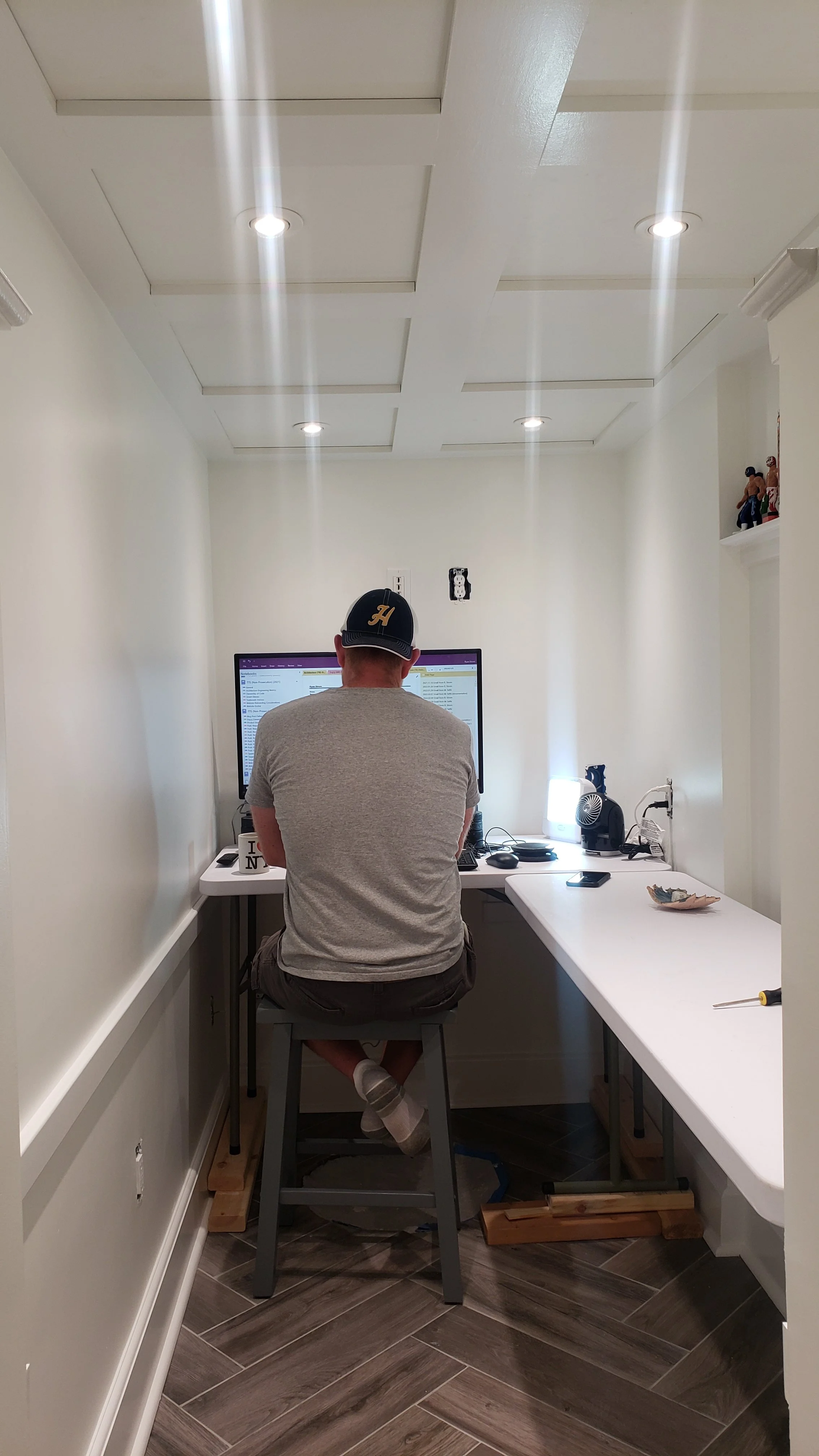
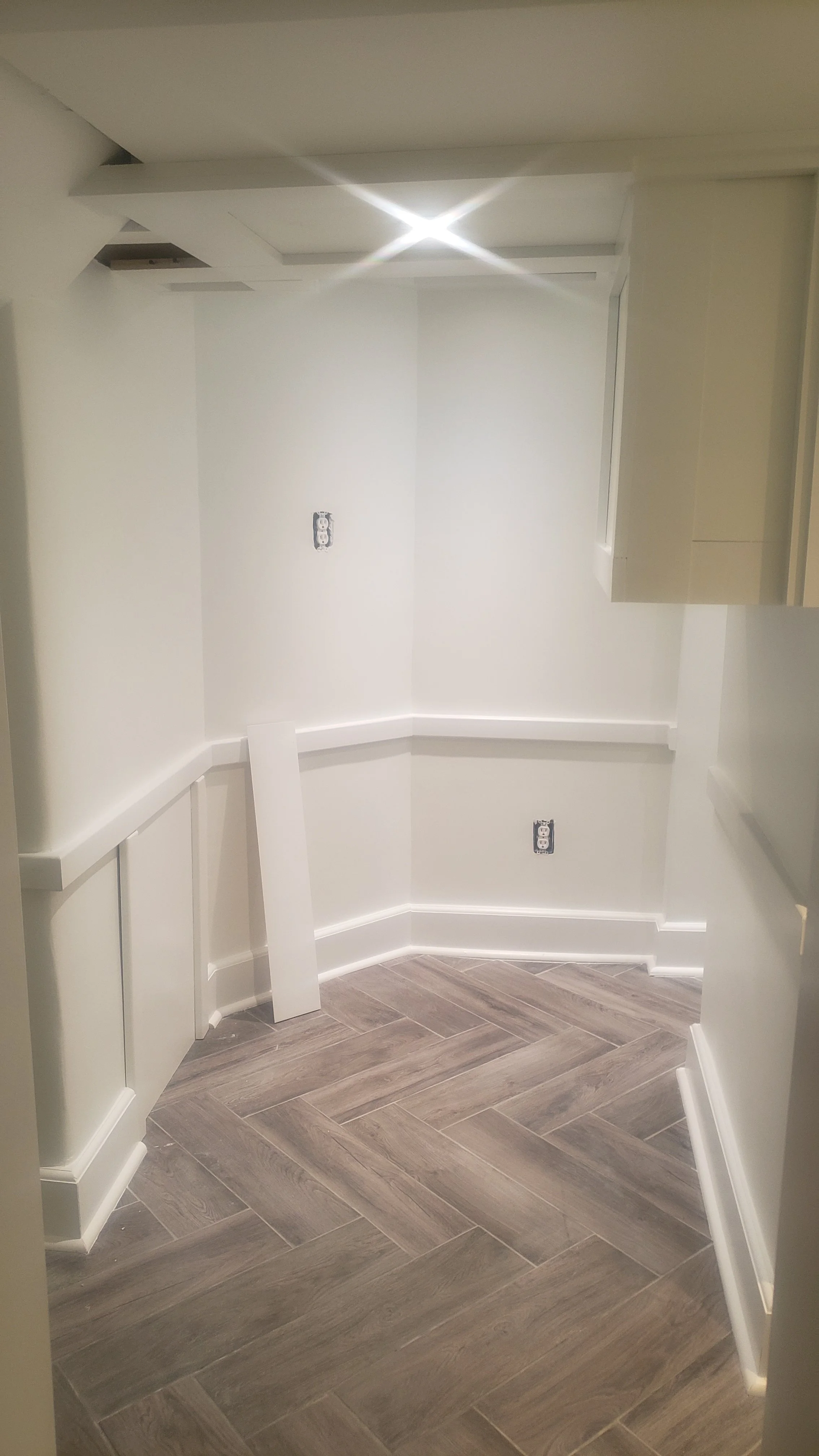
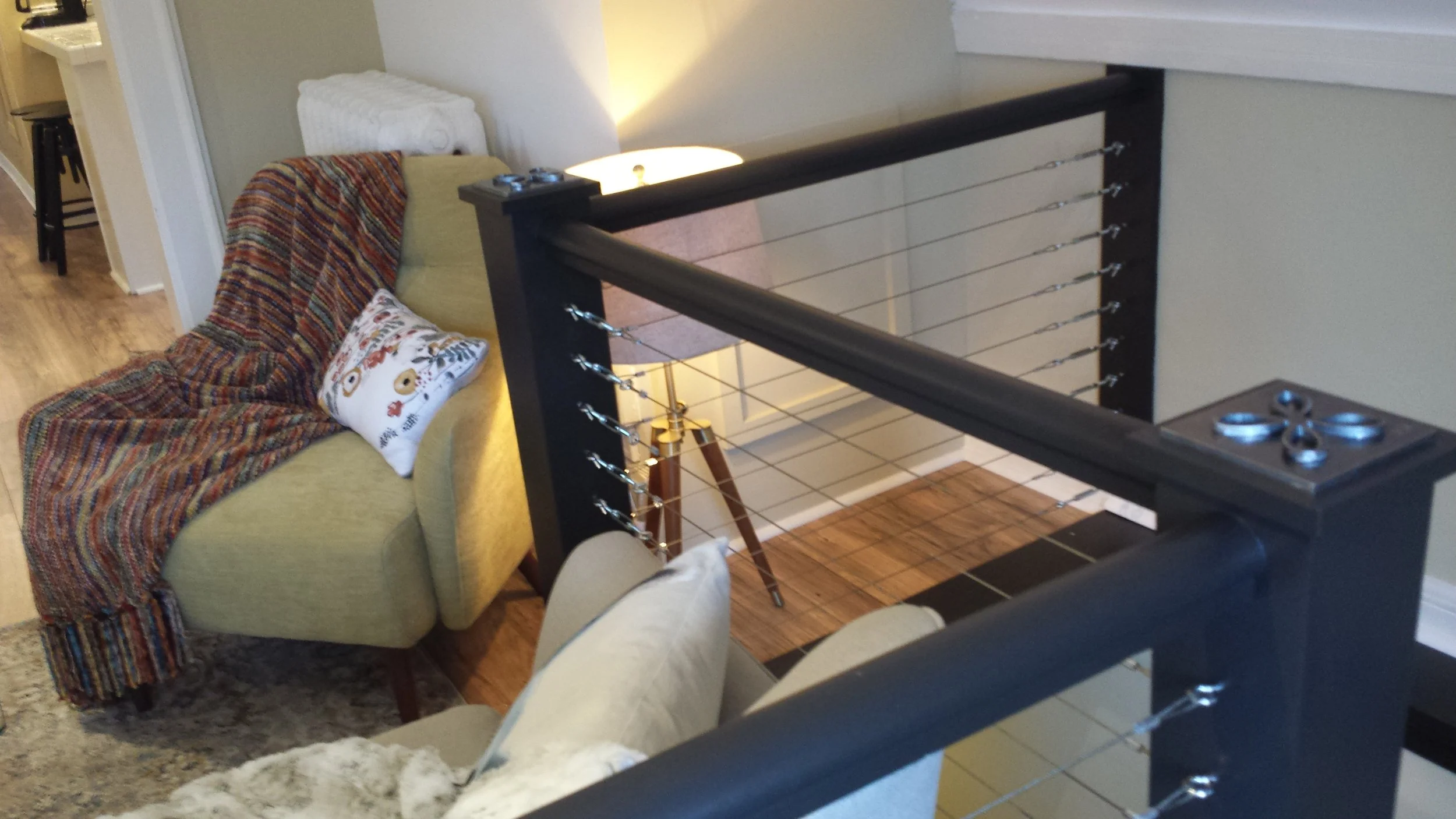
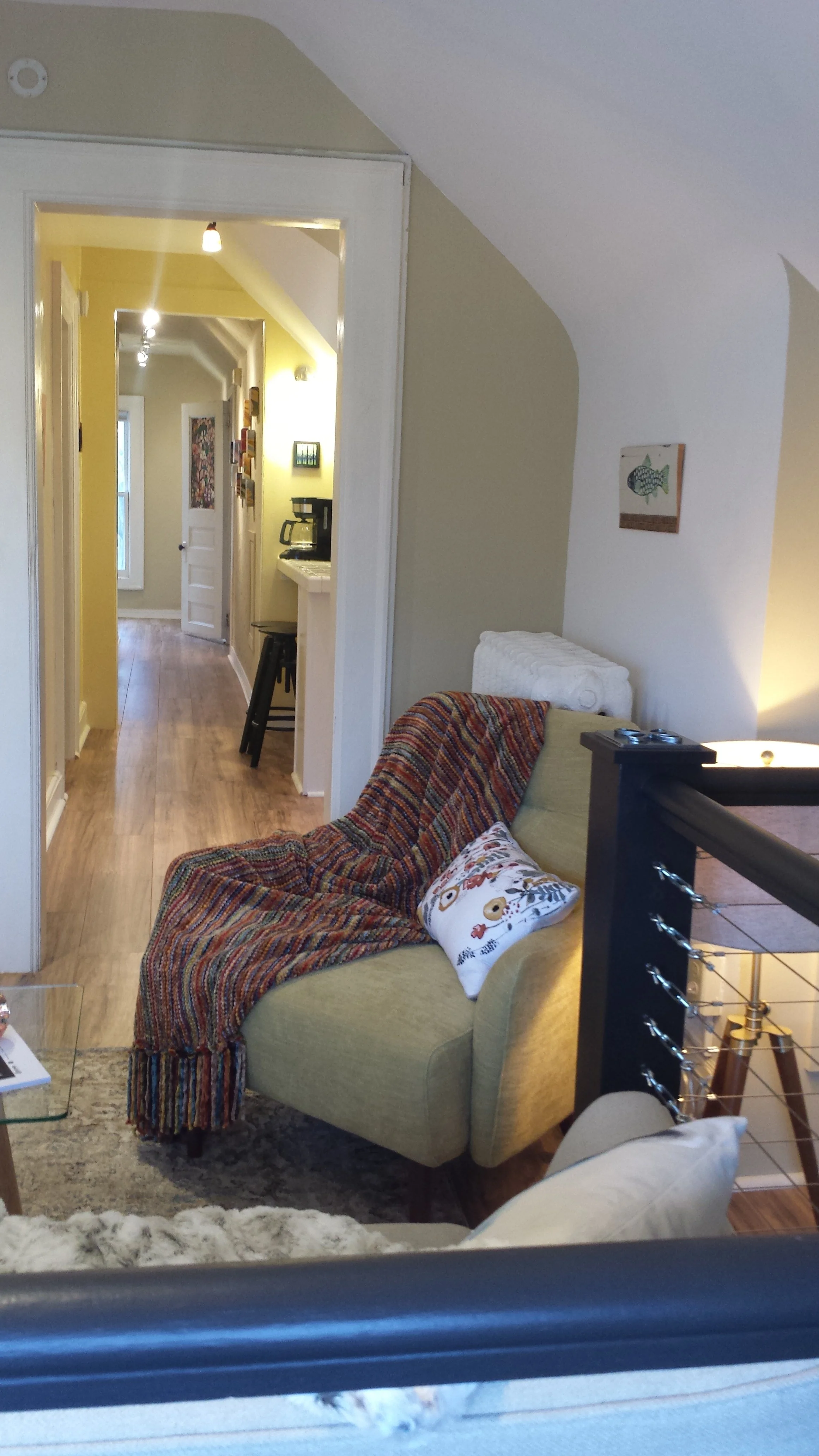
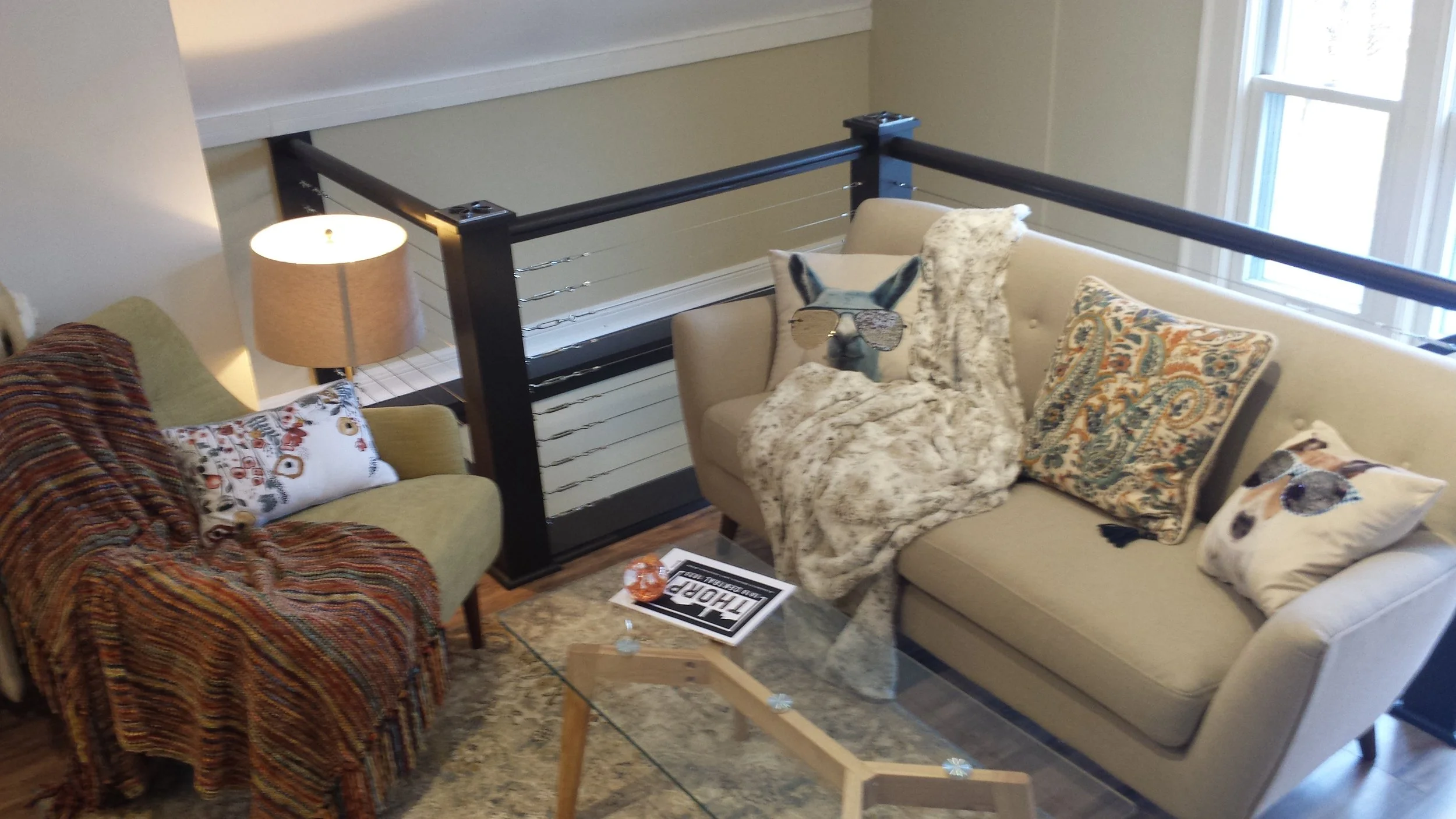
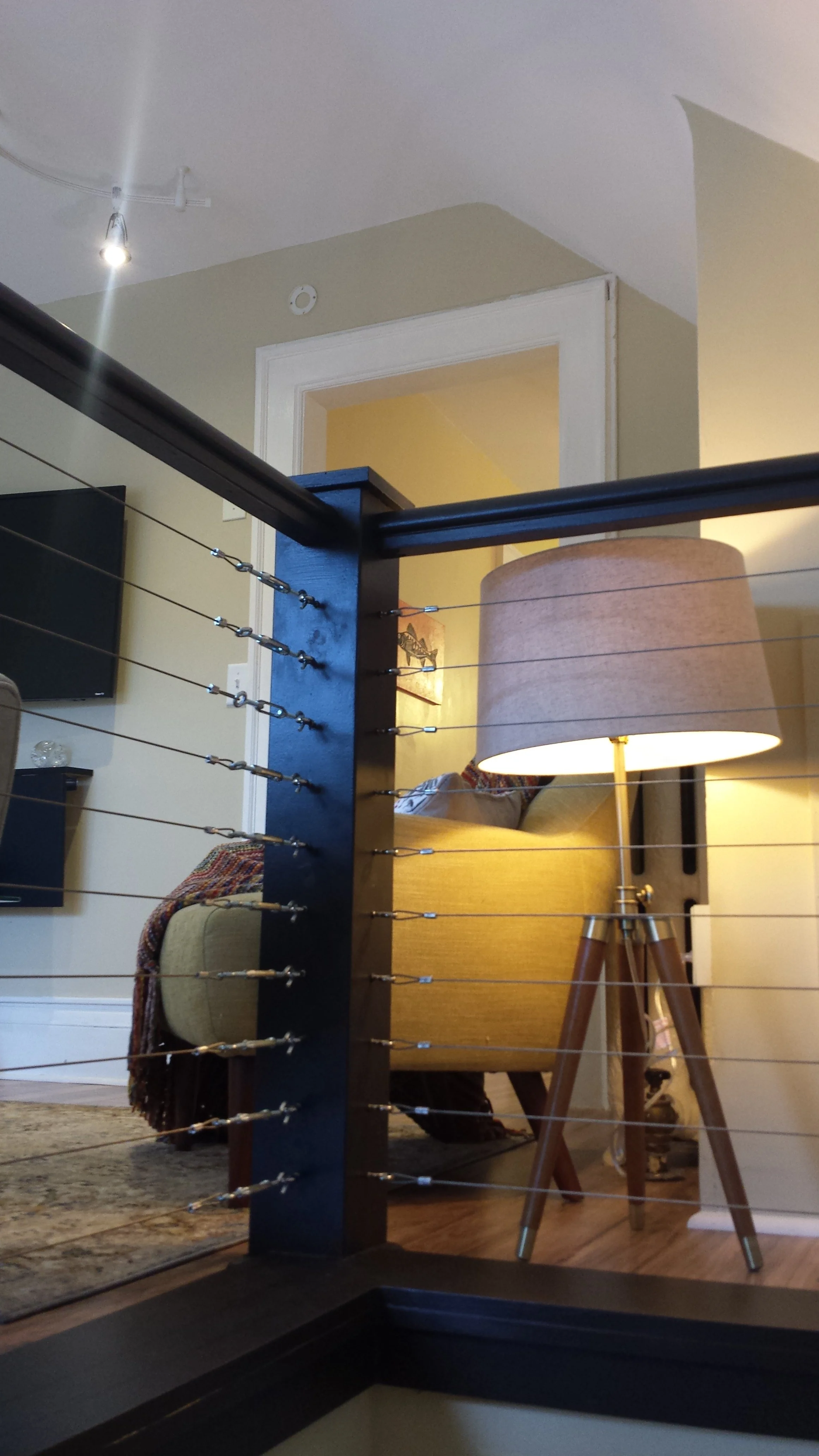
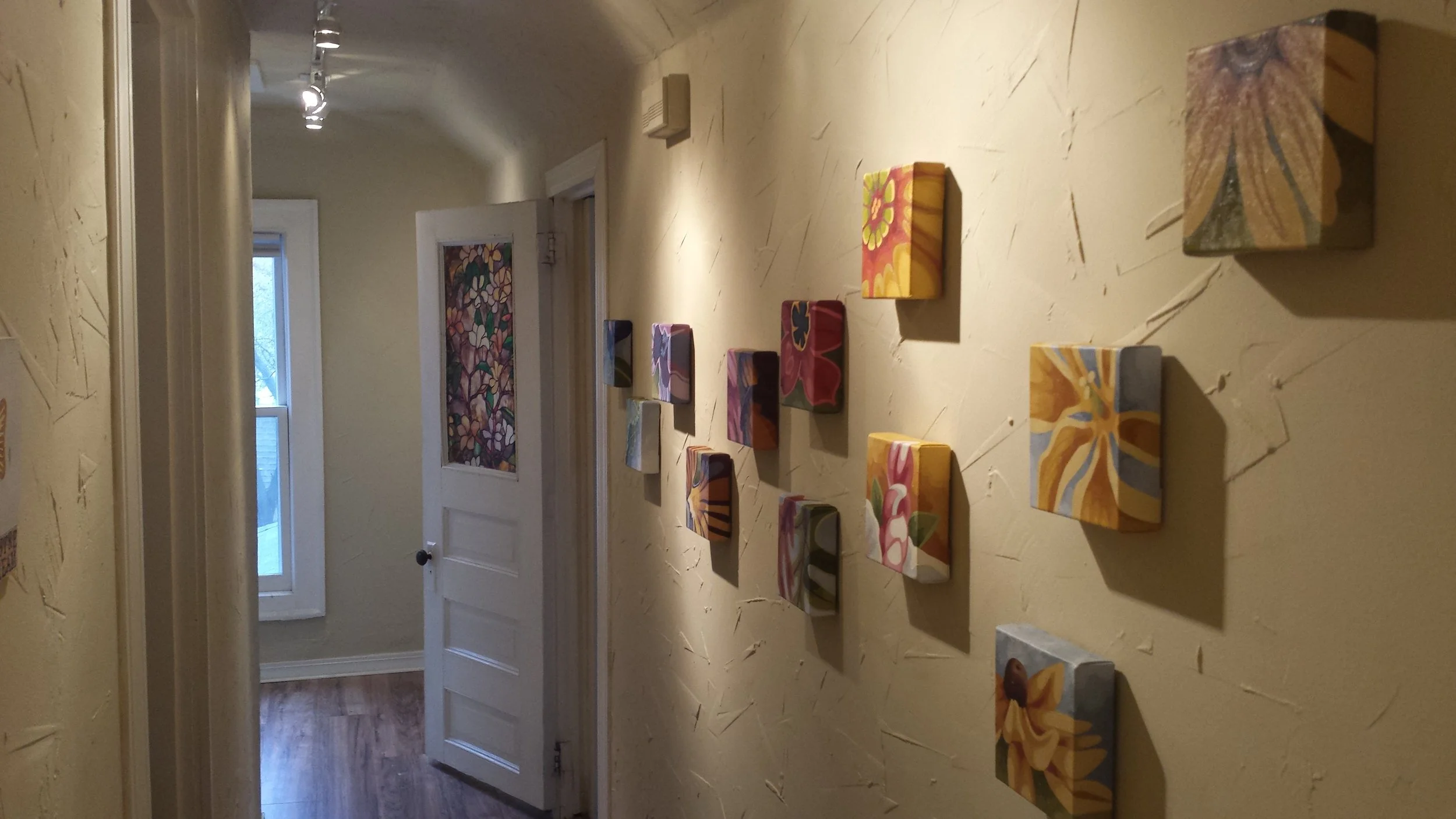
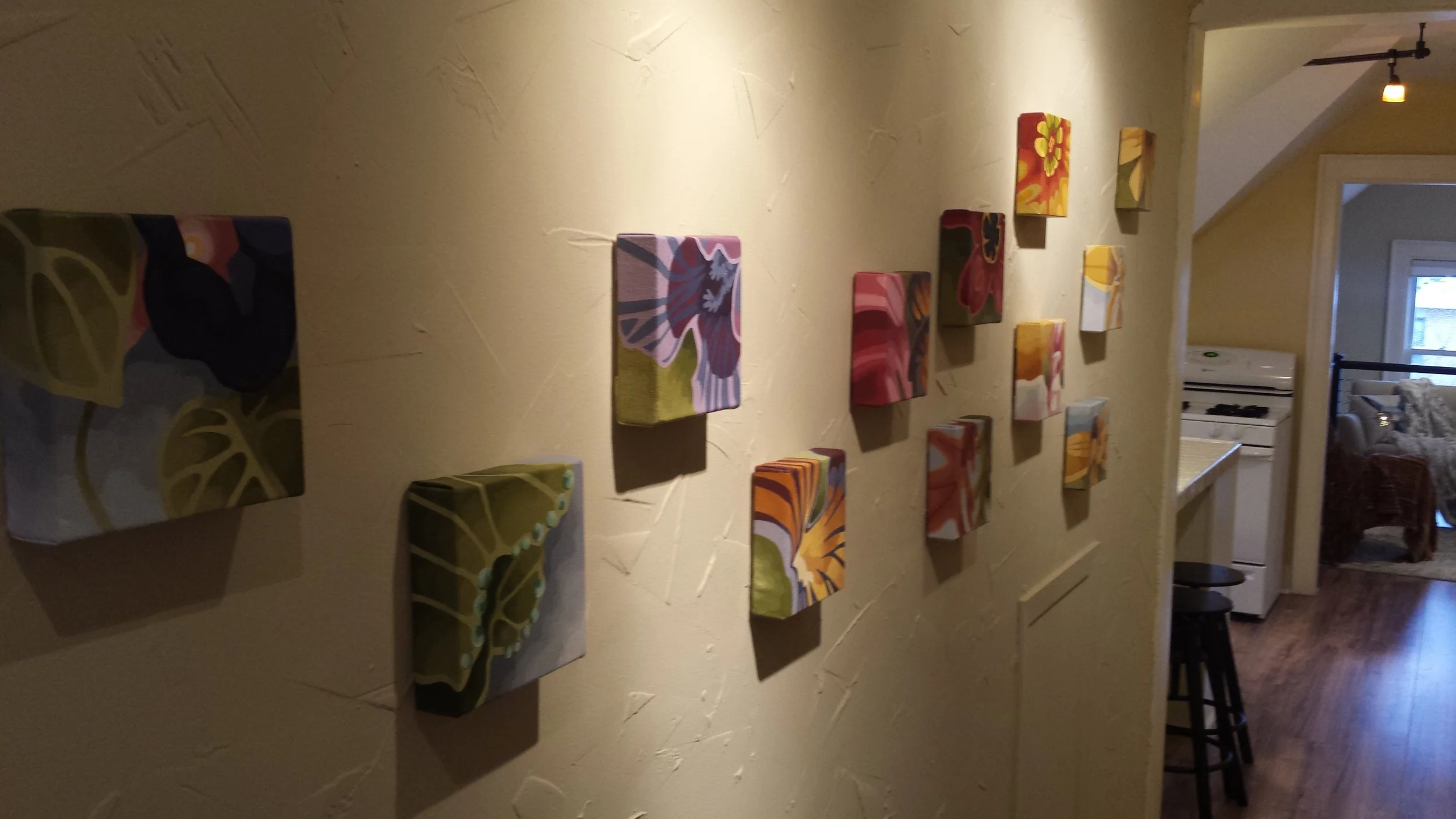
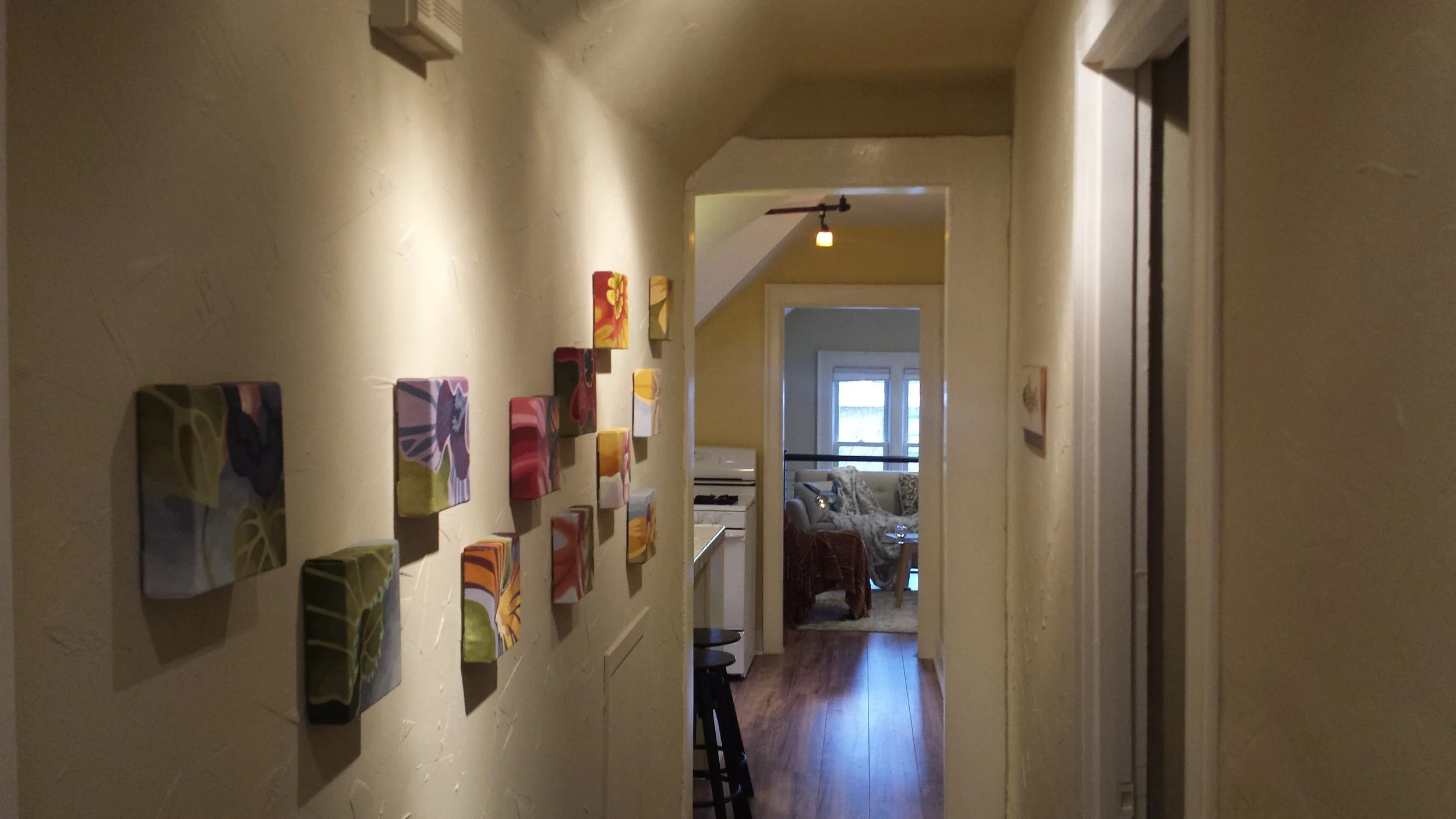
Working in a home that might be just 30 years old or like this one that is 131, there have been many repairs, work, unoriginal and tied together ideas into other good and bad work. With Everest, this is a challenge easily met with over 20 years experience.
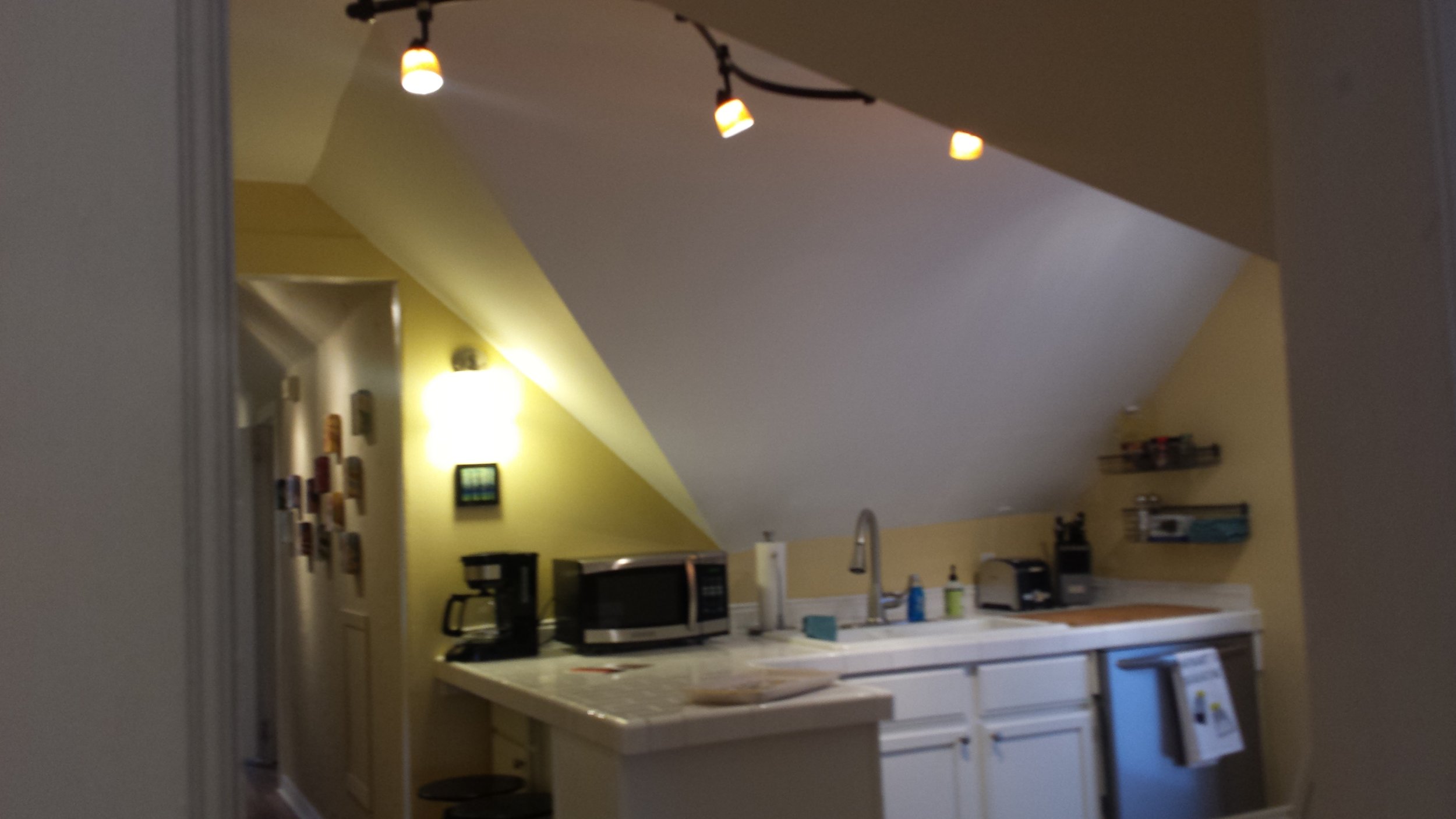
1887 Single Family, converted to duplex in late 40’s and eventually condemned. Redesigned, gutted and restored by Everest.
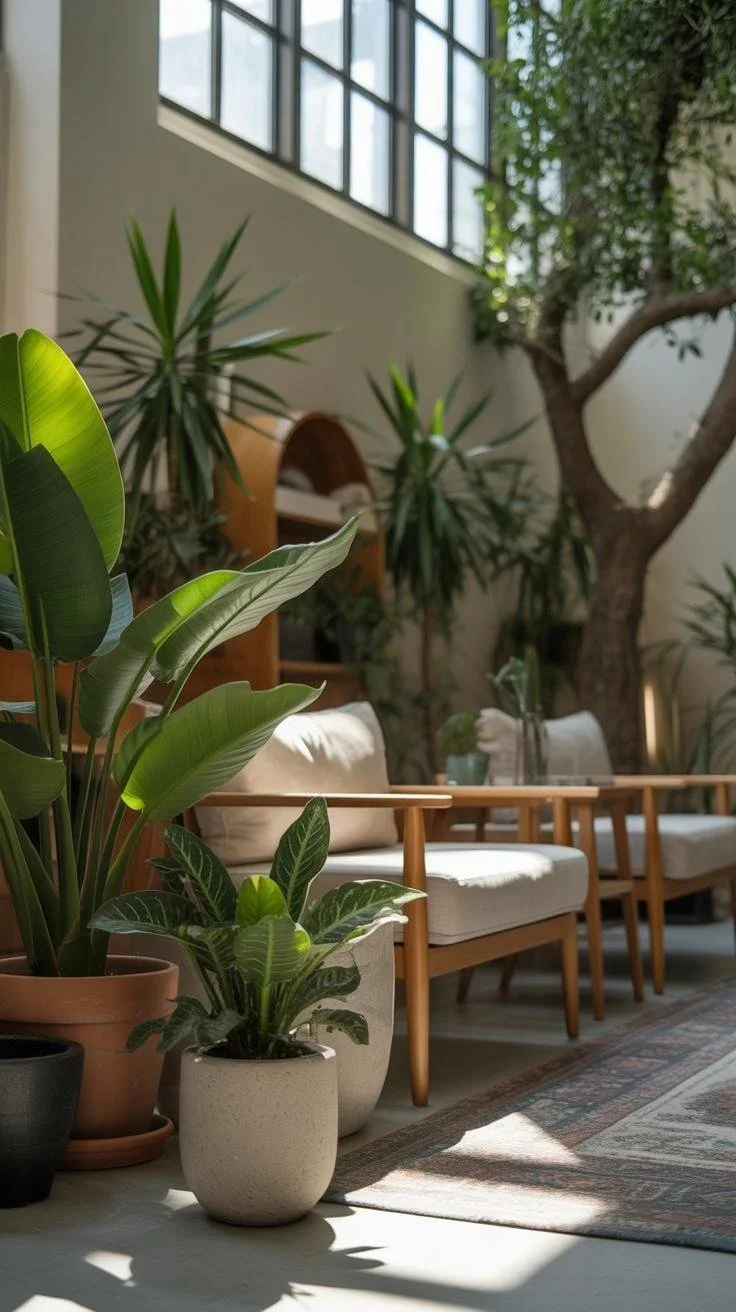
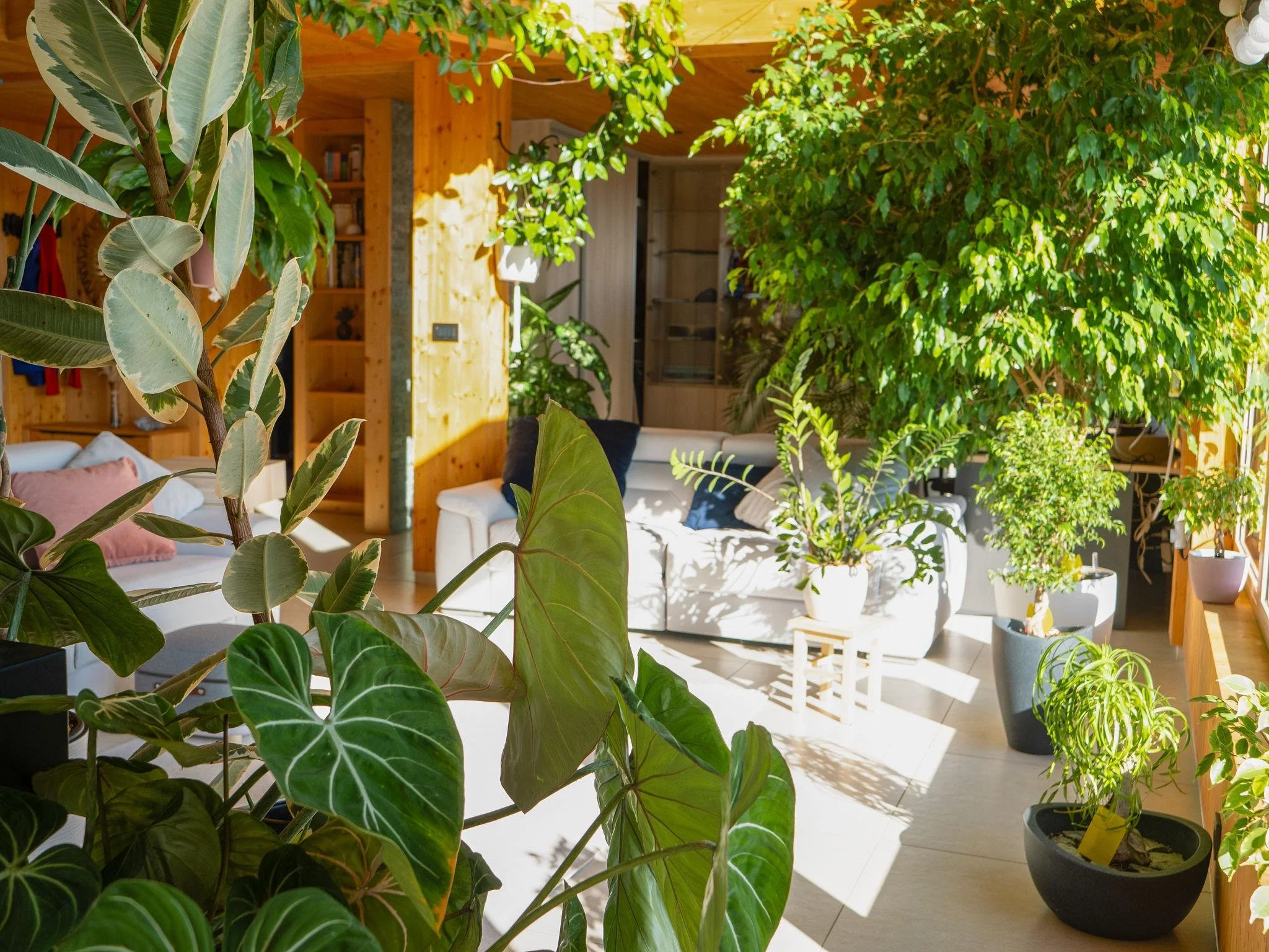
Sustainable food and plants in the home provide some of the healthiest choices for meals and plants filter air and have many medicinal values. The design of living plants provide beauty.
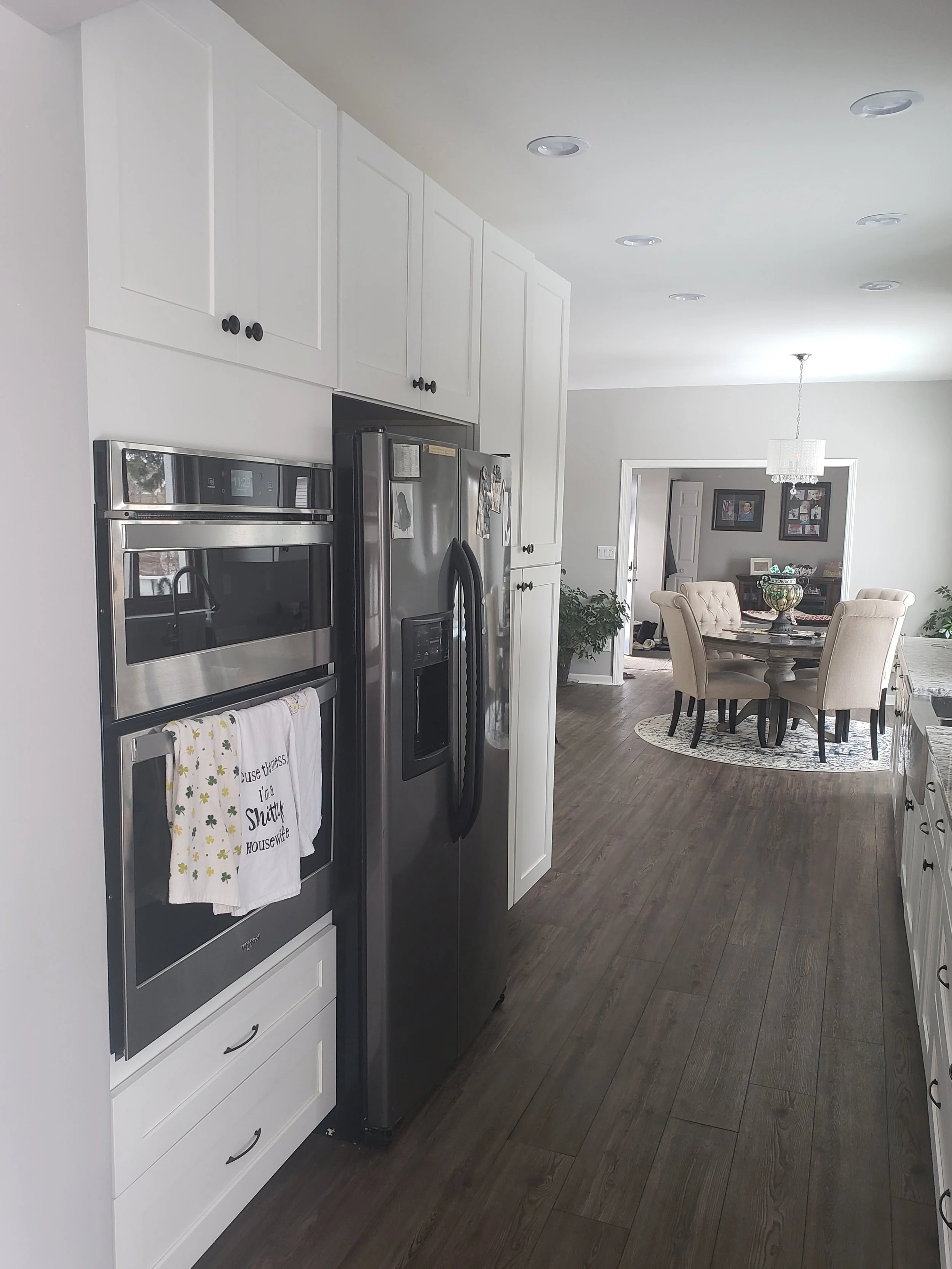
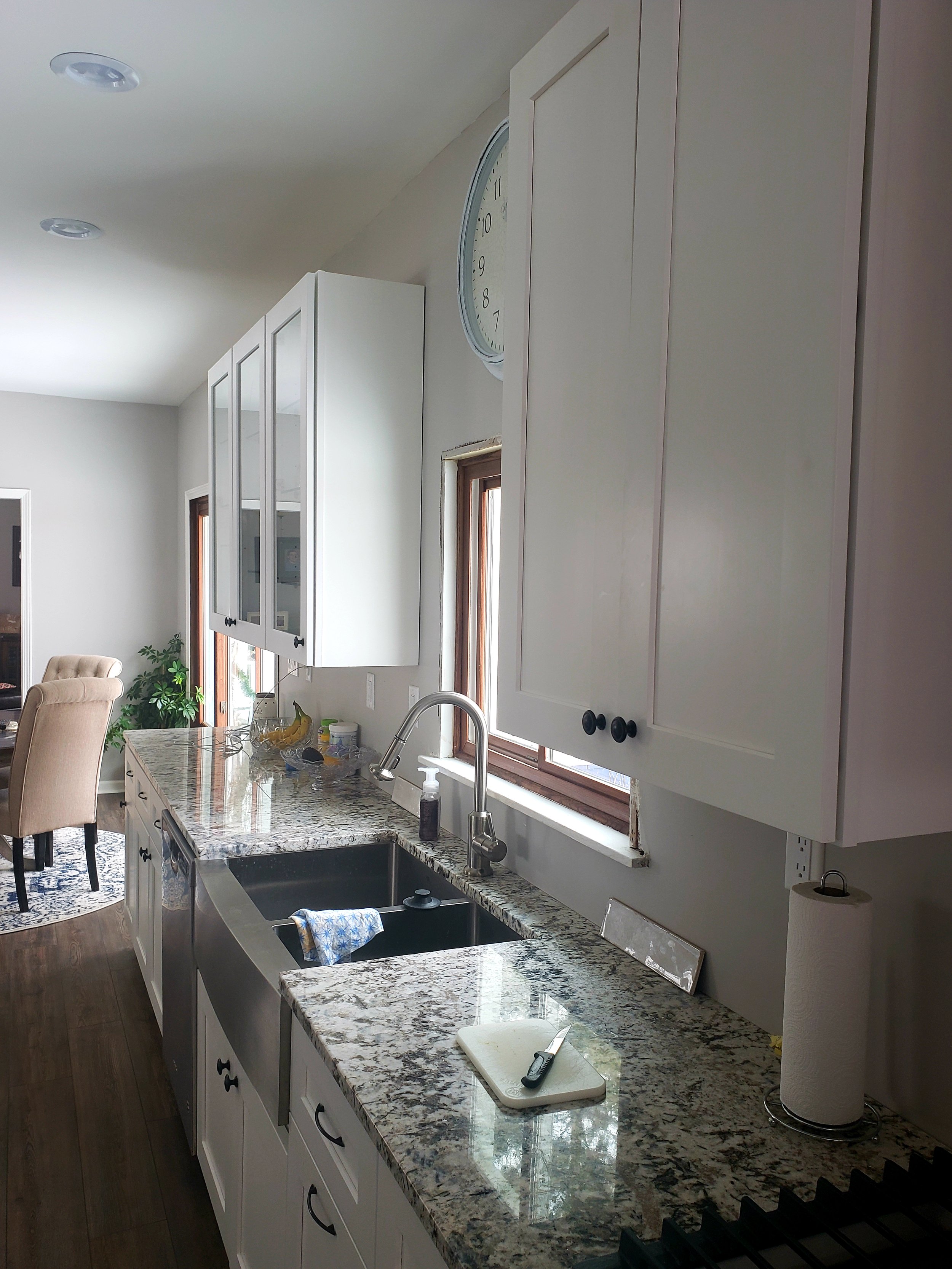
1867 Kitchen and home remodel Maple Cabinets